

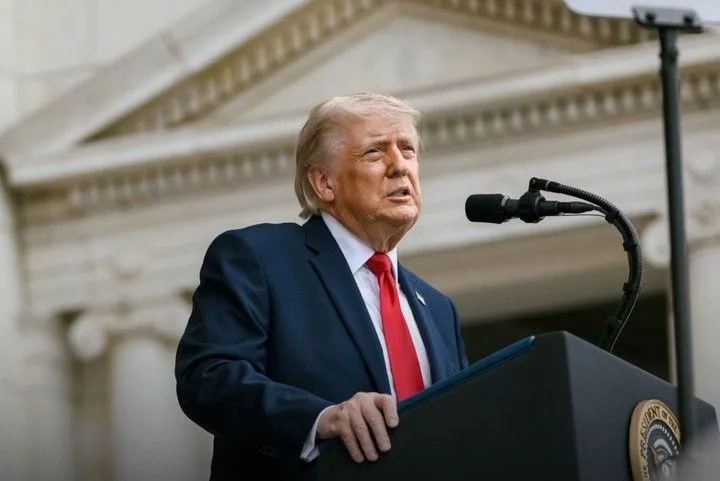
Several of America’s largest corporations and financial institutions have publicly supported President Donald Trump’s newly unveiled Trump Accounts program, pledging substantial funds to foster wealth creation among future generations. The initiative, launched at a White House event, aims to provide investment accounts for children, encouraging financial literacy and broad-based participation in capital markets.
Among the headline commitments, Michael and Susan Dell pledged $6.25 billion to finance accounts for millions of eligible children born before the program’s start. Additionally, Micron Technology announced a $250 million contribution, while Brad Gerstner of Altimeter Capital indicated that more corporations and philanthropists are expected to back the initiative in the coming months. President Trump also highlighted the involvement of companies integrating the program into employee benefits, including Uber, Wells Fargo, Goldman Sachs, Visa, Robinhood, Mastercard, Intel, IBM, AMD, Rusk Industries, and Steak ’n Shake.

The Treasury Secretary described the scheme as a way to expand stock ownership across American families. Currently, a significant portion of households lack exposure to equity markets, but through Trump Accounts, the government intends to create an “ownership economy” where all citizens hold shares and benefit from economic growth. This initiative is designed not only to build wealth but also to educate children on managing their finances by watching their investments grow over time.
Wall Street leaders echoed this vision. Nasdaq’s Chair and CEO Adena Friedman emphasized that the program connects young Americans directly with the nation’s capital markets, enabling them to share in the country’s economic prosperity. New York Stock Exchange President Lynn Martin framed it as a clear expression of the American dream, while ICE Chairman Jeff Sprecher noted that it broadens access to equity markets for ordinary Americans. Brad Gerstner underlined the long-term scope, envisioning a future where all 70 million children under 18 in the US can benefit from this new savings vehicle integrated with the broader financial system.