

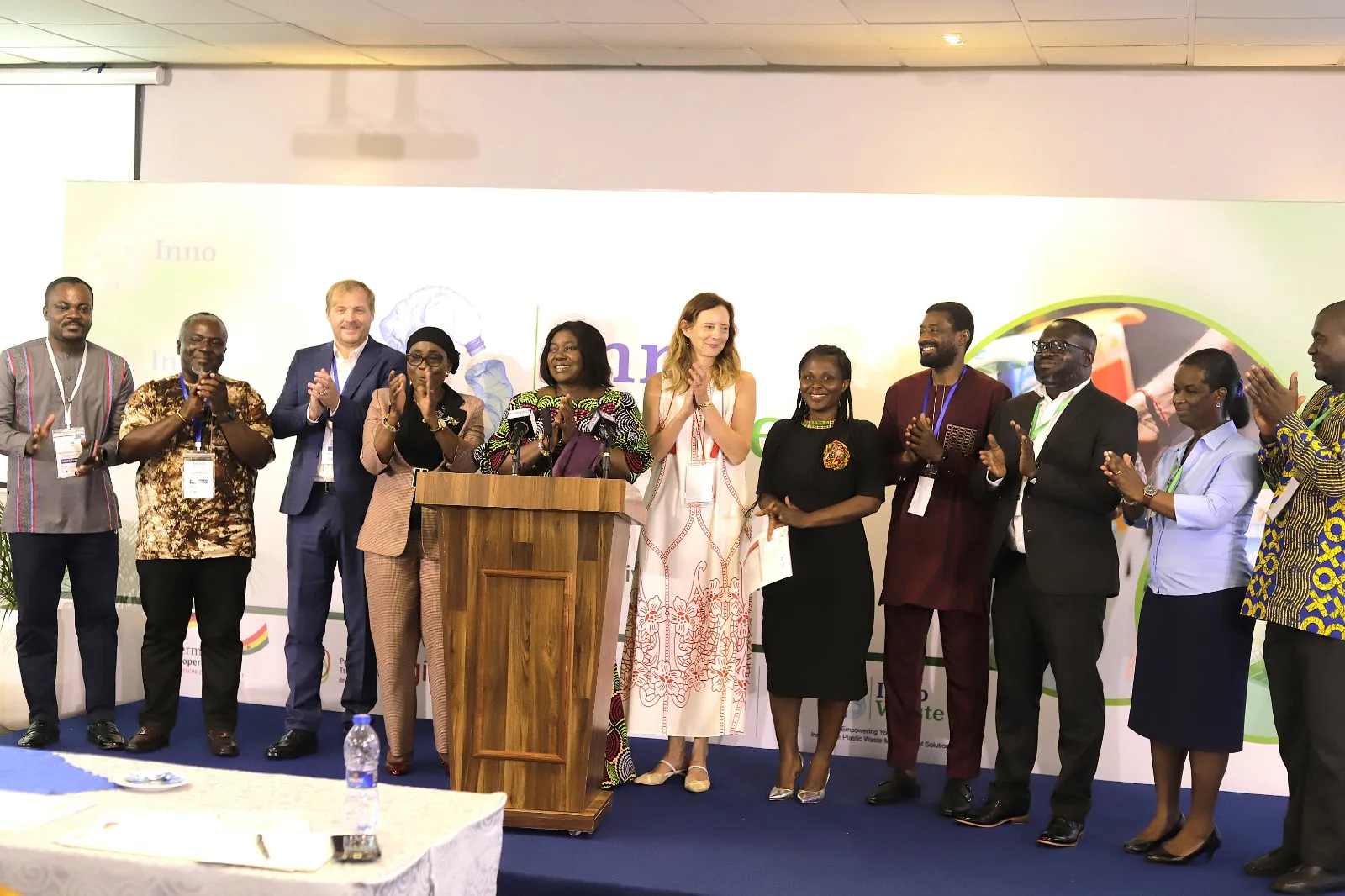
The InnoWaste Project, a collaborative effort between the German development agency GIZ, Zoomlion Ghana Limited, and Blue Skies, has officially started with the goal of converting plastic waste into economic opportunities in Ghana. This initiative, co-funded through the develoPPP programme, aligns with Ghana’s strategic shift towards a circular economy, aiming to integrate environmental sustainability with social and economic development.
Designed to improve conditions in the plastic waste management sector, the project emphasizes empowering women and young people by unlocking innovative business opportunities. It plans to generate around 600 jobs, ensuring that at least 30 percent are reserved for women and 60 percent for youth, while enhancing the livelihoods of thousands involved along the plastic waste value chain. The initiative runs until 2028 and seeks to boost recycling plant outputs, improve incomes, and upgrade working conditions for over 3,600 participants.

The project kicked off with a public launch event in Accra under the theme “From Waste to Wealth: Driving a Circular Future.” Organizers outlined a multi-faceted approach, including large-scale public education campaigns targeting schools, communities, and local leaders to foster lasting behavioral change on plastic waste management. Training teachers and community influencers is a key strategy, aiming to embed awareness and responsibility among younger generations.
Incentive programs will also be rolled out, such as linking plastic waste collection to access to clean water by building boreholes in selected schools and communities. Additionally, the project will develop pilot recycling curricula for schools and run media campaigns to amplify the message nationwide.
Beyond social impact, the initiative also serves the operational interests of the private partners involved. By improving recycling efficiency and lowering operational costs, Zoomlion and Blue Skies expect enhanced business performance aligned with environmental goals. The collaboration represents a model where sustainable development meets market incentives.
- Increase plastics processed at recycling facilities
- Create 600 new jobs, with a focus on women and youth
- Improve working conditions for over 3,600 people in the sector
- Raise incomes for at least 365 individuals engaged in plastic waste management
- Conduct nationwide education and behavior change campaigns
- Build boreholes to reward plastic waste collection with access to water
- Develop pilot recycling curricula for schools