

Porsche reported a significant drop in vehicle deliveries during the first half of 2026, with global sales falling 16% to 122,306 units. The steepest decline came from China, where deliveries tumbled by nearly a third, highlighting a contraction in the luxury market there. Meanwhile, U.S. demand also weakened following the expiration of electric-vehicle and hybrid tax credits, affecting the brand’s key North American market.
North America remains Porsche’s largest region, but the loss of government incentives for clean energy vehicles has curtailed demand for electric models, diminishing a vital cushion that had previously offset slumping sales in China. In addition to these external factors, Porsche’s model lineup influenced the results: the discontinuation of the combustion-engine 718 and strong sales of the all-electric Macan during the previous year complicate direct year-over-year comparisons.

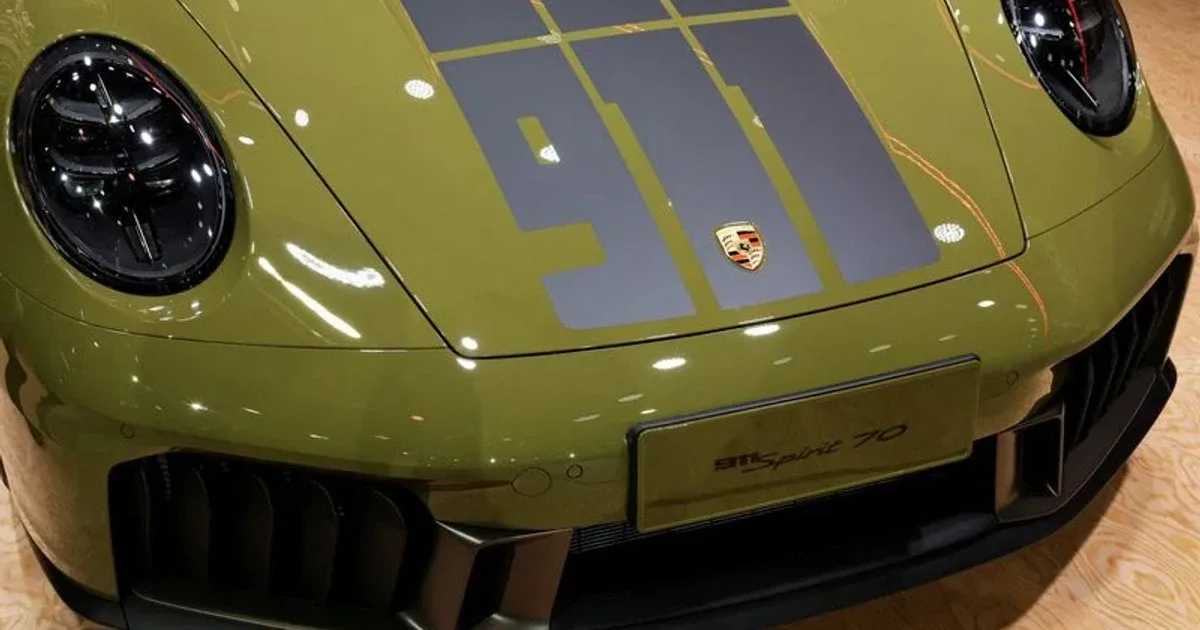
Despite the overall downturn, Porsche’s 911 model strengthened, with deliveries rising 19%, while the Cayenne maintained its position as the brand’s best-seller, with more than 38,000 units delivered. However, these gains proved insufficient to counterbalance broader market pressures.
Porsche also confronted rising challenges in Europe, recording nearly 45,000 deliveries across Germany and the rest of the continent, yet these figures were overshadowed by the significant setbacks in China and the United States. The dual impact of a cooling Chinese luxury auto market and shifting U.S. policy for electric vehicles underscores vulnerability even among high-end manufacturers.
The automaker had already adjusted its expectations in 2025, citing weak sales in China, increased supply chain costs, and U.S. tariffs, which led to workforce reductions. Reports indicated further job cuts might be considered amid the tougher conditions, although no new announcements have been made. Porsche now faces a more complex landscape as it navigates limited regulatory support and heightened competitive pressures globally.