

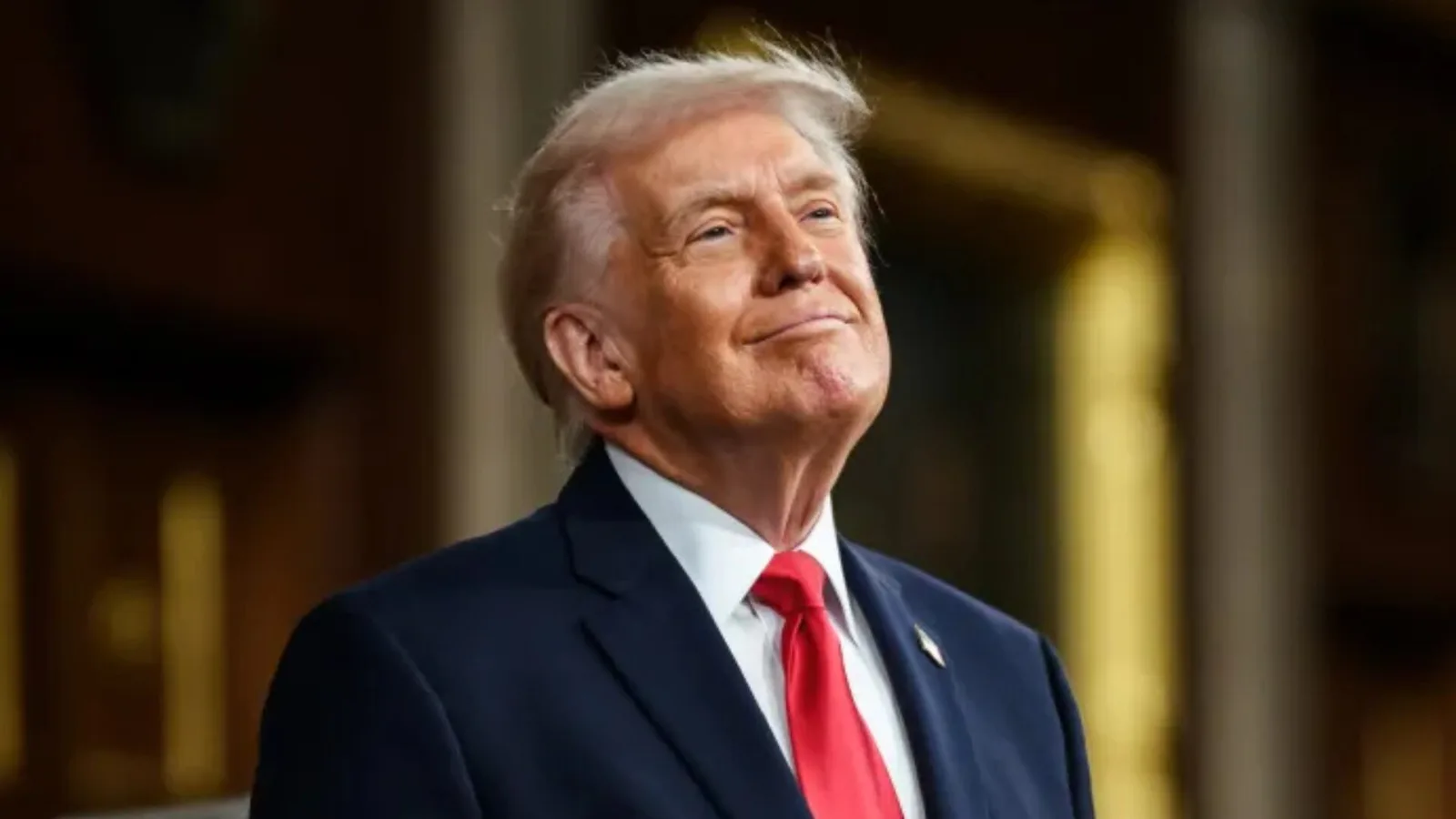
President Donald Trump announced a significant achievement in economic diplomacy following discussions with Chinese President Xi Jinping, securing an agreement for China to purchase 200 Boeing aircraft. The deal signals a substantial boost to American manufacturing and promises to create thousands of jobs in the aerospace sector.
During an interview after the Beijing summit, Trump said the order exceeded Boeing’s original target of 150 jets, underscoring the scale of the agreement as a sign of successful negotiations. Although the precise terms remain undisclosed, the announcement immediately impacted the aviation industry and reassured stakeholders about U.S.-China trade relations.

The aircraft deal came as part of a broader delegation that included top U.S. business leaders such as Boeing CEO Kelly Ortberg, Tesla and SpaceX founder Elon Musk, and Apple CEO Tim Cook. This marked Trump’s first visit to China since 2017 amid ongoing tensions related to trade, technology, and geopolitical issues.
Before the trip, Boeing’s leadership characterized the discussions as a promising opportunity, despite recent challenges from competition and export restrictions. While earlier forecasts anticipated even larger Chinese orders of up to 500 Boeing 737 Max jets, the confirmed 200-plane deal remains a notable endorsement of Trump’s trade strategy aimed at prioritizing American industry.
The deal revives aspects of Trump’s previous engagements with China, which had included commitments to purchase hundreds of Boeing jets to support U.S. jobs and industry growth. Supporters view the new agreement as a decisive contrast to recent trade approaches characterized by protracted talks with fewer concrete outcomes.
With this deal, the U.S. aerospace sector takes a forward step under Trump’s leadership, reinforcing efforts to regain competitiveness in one of the world’s toughest markets and showcasing the administration’s focus on delivering tangible trade results for American workers.