

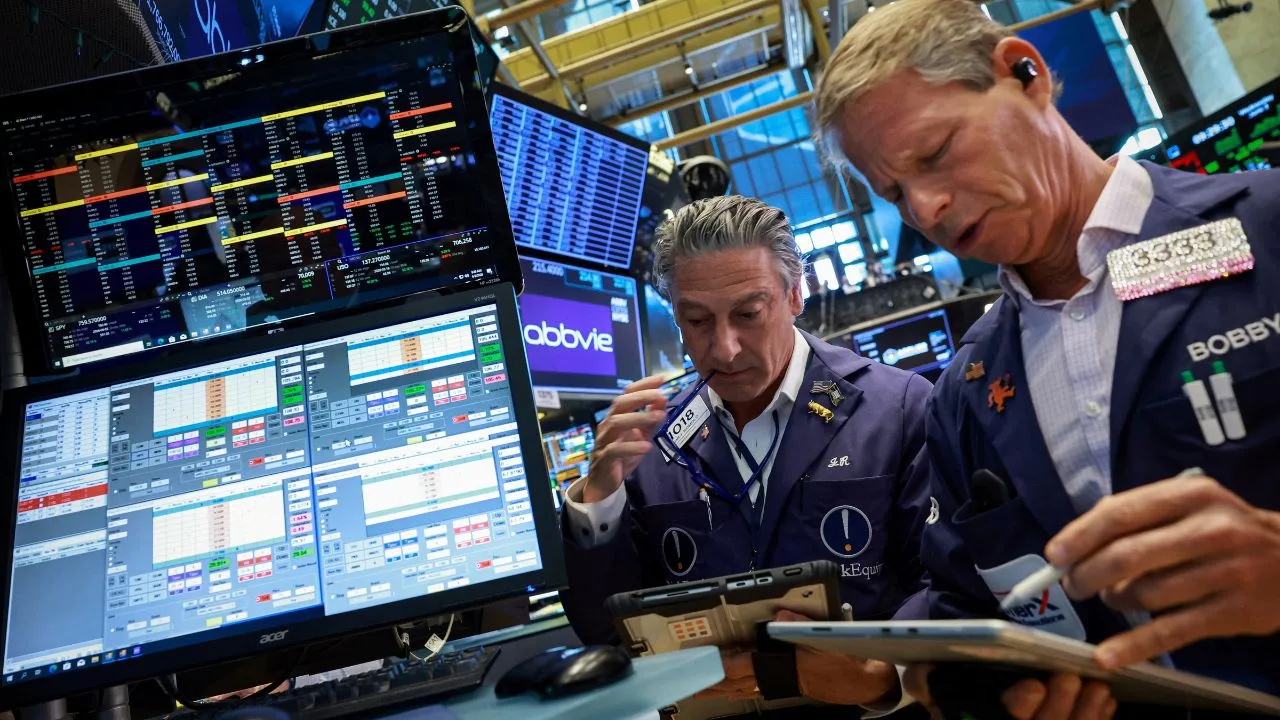
Wall Street closed sharply lower, snapping its nine-week winning streak, driven by a broad selloff in technology shares following stronger-than-expected U.S. job growth in May. The surge in payrolls increased expectations that the Federal Reserve will maintain or raise interest rates, dampening investor appetite for high-growth sectors, particularly semiconductor stocks.
The Nasdaq Composite Index recorded its largest single-day percentage decline since April 2025, dragged down by a sinking semiconductor sector. The Philadelphia SE Semiconductor Index experienced its worst daily drop since March 2020, wiping out over $1 trillion in market value. This wiped out weeks of gains made by chip manufacturers and other tech leaders that had fueled the recent market rally.

The robust jobs report, showing U.S. employers added 172,000 jobs—more than twice analyst projections—while unemployment remained steady at 4.3%, highlighted the economy’s strength but dimmed hopes for near-term interest rate cuts. This data point pressured markets as it pointed to the Fed’s continued hawkish stance amid concerns that inflationary pressures remain elevated.
The S&P 500 declined sharply, ending its longest weekly winning streak since December 2023. The Dow Jones Industrial Average also dropped, reflecting broad investor caution. Rising interest rates and geopolitical tensions, notably the ongoing conflict in the Middle East and uncertainties over the Strait of Hormuz reopening, added to the downside sentiment going into the weekend.
Market strategists noted that the selloff primarily reflected technical positioning after an extended run-up in tech stocks rather than fundamental weaknesses in the sector. The semiconductor group had become heavily overbought, leading to profit-taking pressures. Nonetheless, some analysts emphasized that this correction is unlikely to mark the end of the tech rally, expecting the sector to eventually regain momentum.
Geopolitical developments continue to weigh on market nerves. Iran’s renewed support for Hezbollah and demands for Israeli troop withdrawals complicate efforts to secure peace and resume critical energy shipments through the Strait of Hormuz. Persistent uncertainty around Middle East peace prospects is fueling concerns about potential inflation spikes due to energy price pressures.