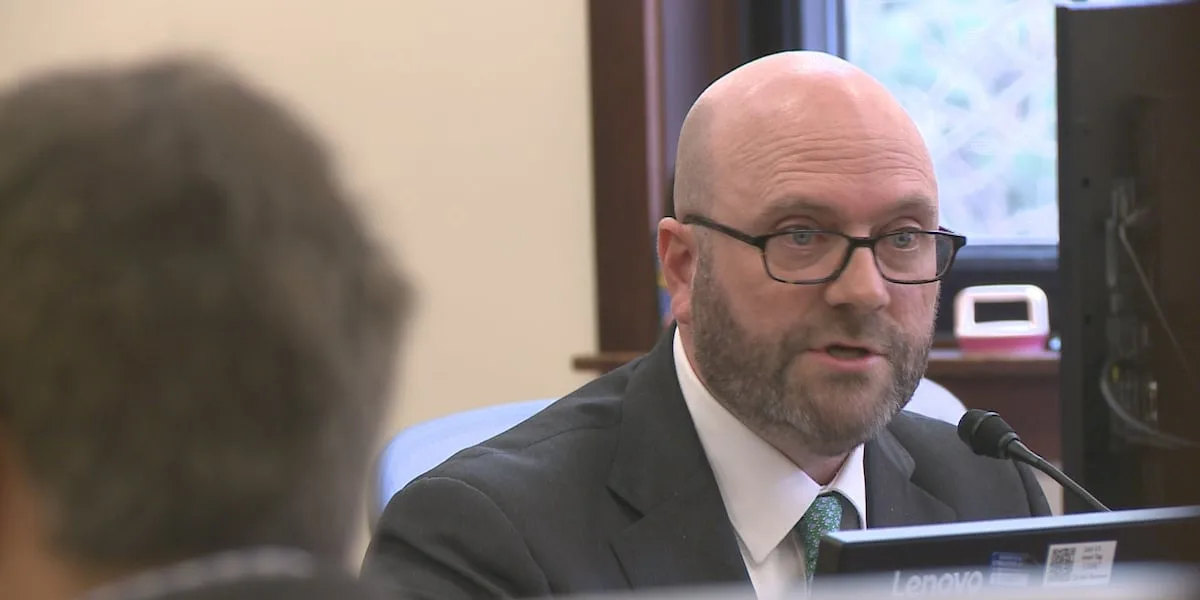
State senators questioned Stephen Cox's commitment to protecting Alaskans' privacy rights during a Thursday hearing before the State Affairs Committee. Cox, appointed as attorney general in August, requires legislative confirmation to continue in the role. Lawmakers focused heavily on his involvement in a decision by Lieutenant Governor Nancy Dahlstrom to release the state's complete voter rolls to the Department of Justice in December.
The voter roll release included registrants' full names, dates of birth, residential addresses, and either state driver's license numbers or the last four digits of social security numbers. The decision triggered fierce opposition and constitutional questions, with the American Civil Liberties Union filing a lawsuit against the state, arguing the release violated Alaska's constitutional right to privacy.

Cox acknowledged his role in advising Dahlstrom and the Division of Elections about the release. He stated the state had faced threats of litigation if it did not provide the voter rolls to the federal government but maintained the release was legal. When pressed on the privacy implications, Cox conceded he was still "learning" about Alaska's privacy rights. "On the right to privacy, I will concede, I am learning about the right to privacy, and the legislature has far better expertise on the right to privacy," he told lawmakers.
Democratic Senator Scott Kawasaki of Fairbanks questioned why the state had not paused to consider whether Alaskans wanted such a release, given their constitutional privacy protections. Cox responded that the legislature bears responsibility for implementing the right to privacy and that the Department of Law's position held the underlying statute as constitutional.
Republican Senator Jesse Bjorkman of Nikiski raised concerns about whether the federal government had identified a genuine "lawful purpose" for the data. Cox pointed to a memorandum of understanding signed between Alaska and the federal government but said he was not an expert on the relevant laws. Bjorkman remained unconvinced, stating that without a solidly identified purpose, the release raised significant concerns.
Lawmakers also questioned Cox on his positions regarding same-sex marriage and abortion rights. When asked if the state would defend women's abortion rights, Cox declined to answer directly, saying he did not want to commit to hypothetical positions. He noted the Alaska Supreme Court's existing recognition of privacy rights related to abortion and said he had no plans to ask the court to revisit those precedents. On same-sex marriage, Cox similarly avoided commitment, saying the state had no plans to challenge such marriages but describing the question as "vague."
Cox previously served in the Trump administration as a senior Justice Department official and U.S. attorney. Since his appointment, he has filed lawsuits against GoFundMe and PayPal, supported the governor's drug interception efforts, and promoted a "Quality of Life" initiative focused on crime reduction and retail theft in Anchorage.
Cox faces another hearing before the House and a joint session vote. Senate confirmation requires a simple majority, and a vote is expected within days.