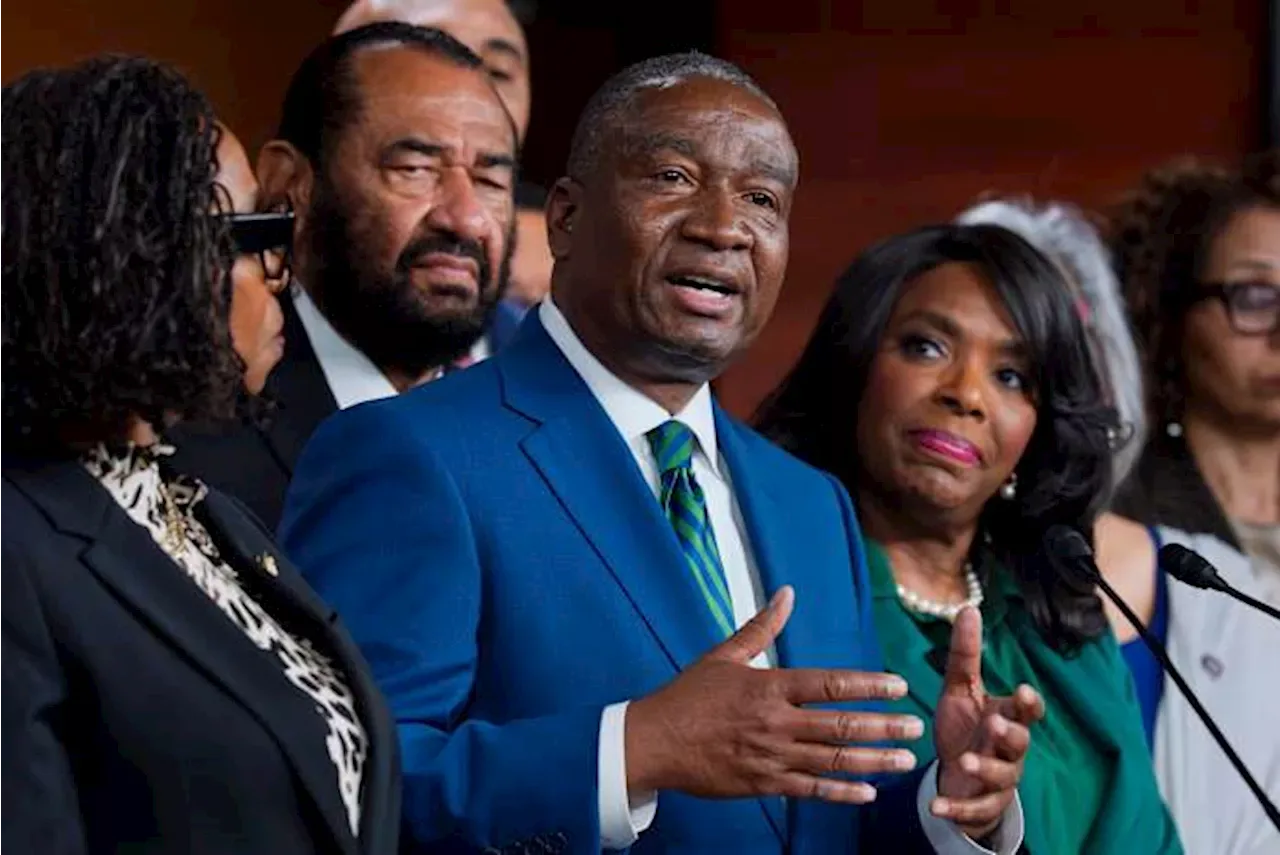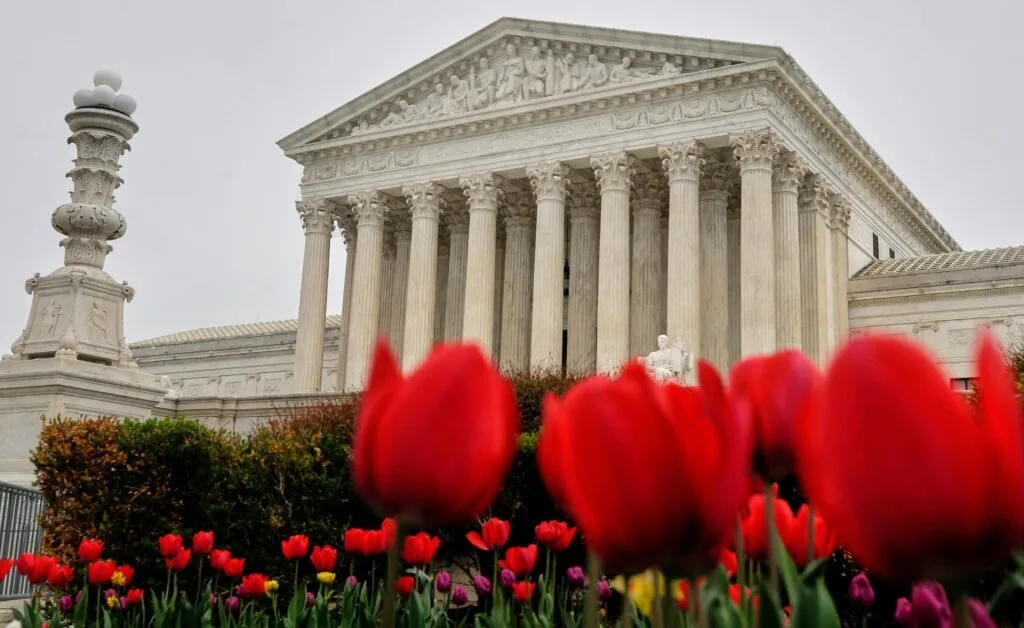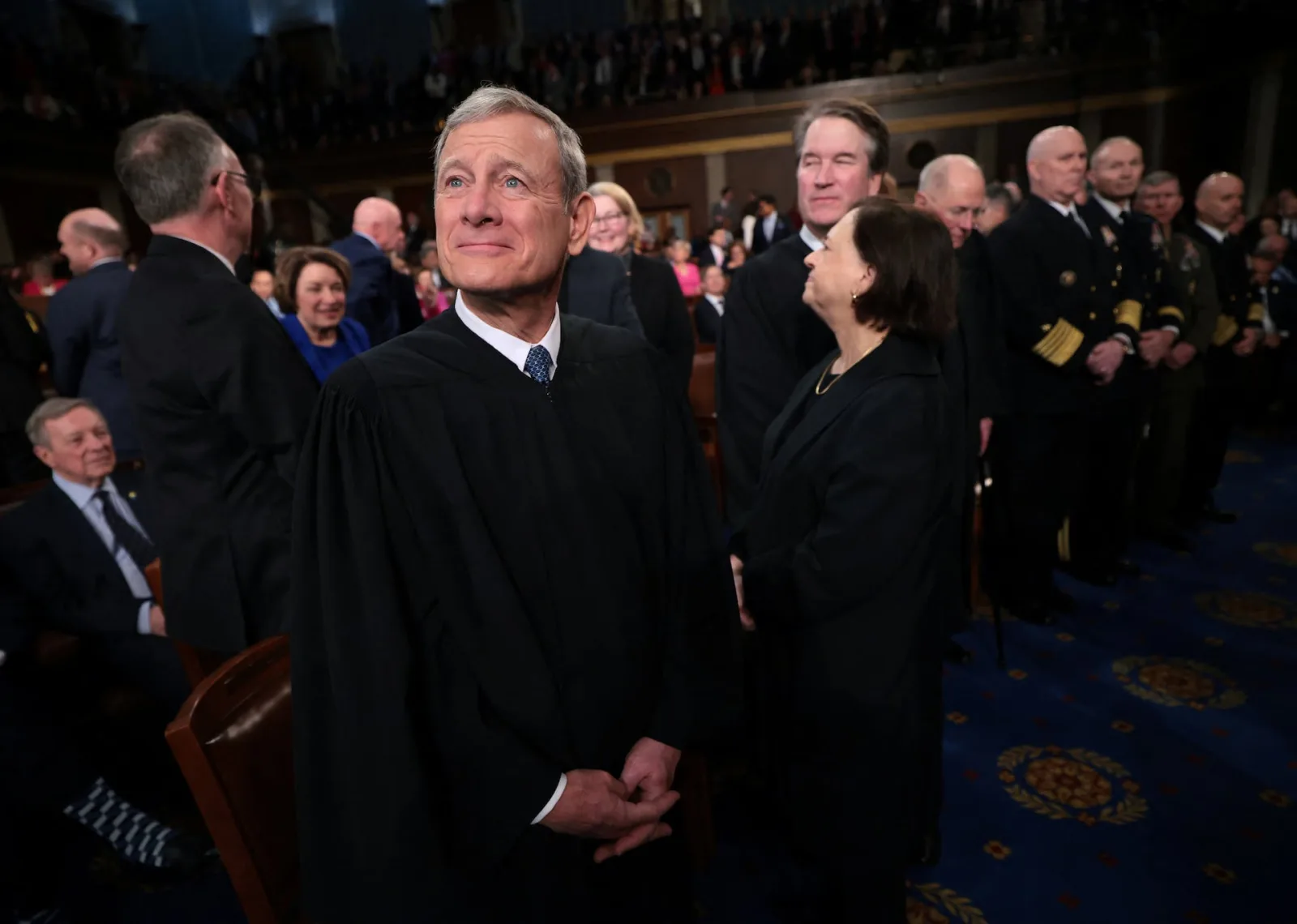
The Supreme Court dealt a significant blow to voting rights protections this week by striking down a core provision of the Voting Rights Act, a landmark law that has shaped American elections for six decades. The decision eliminated safeguards designed to prevent racial discrimination in voting and representation, marking another substantial erosion of the statute following a major ruling more than a decade earlier. Voting and civil rights advocates warn the ruling will accelerate the loss of minority representation across the country.
In Louisiana, the Supreme Court's decision had immediate consequences. The state's top elected officials announced Thursday that congressional primaries scheduled for May 16 will not proceed under the current U.S. House districts. Republican Governor Jeff Landry and Attorney General Liz Murrill stated the ruling prohibits the state from holding elections under its existing configuration. Early voting had been set to begin Saturday. Landry and Murrill said they will work with the Legislature and state election officials to devise an alternative plan.

The Voting Rights Act, enacted in 1965, became one of the most consequential pieces of legislation in American history. Over its six decades, it prevented discrimination against minorities at the ballot box and enabled the election of thousands of Black and Hispanic representatives at federal, state, and local levels. The court's latest decision represents a watershed moment in the law's erosion.
On other fronts, economic data released Thursday showed inflation pressures mounting. A key inflation gauge monitored by the Federal Reserve rose 0.7% in March from February, and prices climbed 3.5% compared with a year earlier—the largest jump in nearly three years. The Commerce Department attributed the increase partly to surging gas prices tied to the ongoing Iran conflict. The data suggests interest rate cuts by the Federal Reserve remain unlikely in the near term.
The U.S. economy expanded at a 2% annual rate during the first quarter of 2026, rebounding from a weak 0.5% pace in the final three months of 2025, when a 43-day federal shutdown weighed on activity. Consumer spending growth slowed to 1.6% in the opening quarter from 1.9% at year's end. Business investment, likely fueled by artificial intelligence spending, accelerated to an 8.7% pace. The economic outlook remains clouded by the Iran conflict and its effect on energy markets.
In Maine, Democratic Governor Janet Mills withdrew from the U.S. Senate primary challenging Republican Senator Susan Collins. Mills cited insufficient campaign funds despite backing from Senate Minority Leader Chuck Schumer and prominent progressive groups. Democratic candidate Graham Platner, an oyster farmer and first-time contender, said Thursday he hopes to work with Mills to flip the seat. Collins thanked Mills for her decades of public service.
In criminal proceedings, a man accused of attempting to storm the White House Correspondents' Association dinner with weapons and attack President Donald Trump agreed to remain in custody pending trial. Cole Thomas Allen did not enter a plea during his Washington court appearance Thursday. Prosecutors said he planned the attack for weeks and monitored Trump's movements online. The incident occurred at the Washington Hilton during one of the capital's most prominent annual events.