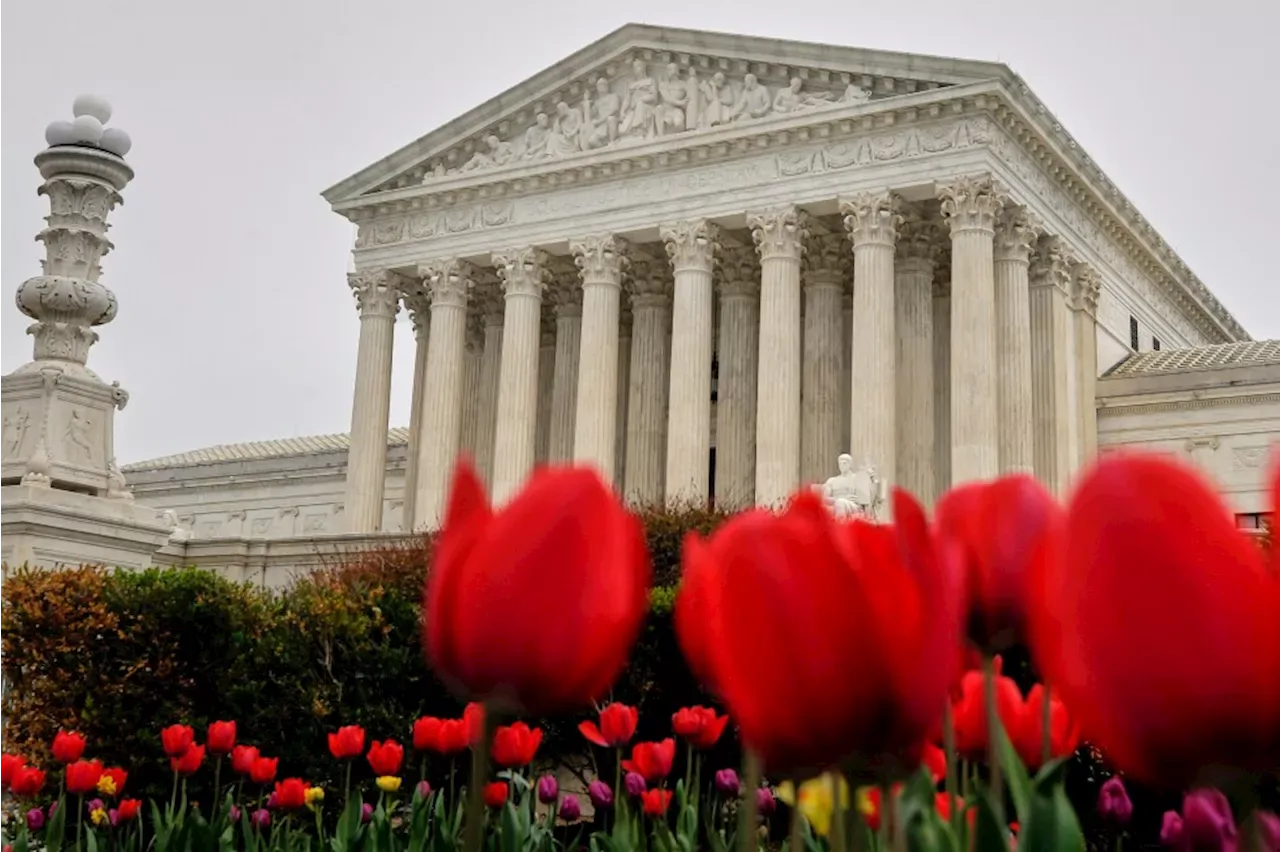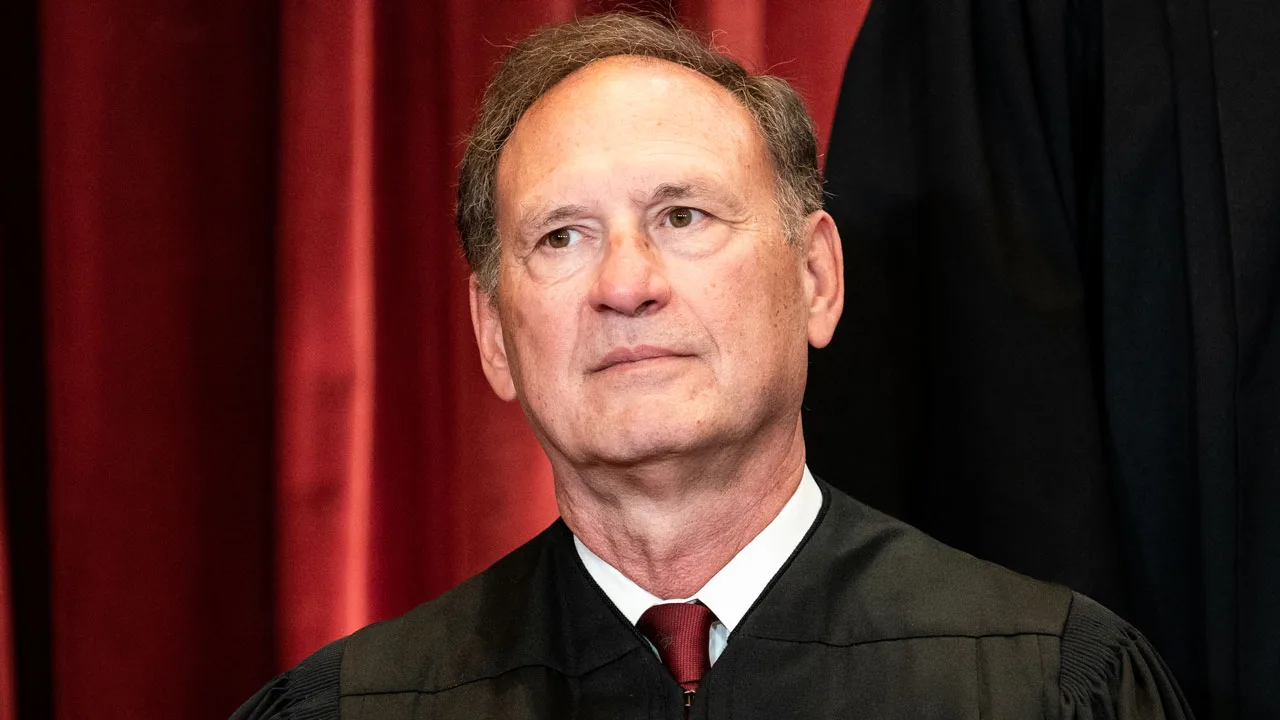
In a 6-3 decision on Wednesday, the U.S. Supreme Court effectively eliminated the Voting Rights Act's mandate that congressional districts be drawn to give minority voters a meaningful opportunity to elect candidates of their choice. The ruling removes protections that had preserved reliably Democratic-voting majority-minority districts even in solidly Republican states, handing Republicans what they view as their most significant victory in the ongoing struggle to control the House and state legislatures.
With that requirement largely eliminated, Republican lawmakers across the country—particularly in the South—now have far greater freedom to dismantle Democratic-leaning districts and increase their total number of winnable seats. More than a dozen such seats exist in Republican-controlled states. However, the decision's immediate impact on the midterm elections appears limited. The ruling came well after primary filing deadlines, and in some states after primaries have already concluded. This timing means ballots are locked in, and early voting has already begun in several states, making it logistically difficult to redraw maps before November.
Louisiana faces the most acute time constraint. That state's primary for federal offices is set for May 16, with early voting beginning Saturday. The Supreme Court ruling stemmed directly from a Louisiana case challenging the state's requirement to draw a second, Democratic-leaning majority-Black House district. Despite the compressed timeline, Louisiana's governor, attorney general, and legislative leaders met to discuss how to respond. Republican operatives urged map reviews in Alabama, Louisiana, Tennessee, and other states under GOP control.
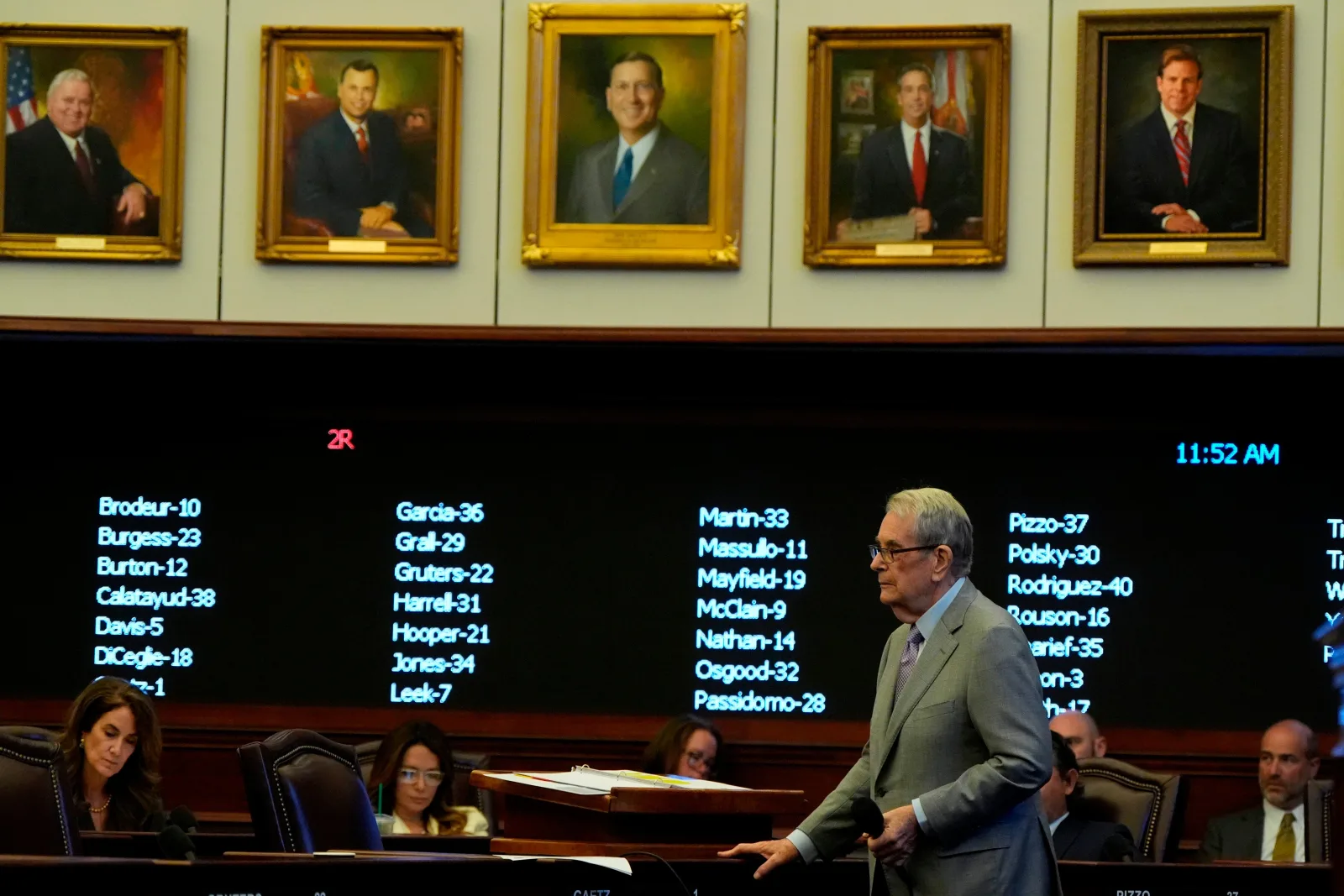
Florida represents the sole Republican-controlled state with a relatively clear path to gaining seats before the midterms. Gov. Ron DeSantis called a special session to adopt a new map that could yield four additional winnable House seats for his party. The Florida Legislature approved the revised congressional map Wednesday, and the state's primary is not until August, providing more time for implementation.
In other states, Republican officials face an unprecedented challenge: revising maps while voters are actively casting ballots or after candidate filing periods have closed. Some Republican candidates running for governor seized on the ruling to demand immediate redraws. Rick Jackson, a GOP gubernatorial hopeful in Georgia, urged action despite voting already underway for the May 19 primary, while Sen. Marsha Blackburn, seeking the Tennessee Republican nomination for governor, called for eliminating that state's sole majority-Black Democratic congressional seat, though Tennessee's candidate filing deadline had already passed on March 10.
Rep. Richard Hudson of North Carolina, chairman of the National Republican Congressional Committee, acknowledged the timing challenges. "I don't know what the implications are going to be for the fall. It's pretty late," he said, noting that redistricting decisions would rest with state governors and legislatures.
Political scientists view the ruling's long-term consequences as transformative. Jonathan Cervas, a political scientist at Carnegie Mellon University who has served as a court-appointed special master in multiple Voting Rights Act cases, stated: "The Voting Rights Act as a means to protect minority voters from vote dilution is essentially dead." He added that the decision will likely lead to additional Republican-held districts in future election cycles.
Democrats face limited countermeasures. While some Democratic-controlled states could spread minority voters more widely to protect those communities, such moves face political pressure from Black and Hispanic Democrats seeking to maintain districts where their communities hold the majority. Democratic-controlled states increasingly employ nonpartisan redistricting commissions and state-level Voting Rights Act protections, but these alternatives require time to implement.
Former Attorney General Eric Holder, chairman of the National Democratic Redistricting Committee, condemned the decision. "They want to retain illegitimately obtained power through the use of, among other things, now Supreme Court-sanctioned racial and partisan gerrymandering," he said, referencing the court's Republican-nominated justices.
Thomas Johnson, a Black voter in New Orleans whose majority-Black congressional district can now be redrawn by the state's Republican legislature, expressed concern. "We are going to do all we can and continue fighting so our voices are heard," he said. "That's all we want, to be heard."