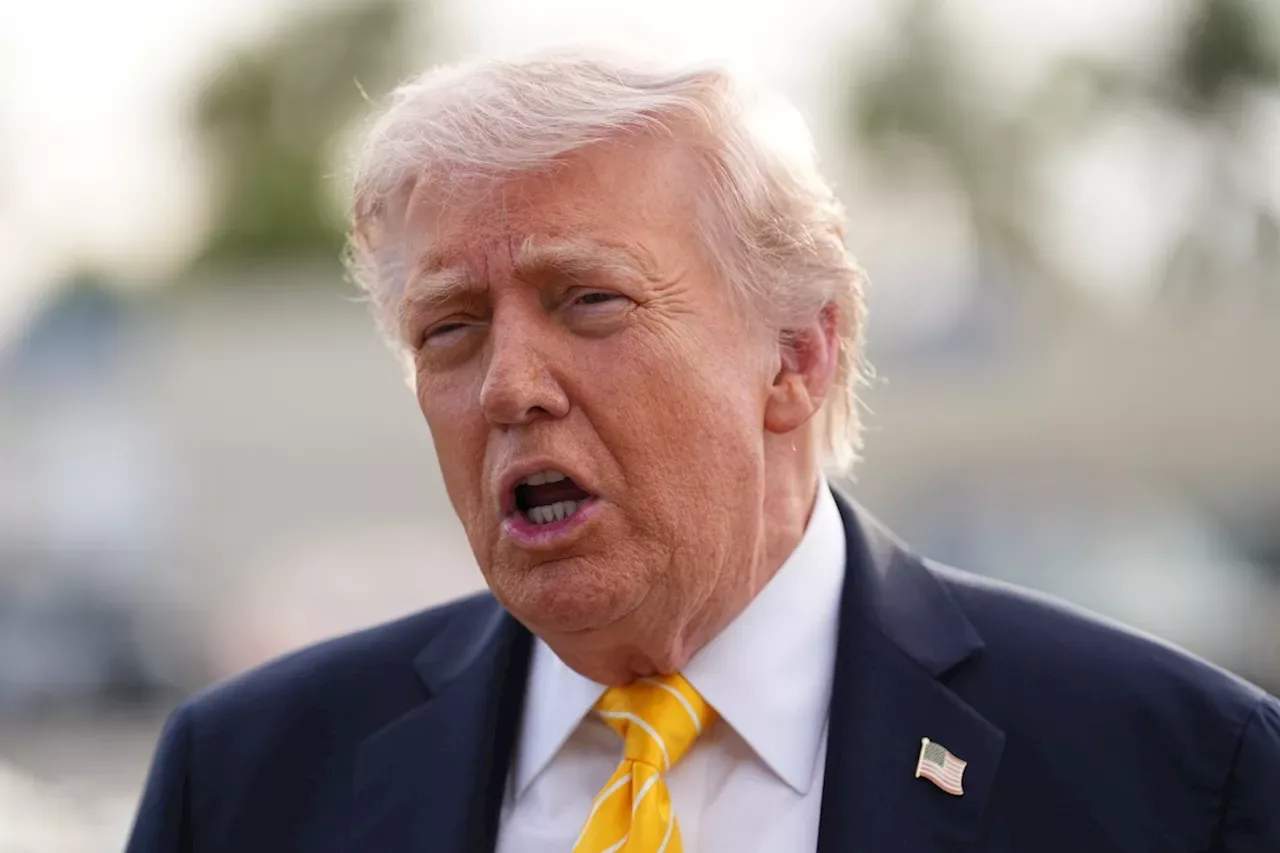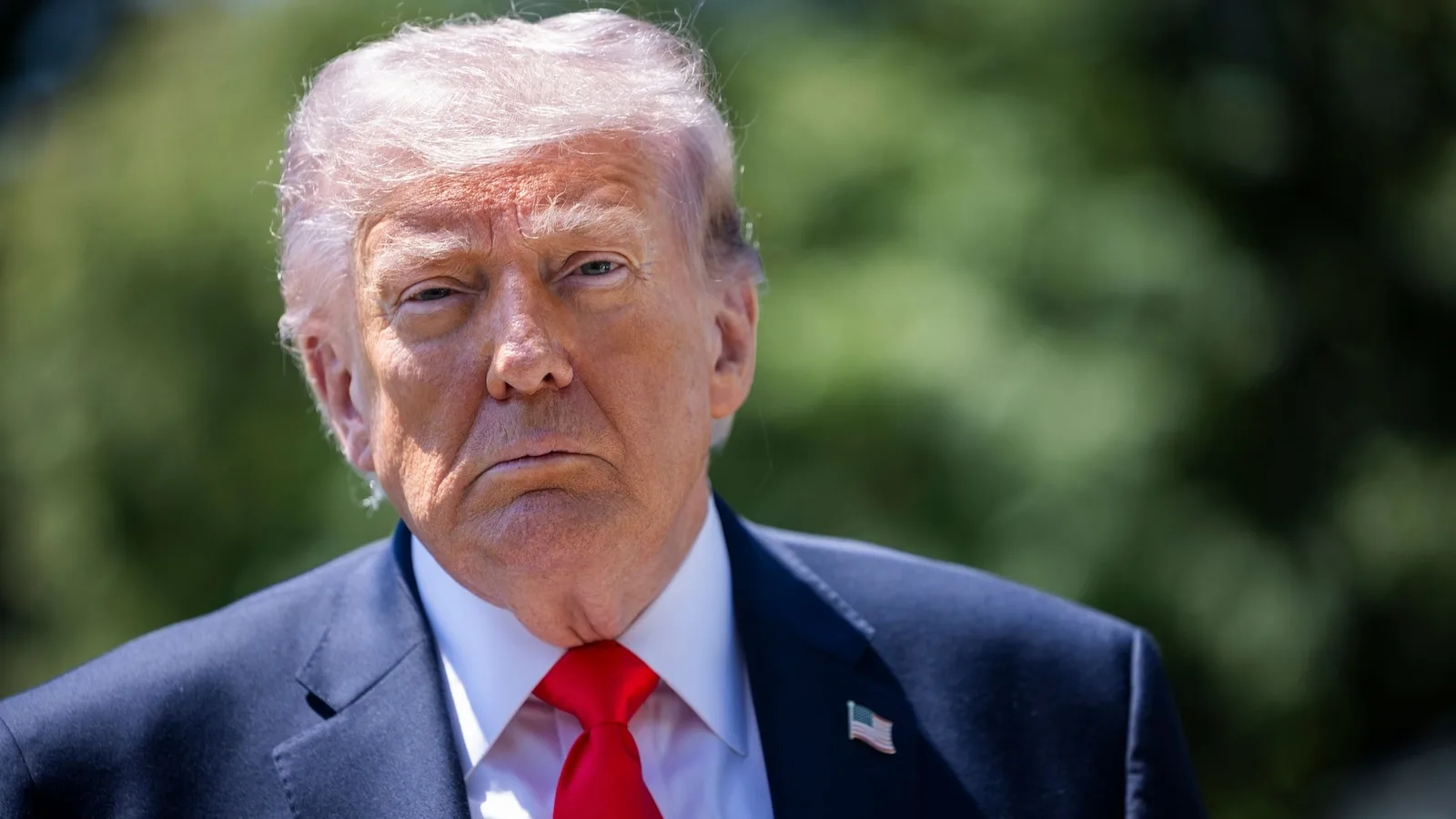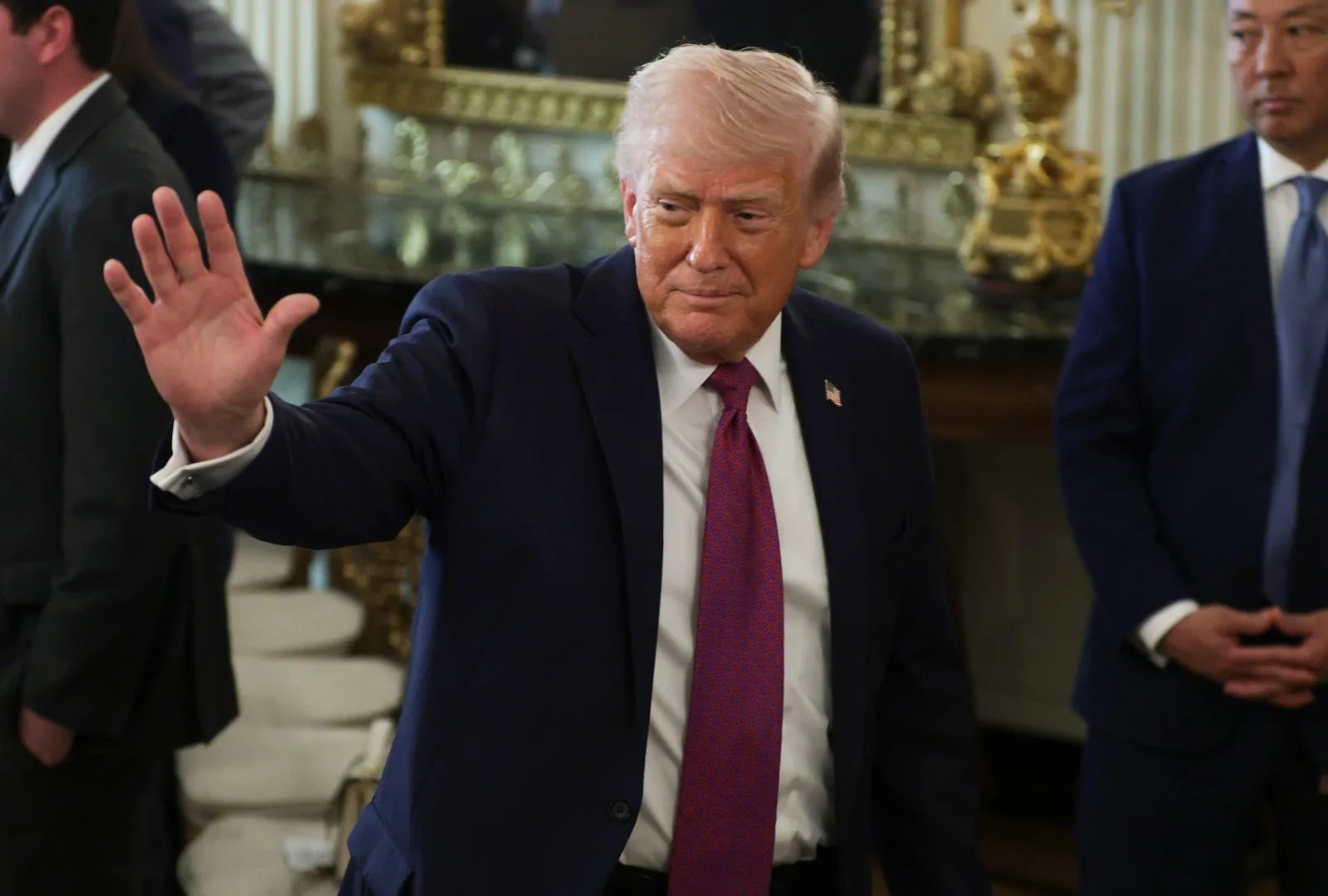
President Donald Trump's support among Republicans has fractured significantly since the beginning of the Iran war in February, according to recent AP NORC polling data. The survey found Trump's approval rating at just 33%, with 67% disapproving of his overall performance. His numbers are even weaker on specific issues: he holds a 30% approval rating on the economy and just 23% on the cost of living.
The polling reveals a widening divide between self-described MAGA Republicans and Republicans more broadly. About 23% of respondents identify as MAGA Republicans, compared to 38% who identify simply as Republicans. This distinction carries significant weight: approximately 90% of MAGA Republicans approve of Trump's job performance, while only 32% of moderate, non-MAGA Republicans do so. Among somewhat and very conservative non-MAGA Republicans, his approval reaches about 55%.

MAGA Republicans differ demographically from their non-MAGA counterparts. About 46% of MAGA Republicans are over 60 years old, compared to 27% of non-MAGA Republicans. Additionally, 83% of MAGA Republicans are white, versus 67% of non-MAGA Republicans. MAGA Republicans also identify as more conservative overall, with 41% ranking themselves "very conservative" compared to just 28% of all Republicans and 12% of non-MAGA Republicans.
Mark Meckler, co-founder of the Tea Party Patriots and president of the Convention of States Foundation, told Salon that Trump's 2024 coalition faces an ideological crisis. "I don't think MAGA has a well-defined ideology," Meckler said. "It really is, generally speaking, whatever the president is pursuing at a given time is what MAGA's ideology is." He contrasted this with the 2026 midterms, where Republicans face a more immediate challenge: voter turnout. Meckler emphasized that the party will need robust ground operations to prevent losses, particularly in gerrymandered districts with reduced margins of safety.
Parts of Trump's 2024 coalition breaking away—including young men and other typically less engaged voters—compounds the turnout problem. Republicans have engineered many districts to maximize advantages, but this has reduced cushions in individual races. If Democrats mount field operations while Republicans lack ground game presence, the mathematical assumptions underlying these districts could collapse.
Logan Phillips, an election analyst and founder of Race to the WH, projects Democrats will win 233 of the House's 435 seats in the midterms and hold approximately a 45% chance of winning the Senate, based on current trends. He attributes this partly to Trump's low approval rating depressing Republican turnout. Phillips noted that if disaffiliation from the MAGA label accelerates, it could represent a more significant political shift than the raw numbers suggest. Trump's foreign policy decisions, mass deportations, and economic policies have eroded the MAGA identity that once centered on avoiding foreign wars and populist economics. "What I will say is we're seeing the beginning of the piercing of his biggest and most unique political strength," Phillips said, referring to Trump's historically high benefit of the doubt among his core supporters.