

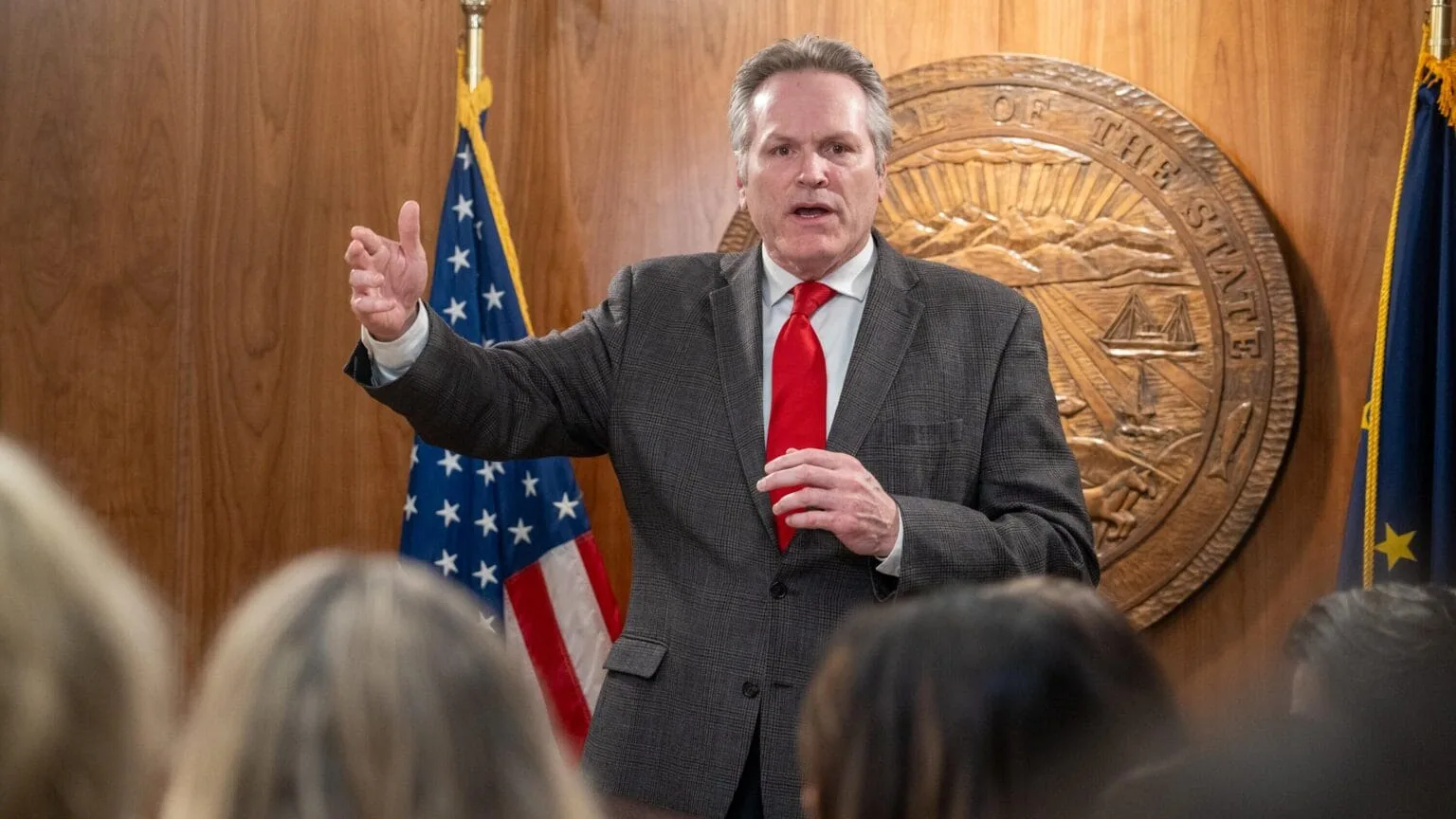
The Alaska Legislature plans to convene a special session immediately following its adjournment to focus on tax relief for the Alaska LNG project, after a proposed bill failed to gain approval. Gov. Mike Dunleavy announced the special session due to the legislature's apparent reluctance to pass a bill replacing the existing 2% annual property tax with a gas flow tax on the pipeline.
Negotiations had appeared promising until lawmakers amended the bill to allow the North Slope Borough to negotiate its own tax arrangements, a move that Gov. Dunleavy and the pipeline developer Glenfarne opposed. They argued that the amendment introduced unacceptable uncertainty into the $46 billion project, potentially jeopardizing financing. The original proposal linked pipeline tax relief to the passage of pension restorations for government employees, but the amendment led to the collapse of this trade-off.

The amendment was introduced by Rep. Robyn Niayuq Frier, the sole legislator from the North Slope Borough, who emphasized the importance of protecting local tax authority against what she described as efforts to shift resource benefits away from the region. This stance conflicted with lawmakers from other boroughs who had relinquished certain rights to promote the LNG facility. As a result, Rep. Chuck Kopp, who helped negotiate the pension-for-tax-cut deal, said the North Slope Borough’s refusal to give up tax powers effectively killed the bill.
Despite late-night attempts to salvage the agreement, the bill was vetoed by Gov. Dunleavy, who cited concerns about its costs and provisions. Lawmakers subsequently failed to override the veto by a significant margin. Labor leaders called the outcome a missed opportunity for job retention and long-term investment in Alaska's workforce, highlighting the potential benefits such as keeping teachers and correctional employees in the state.
Gov. Dunleavy stated he does not intend to propose a similar pension-tax deal during the upcoming special session, signaling a potentially more contentious path ahead as legislators return to tackle the pipeline tax issue and related economic measures.