

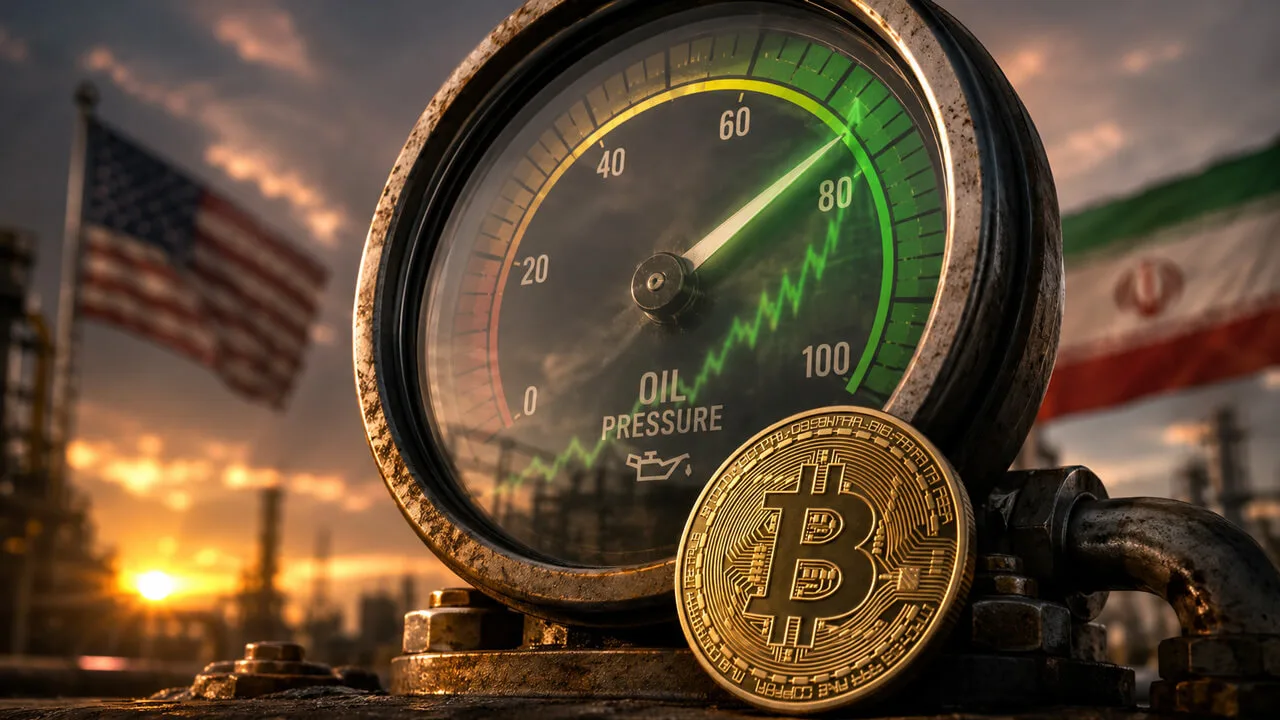
Bitcoin recently surged amid renewed hopes for a U.S.-Iran deal that could ease geopolitical tensions and stabilize energy markets. This optimism, while significant, remains contingent on concrete shifts in crude oil flows, gasoline prices, inflation data, and Federal Reserve signals before the rally can be viewed as a reliable indicator of a possible return to looser monetary policy.
The proposed framework reportedly aims to extend a ceasefire for sixty days, reopen the critical Strait of Hormuz for oil shipping, permit Iranian oil sales under sanctions waivers, and shift nuclear negotiations into subsequent rounds. If these conditions materialize, the geopolitical risk premium currently pushing crude prices higher could diminish, leading to lower oil costs, reduced inflationary pressures, softer Treasury yields, and a more favorable environment for risk assets like Bitcoin.

Oil price movements serve as the immediate litmus test for this narrative. Following news of advancing Iran talks, global equity markets saw gains while crude benchmarks dropped noticeably—West Texas Intermediate and Brent crude slipped sharply, reflecting expectations of eased supply constraints. These price moves suggest that reduced war risk premia in oil could relieve inflation concerns, which in turn would enable risk assets to rebound from pressures linked to energy costs and tighter U.S. monetary policy.
Bitcoin’s performance during the recent period has been highly sensitive to energy price volatility and Fed policy signals. Currently trading well below previous highs, Bitcoin’s rebound can be interpreted as a response not only to geopolitical developments but also to shifting liquidity conditions. Any indication that oil shocks will abate diminishes the likelihood of prolonged restrictive monetary policy, which has weighed on the asset.
However, the initial drop in crude futures only partially confirms the rally’s thesis. Traders await tangible confirmation from physical oil shipments through the Strait of Hormuz, tangible increases in Iranian oil production and exports, the transmission of lower crude prices to gasoline markets, subsequent inflation data, and clear Federal Reserve communication regarding interest rates. Until these factors align, the Bitcoin rally tied to the Iran deal remains conditional rather than definitive.
In essence, Bitcoin’s move reflects a complex interplay between geopolitical developments, energy market fundamentals, inflation expectations, and central bank policy. While the reported deal offers a plausible path toward easing some macroeconomic pressures, only time and data will reveal whether this optimism can sustain a broader recovery in risk assets.