

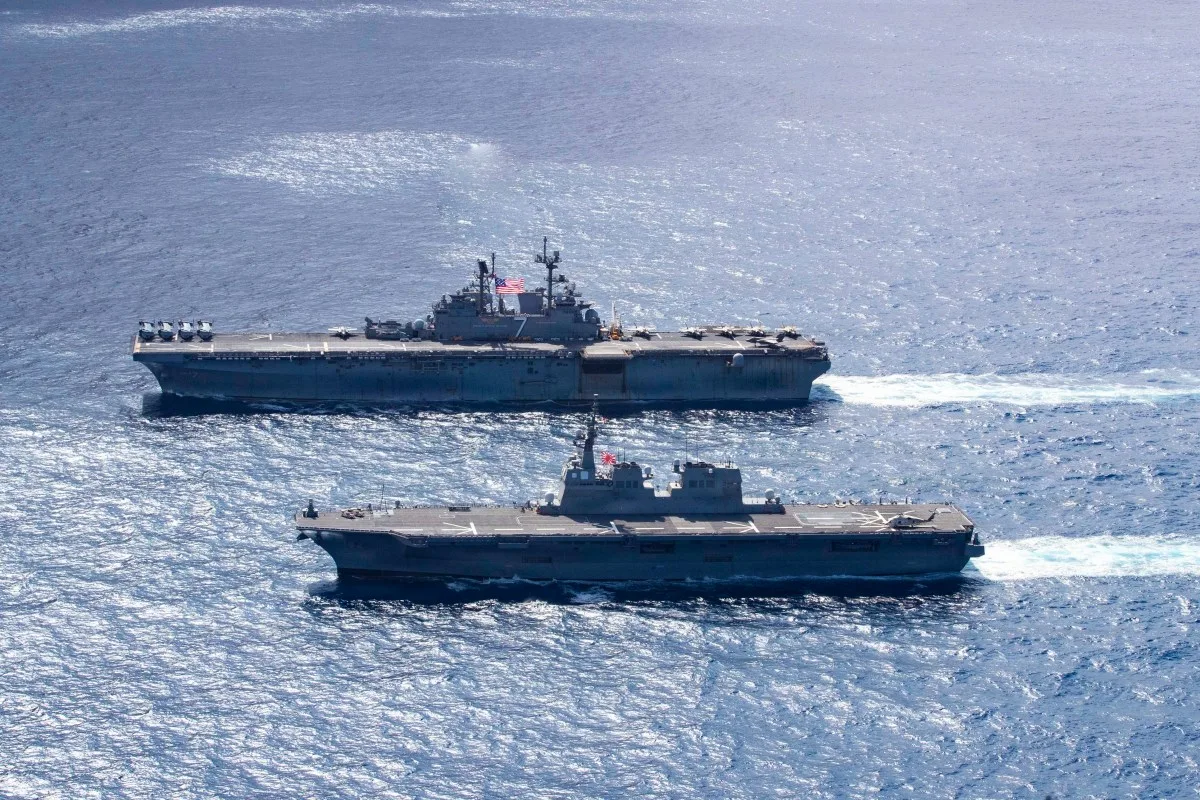
China has implemented stringent export restrictions on several critical minerals and dual-use goods to Japan, aiming to pressure its key U.S. ally over increasing military cooperation with Taiwan and moves toward remilitarization. These measures, introduced initially in January and strengthened in February, block the transfer of strategic materials to any Japanese military end users or for military purposes.
The Chinese Foreign Ministry underscored that the restrictions align with legal mandates to curb Japan’s military ambitions. This move follows remarks by Japanese Prime Minister Sanae Takaichi, who connected Japan’s security closely to Taiwan’s defense, highlighting risks posed by a potential Chinese blockade of the island. Such security alignment implies Japan could deploy its Self-Defense Forces to support U.S. forces in a Taiwan conflict.

Although China has not released a full list of affected materials, the curtailed exports notably include rare earth elements and minerals essential for producing cutting-edge technology components. These resources are crucial for manufacturing advanced defense and electronics equipment, giving China significant leverage over Japan’s military capabilities via supply-chain control.
China views Taiwan as a renegade province that must ultimately be reunified—possibly by force—leading to heightened tensions around the island. Beijing’s export restrictions are part of a broader strategy using economic statecraft as a tool of coercion, amplifying pressure on Japan and its allies without immediate military confrontation.
The use of critical mineral exports as leverage reflects an evolving approach to regional deterrence, signaling Beijing’s readiness to shape allied behavior by targeting supply chains critical to military preparedness. Analysts note this development suggests that U.S. deterrence strategies must consider economic pressures on allies alongside military planning.
Japan’s postwar constitution limits its Self-Defense Forces to defensive roles focused on homeland protection, but recent administrations have sought to expand their operational scope in response to China’s military rise. Former Prime Minister Shinzo Abe advocated strengthening Japan’s forces to match its diplomatic reach, a policy now influencing Japan’s closer security ties with Taiwan.