

The summit between Xi Jinping and Vladimir Putin resulted in a comprehensive declaration reinforcing China-Russia strategic coordination amid escalating tensions linked to the Ukraine conflict. While couched in diplomatic language emphasizing sovereignty, peace, and international law, the document reflects China and Russia’s aligned approach to the ongoing war rather than a neutral mediation effort.
The declaration spans multiple themes, promoting principles such as territorial integrity and non-interference, but it notably avoids directly addressing Russia’s invasion of Ukraine. The absence of terms like “invasion,” “aggression,” or a call for restoring Ukraine’s borders highlights a diplomatic framing that views the conflict as a “crisis” rather than a clear act of war by Moscow. This strategic ambiguity serves both countries’ interests, with Russia seeking political survival and China pursuing an expanded vision of a post-Western global order.

Despite the rhetoric about adhering to the United Nations-centered system and sovereign equality, the text’s treatment of Ukraine suggests these principles are selectively applied. The choice to label the situation a “Ukraine crisis” aligns with Moscow’s narrative, shifting the focus from responsibility and accountability to crisis management. This framing allows China and Russia to present a united front while sidestepping direct condemnation or demands for reparations related to the conflict.
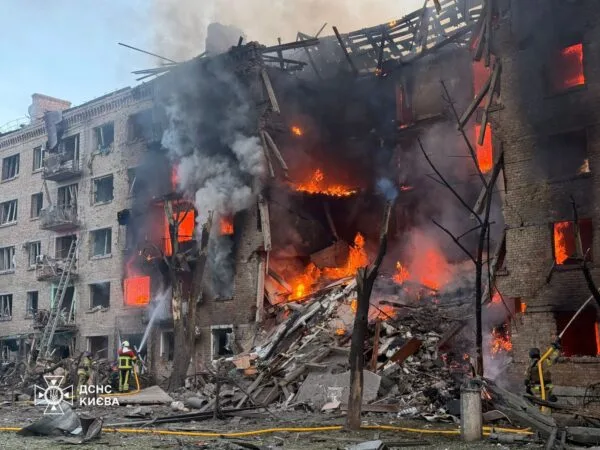
Meanwhile, the impact of the war is starkly evident on the ground. Ukrainian civilians face continuous aggression, exemplified by a recent massive overnight assault on Kyiv involving hundreds of drones and missiles. This attack caused widespread damage to critical infrastructure and residential areas, reaffirming the very real human cost behind the abstract diplomatic language used by the summit’s participants.
The joint statement serves as more than a bilateral friendship pact; it acts as a blueprint for enduring China-Russia cooperation through a turbulent geopolitical period. The partnership reflects Russia’s reliance on China amid Western sanctions and China’s attempt to assert influence by promoting an alternative international order that challenges traditional Western-led frameworks.