

The European Union is intensifying pressure on Russia by proposing a significant expansion of sanctions that target its banking sector, cryptocurrency networks, and oil trading chains. This marks the largest single effort to blacklist Russian banks, aiming to close loopholes that have allowed Moscow to circumvent prior restrictions.
The new package recommends adding close to 90 banks to the EU sanctions list, raising the total number of targeted financial institutions to over 100. This would include transaction bans on 35 banks, notably affecting some outside Russia as well. The move seeks to freeze assets, restrict transactions, and impose travel bans to disrupt Russia’s financial infrastructure supporting its ongoing conflict.

EU officials note that after 20 previous waves of sanctions, Russian entities increasingly rely on smaller banks and third-country intermediaries to move money and sustain trade and weapons supply. By directly targeting the core financial networks, Brussels aims to shift from symbolic punishment toward systematic enforcement that substantially hinders Moscow’s adaptability.
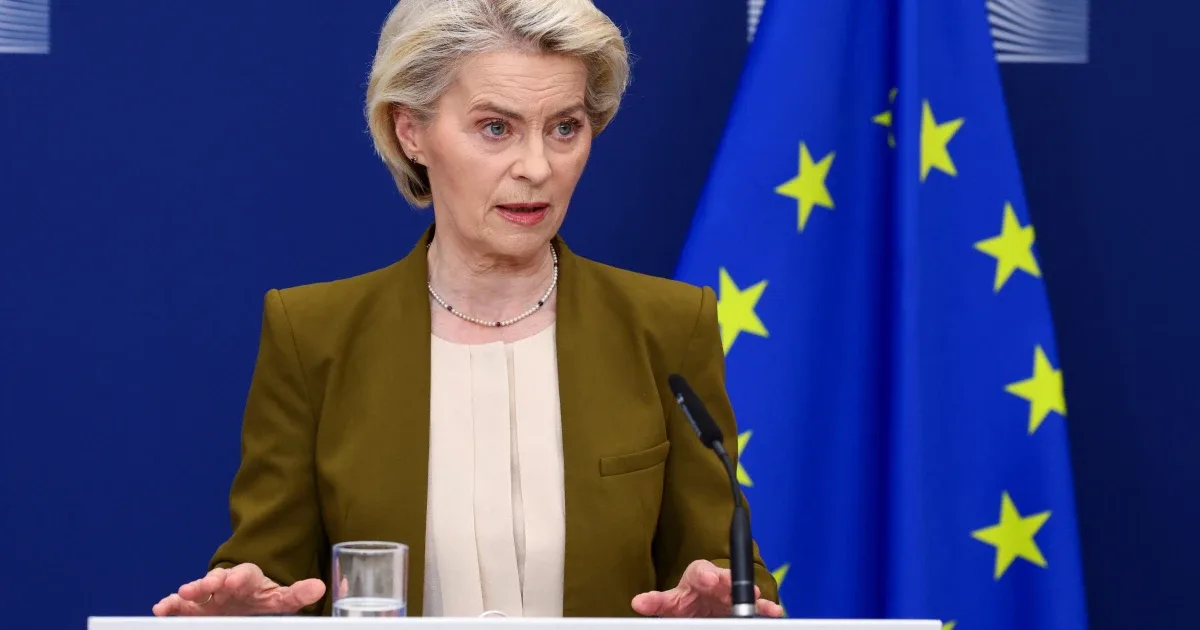
The package also extends sanctions to 11 cryptocurrency platforms. These digital asset services are viewed as critical channels exploited by Russia to bypass existing restrictions. Commission President Ursula von der Leyen indicated that this groundwork could lead to even stricter, country-wide bans on crypto-asset services in the future, signaling heightened vigilance over decentralized finance mechanisms.
Beyond the financial sector, the sanctions broaden pressure on oil traders and Russia’s drone production. This reflects a strategic recalibration treating banks and related financial intermediaries as essential components of Russia’s war-funding apparatus rather than peripheral players.
Earlier in the year, the EU implemented its 20th sanctions package, targeting energy companies and shadow vessels involved in sanction evasion, marking a steady escalation from symbolic measures to deeper economic disruption. The cumulative impact has contributed to a sharp slowdown in Russian economic growth, which fell from nearly 5% to around 1% last year, despite official denials of any banking crisis in Moscow.
This latest proposal, if adopted, signals the EU’s intention to tighten the financial noose further. Brussels estimates that Western sanctions have cost Russia over a trillion dollars but recognizes remaining vulnerabilities in Russia’s war economy to exploit. Additional planned measures aim to sanction propaganda operatives, human-rights violators, and companies linked to defense production, expanding the reach of EU punitive actions in the coming months.