

Negotiations aiming to end hostilities between the U.S. and Iran face significant setbacks due to President Donald Trump’s inability to secure key regional compliance, particularly from Israel. Although Trump claimed progress toward a peace deal, his recent moves—including new military strikes against Iran and last-minute demands on Middle Eastern nations—have undermined diplomatic efforts.
A major obstacle remains Israel’s ongoing bombardment of southern Lebanon, a critical condition Iran has set for any pact. Despite this, Israel has continued its airstrikes, including what is known as “double tap” attacks that target emergency responders shortly after initial bombings. These assaults have resulted in thousands of Lebanese casualties, intensifying tensions and complicating peace efforts.

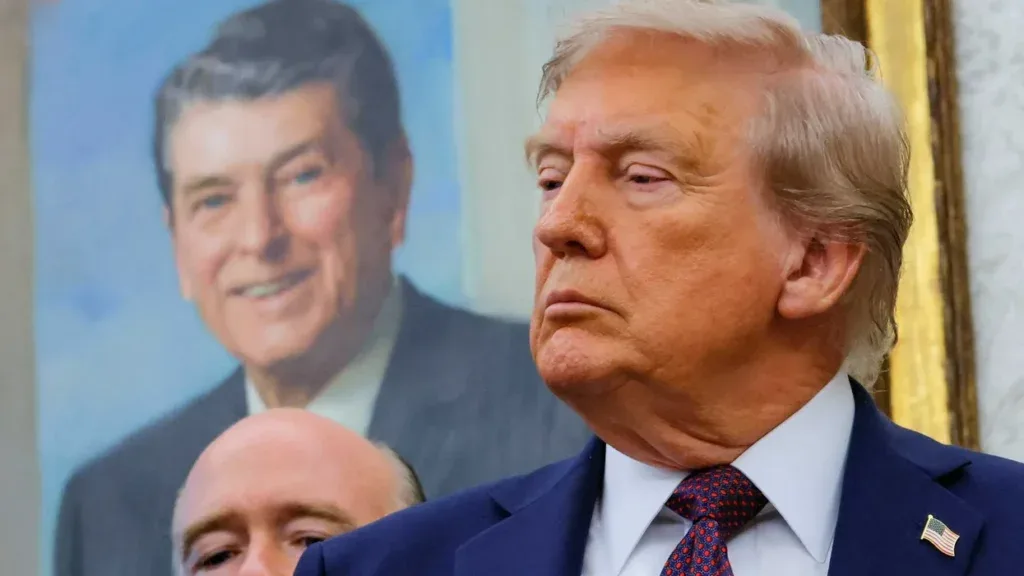
Trita Parsi, co-founder of the Quincy Institute for Responsible Statecraft, highlighted that the most immediate threat to the deal is not Iran or the Gulf itself, but Israel’s failure to halt its military actions. He contrasted Trump’s approach with that of former President Ronald Reagan, who successfully pressured Israeli leadership during a similar crisis in 1982. Reagan confronted then-Prime Minister Menachem Begin over the bombardment of Beirut, warning that U.S. support was conditional and demanding a cessation of attacks. Within hours, the bombing stopped.
Parsi noted that Trump has yet to demonstrate the same diplomatic leverage or resolve. While Trump demanded Israel to cease attacks earlier this year, Israeli strikes have persisted, signaling his limited control over allied actions that are critical to any regional ceasefire and subsequent peace agreement.
This inability to enforce compliance from key regional actors diminishes the prospects of finalizing a sustainable agreement with Iran. Unless the administration adopts a firmer stance toward Israel’s military conduct, the window for achieving peace through negotiation remains at risk of closing.