

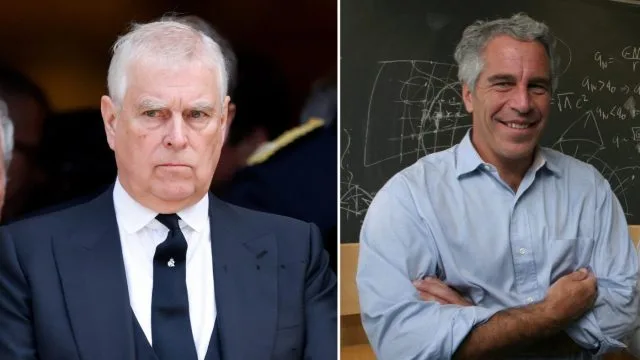
Confidential British government papers disclosed that former Prince Andrew was coached to respond to anticipated criticism regarding his appointment as the UK trade envoy, particularly concerning his limited business experience and controversial connection to Jeffrey Epstein. In a March 2002 briefing titled “Brief for Duke of York interview with the Times,” suggested answers were prepared to address concerns over Andrew’s suitability for the role.
The preparatory document recommended responses emphasizing Andrew’s willingness to undergo extensive induction due to his lack of direct business experience. It proposed acknowledging the steep learning curve while expressing enthusiasm and commitment to making a positive impact. The briefing also advised countering questions about why a more qualified candidate was not chosen by stressing the high-profile nature of the Duke’s involvement and the unique dedication he could provide as a royal family member.

Andrew Mountbatten-Windsor, stripped of his royal titles in 2022 and no longer holding the Duke of York title, served as trade envoy from 2001 until 2011. His tenure has come under significant scrutiny after revelations about his friendship with Epstein, who was a convicted sex offender. Earlier this year, Andrew faced arrest connected to accusations that he shared trade reports with Epstein in 2010, raising questions about conflicts of interest and judgment.
The release of these documents followed parliamentary pressure and legislation aimed at transparency over Andrew’s conduct and role. Public interest intensified after the Justice Department published millions of files linked to Epstein, where Andrew’s name appears multiple times. Although appearing in these files does not imply guilt, allegations surfaced including a claim from 2020 that accused Andrew of child sexual abuse, alongside accusations of being an accessory in the death of a woman trafficked for sex.
One of the released papers revealed that Queen Elizabeth II was “very keen” on Andrew fulfilling the trade envoy position, highlighting the royal family’s initial support amid escalating controversy. The trade envoy role involved representing UK trade interests abroad, and the government’s documents show an effort to justify Andrew’s appointment despite widespread doubt about his experience and the reputational risks tied to his association with Epstein.
This disclosure comes amid ongoing public and legal scrutiny of Andrew’s past, impacting not only his personal standing but also public perceptions of the royal family’s involvement in government appointments and international trade representation.