

The International Monetary Fund (IMF) will present Ghana’s sixth and final review under its bailout programme alongside a new Policy Coordination Instrument (PCI) request to its Executive Board on July 27. This decision follows an extensive mission to Ghana where IMF officials engaged with government officials and key stakeholders across sectors critical to economic recovery.
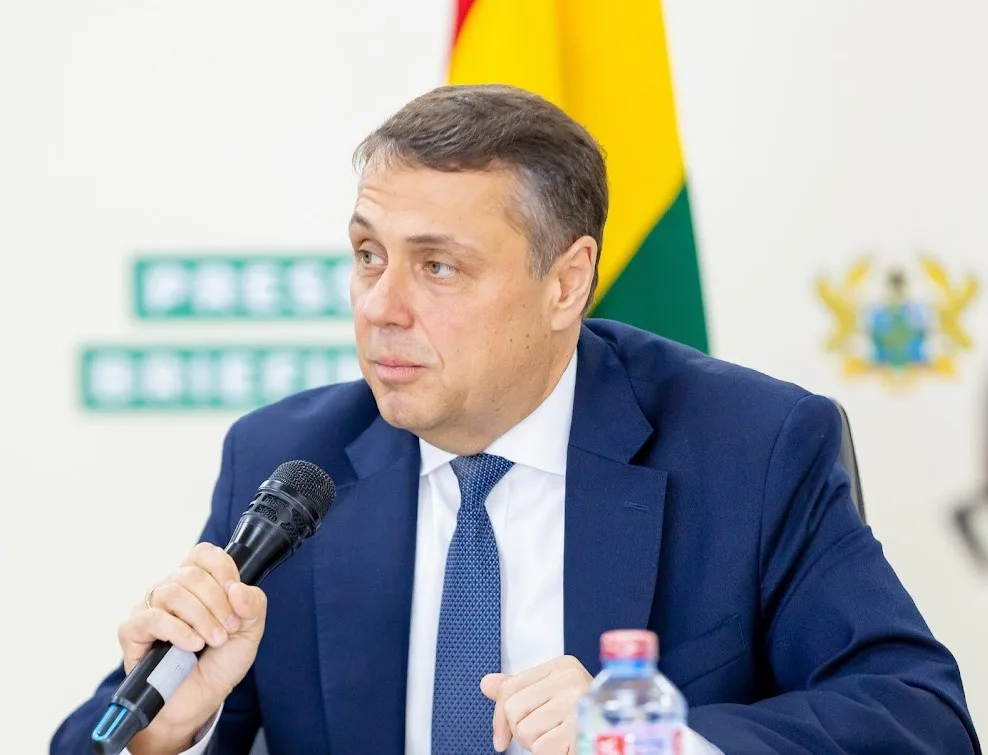
The IMF’s Mission Chief for Ghana, Ruben Atoyan, explained that although a staff-level agreement was reached during recent talks in Accra, the Extended Credit Facility (ECF) programme has not officially concluded. The upcoming Board meeting will be the formal step to approve the final tranche of over $318 million, which is expected to be transferred to the Bank of Ghana once the report is endorsed. The IMF team is currently finalizing its staff report in Washington, preparing to make a compelling case for the continued support and policy framework.

The mission, conducted between late April and mid-May, covered the 2026 Article IV consultation, the last review of the existing ECF programme, and Ghana’s application for the PCI, a non-financing policy arrangement designed to support structural reforms. IMF officials described the mission as productive, highlighting meetings beyond government circles to include cocoa farmers, power producers, and gold refiners. These insights contribute directly to the Fund’s assessment of Ghana’s economic challenges and reform priorities.
According to the IMF, Ghana’s programme has achieved notable macroeconomic stabilization, including reduced inflation, strengthened foreign reserves, increased confidence in the national currency, and progress on debt restructuring efforts. Nonetheless, the Fund identified the energy sector as an area requiring urgent reform. It emphasized the need to address operational inefficiencies at the Electricity Company of Ghana (ECG), focusing on reducing distribution losses and improving revenue collection. Finalizing private sector involvement in electricity distribution remains a priority for longer-term sector sustainability.
Ghana entered its 36-month ECF arrangement in May of the previous year, unlocking access to approximately $3 billion in financial support aimed at stabilizing the economy and enabling structural reforms. The IMF has expressed optimism that all pending government commitments will be fulfilled ahead of the July Board meeting to secure the necessary approvals for the programme’s conclusion and future cooperation.