

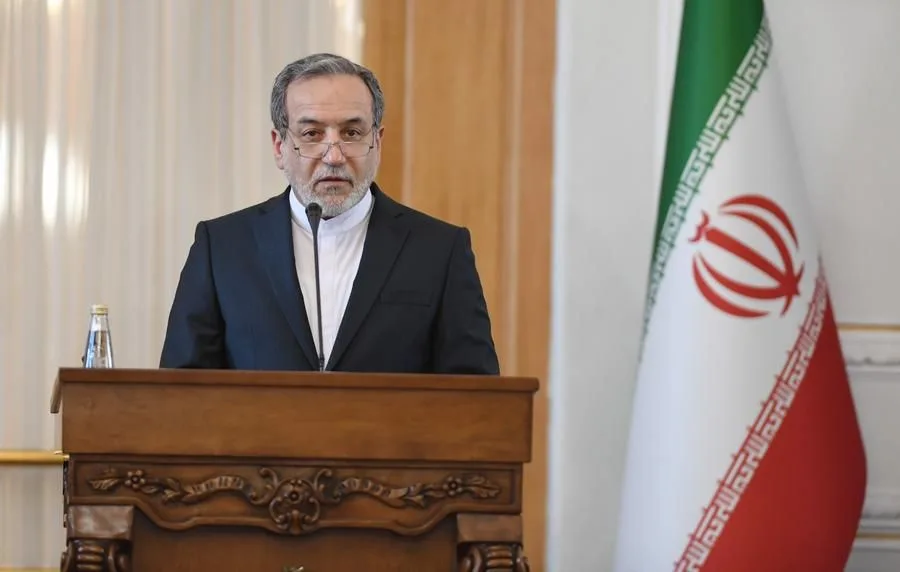
Iran sharply condemned the United States for reversing its temporary suspension of sanctions on Iranian oil sales, labeling the move a breach of the Islamabad Memorandum of Understanding (MoU) signed earlier in June. Tehran held Washington responsible for the repercussions, emphasizing that this decision violated Article 10 of the agreement established to ease hostilities.
The Iranian Ministry of Foreign Affairs expressed frustration over the US action, which came less than three weeks after the MoU was signed, describing Washington’s conduct as indicative of instability and bad faith. Tehran argued that it had acted in good faith, fulfilling its commitments under the agreement, while accusing the US of repeatedly violating terms either directly or through proxy actions involving third parties in the region.

Iran’s statement warned that it reserves the right to respond with measures necessary to protect its national interests and security, signaling potential escalation in tensions following the renewed sanctions. The ministry linked the US decision to a pattern of disregarding the agreement’s provisions and undermining regional stability.
Adding to the rising tensions, the US Central Command reported launching strikes targeting Iran after attacks on three commercial vessels navigating the Strait of Hormuz, an essential international shipping route. The command stated that these strikes were intended to impose significant costs on Iran for targeting civilian-manned vessels, highlighting ongoing security concerns in this strategic waterway.
Explosions near Iranian port cities and islands were reported by Iranian media shortly after the strikes, underscoring the rapid escalation following the sanctions reversal and maritime incidents. The situation reflects a deepening conflict with significant implications for regional trade and diplomatic relations.