

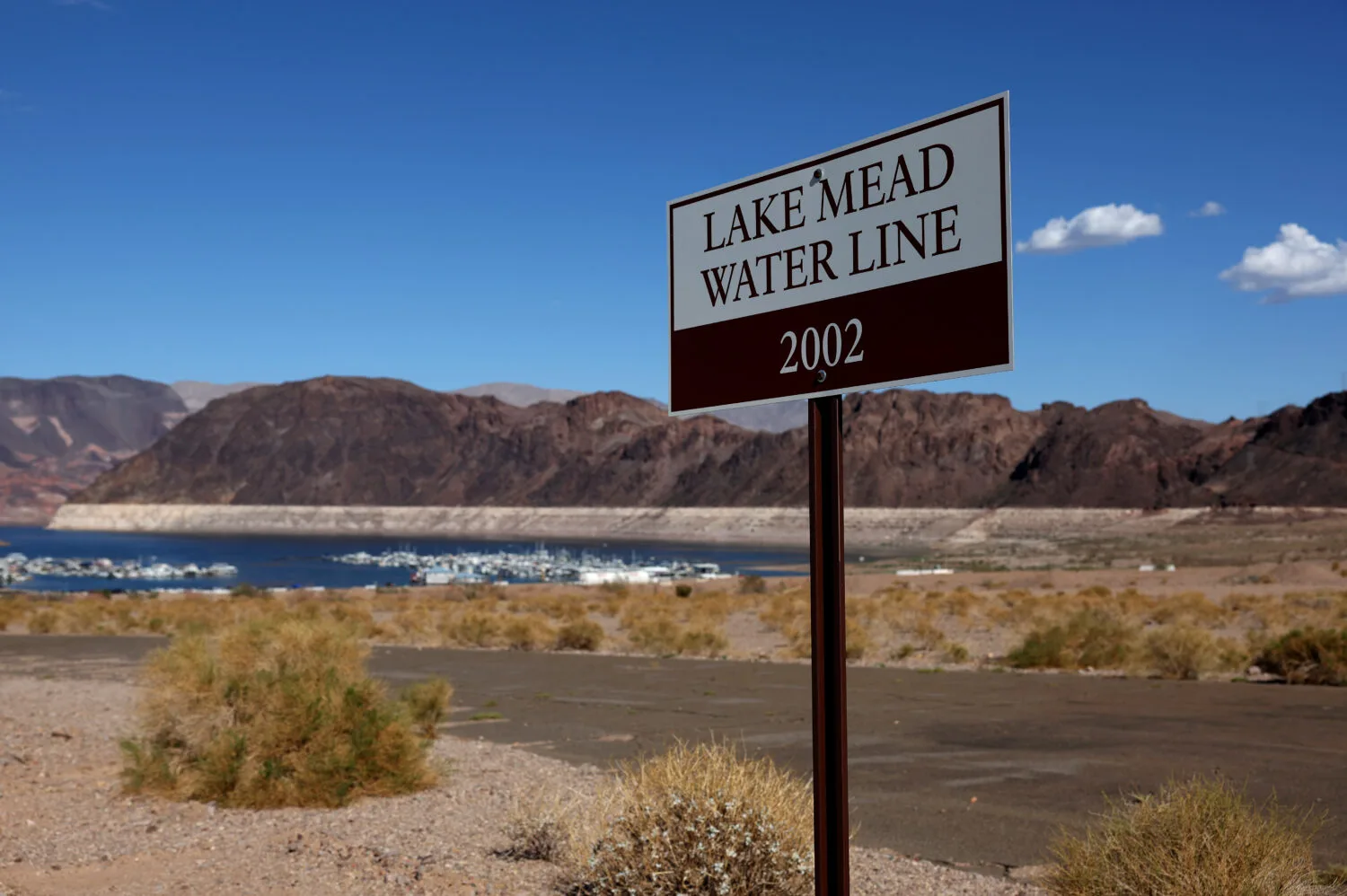
Arizona, California, and Nevada, the three states in the Lower Colorado River Basin, have reached an agreement to conserve 3.2 million acre-feet of water from the Colorado River over the next two years. Though the deal does not resolve the ongoing water crisis, it provides crucial breathing room for the basin’s seven states to seek a longer-term, comprehensive solution.
Arizona will implement a mandatory 27% reduction in its Colorado River water usage, representing roughly 10% of the state’s overall annual water consumption. This cutback marks a significant commitment for a Southwestern state facing severe drought and water scarcity. The new conservation agreement also allocates the financial burden between the federal government and the states, with costs shared through a combination of in-kind contributions, improved pricing structures, and state-level funding.

In Arizona, Governor Katie Hobbs has proposed establishing a Colorado River Protection Fund within the state budget to support this effort. This fund could draw on new revenue generated from water-use assessments, possibly including fees on water-intensive operations like data centers. The goal of such a revenue source is to assist Arizona in managing short-term challenges while fostering economic growth that relies on lower water consumption.
The plan addresses critical infrastructure concerns at Glen Canyon Dam, where declining water levels threaten both hydropower generation and water releases downstream to Lake Mead. Officials will develop a federally led strategy by late 2027 to mitigate structural risks at the dam, with implementation planned by the end of 2028. Without effective action, the dam’s turbines may stop running, potentially leading to a catastrophic disruption of water flow along the Colorado River through the Grand Canyon.
At Lake Mead, water elevation currently sits at 1,052 feet, but the proposal incorporates a precautionary trigger point at 1,010 feet. Should lake levels approach this threshold, federal authorities will collaborate with Lower Basin states to determine intervention measures to prevent further declines toward the critical 975-foot mark.
Another significant feature of the agreement is the creation of a Tribal Pool, intended to uphold the federal government’s obligations to the 22 American Indian tribes in Arizona entitled to a share of Colorado River water. The Tribal Pool will primarily be a federal responsibility, ensuring these communities receive reliable access to their water rights amid broader basin adjustments.