

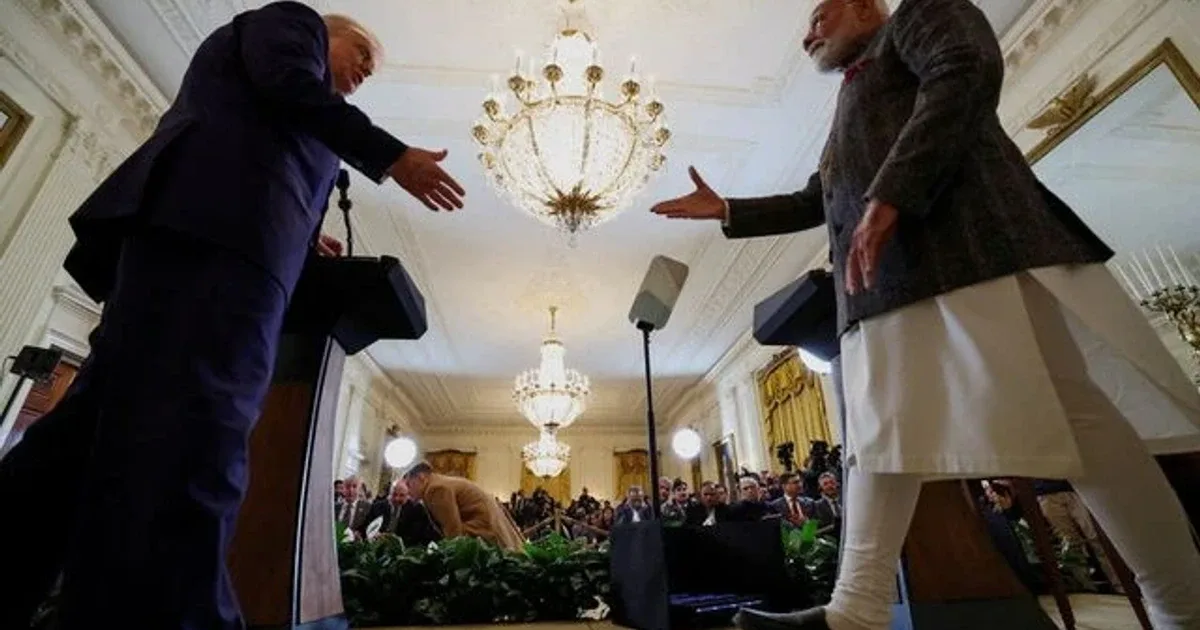
Leaders Narendra Modi and Donald Trump will likely hold talks on the sidelines of the G7 summit in France, spotlighting key issues such as trade negotiations, H-1B visa policies, and energy collaboration. This meeting arrives as both countries seek tangible progress following recent easing of tensions, though significant challenges remain across multiple fronts.
Modi’s schedule includes a visit beginning before the summit, allowing a narrow window for India and the U.S. to advance a bilateral trade agreement that New Delhi hopes to finalize by mid-July. According to Commerce Minister Piyush Goyal, most of the major issues in the initial phase of the pact have been resolved, with only minor drafting matters left. The economic stakes underpinning these talks are substantial: U.S. imports from India reached over $100 billion recently, while the bilateral trade deficit and rising services trade underline the importance for both sides to secure a durable deal.

The H-1B visa program is expected to be a particularly sensitive topic. Indian applicants accounted for the vast majority of H-1B approvals in recent data, making visa policy a crucial factor for Indian professionals and U.S. tech employers alike. Any progress on this front could influence not only labor mobility but also long-term hiring strategies in technology and other sectors.
This high-level meeting occurs amid a complex strategic backdrop. U.S. tariffs on Indian goods persist alongside diplomatic friction fueled by disputes over security narratives, including contested claims related to last year’s India-Pakistan tensions. Nonetheless, recent visits by U.S. officials have helped ease some strains by broadening dialogue on trade, defense, energy, and security cooperation.
Multilateral frameworks such as the Quad, involving the U.S., India, Japan, and Australia, have intensified cooperation in areas like maritime security, critical mineral supply chains, port infrastructure, and energy resilience. These developments signal an interest in reinforcing strategic partnerships despite domestic political challenges surrounding trade and immigration policies.
The anticipated Modi-Trump encounter at the G7 will thus serve as a critical test of whether the stated commitment to a strong strategic partnership can overcome ongoing tensions linked to tariffs, visa regulation, and energy cooperation, or if these issues will continue to shape the bilateral relationship’s trajectory.