

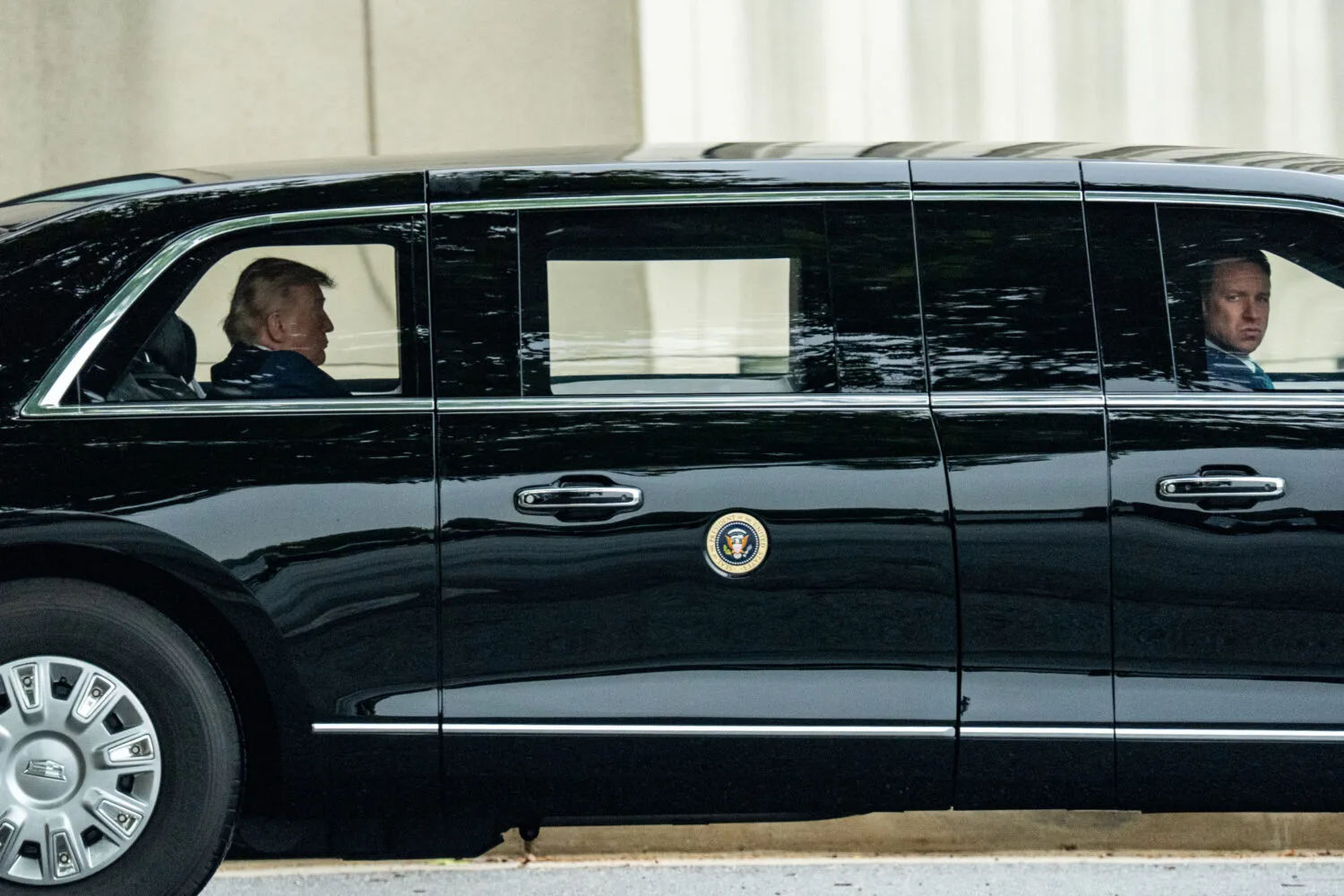
President Donald Trump gathered with his Cabinet during a critical phase of negotiations aimed at ending the ongoing conflict with Iran. Despite asserting that the U.S. and Tehran had “largely negotiated” an agreement, the talks remain unresolved, leaving key issues postponed and the final outcome uncertain.
The prospective deal is designed to secure the reopening of the Strait of Hormuz and curb Iran’s nuclear capabilities, milestones Trump hopes will allow him to claim political victory and wind down a war that has provoked bipartisan unease. However, the terms exposed so far have sparked opposition among Republican lawmakers who argue the arrangement mirrors aspects of the Obama-era nuclear deal — which Trump previously discarded — and could ultimately strengthen Iran’s position.

Adding complexity to the diplomatic efforts, recent U.S. military strikes targeted Iranian missile launch sites and mine-laying boats, actions described by the Pentagon as defensive and restrained amid a ceasefire period. Iran condemned these strikes as a breach of trust, highlighting the fragile state of the negotiations.
The administration envisions the ceasefire as a window to negotiate detailed terms of a final nuclear agreement, though discussions are expected to continue for several more days. Secretary of State Marco Rubio emphasized that the White House is prepared to accept either a beneficial agreement or no deal at all. Meanwhile, Trump criticized media portrayal of the conflict’s potential end, suggesting coverage would inaccurately celebrate Iran’s gains regardless of concessions made.
Concerns voiced by Republican senators, including Roger Wicker, Lindsey Graham, and Ted Cruz, underscore growing unease within the party about granting Iran sanctions relief after Tehran would surrender its stockpile of highly enriched uranium, a key U.S. demand. These worries coincide with heightened political stakes as midterm elections approach, with rising fuel costs and prolonged military engagement affecting public opinion.