

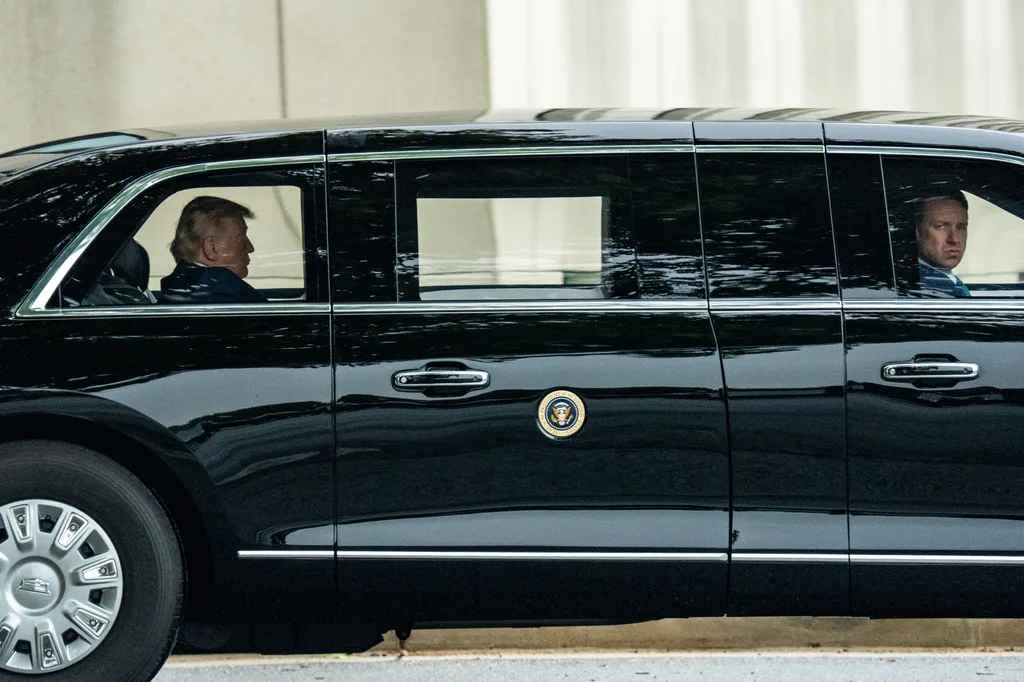
President Donald Trump convened his Cabinet amid ongoing efforts to finalize a settlement aimed at ending the conflict with Iran. While Trump expressed confidence that an agreement would soon reopen the Strait of Hormuz and curb Iran’s nuclear ambitions, key aspects of the negotiations remain unresolved, leaving uncertainty over the deal’s effectiveness and political repercussions.
The proposed settlement includes Iran surrendering its stockpile of highly enriched uranium in exchange for sanctions relief, a central demand of the Trump administration. However, several Republican lawmakers have voiced skepticism, warning that the terms resemble the previous nuclear deal abandoned by Trump and could effectively strengthen Iran’s position. These criticisms come at a politically sensitive time as midterm elections approach and concerns grow over rising fuel prices and the war’s impact on voter sentiment.

Complicating the process, U.S. forces recently launched “defensive” strikes on missile sites and vessels in southern Iran, actions the Pentagon described as restrained but Iran condemned as evidence of bad faith. Secretary of State Marco Rubio indicated that talks to reopen the strait and extend the current ceasefire would require additional days to finalize, emphasizing that the administration’s goal is either a solid deal or no deal at all.
Meanwhile, Trump highlighted the challenges of public perception, claiming that media coverage will frame any resolution as a victory for Iran regardless of terms. This underscores the political risks Trump faces in attempting to declare success in a conflict that has divided both his party and the American public.