

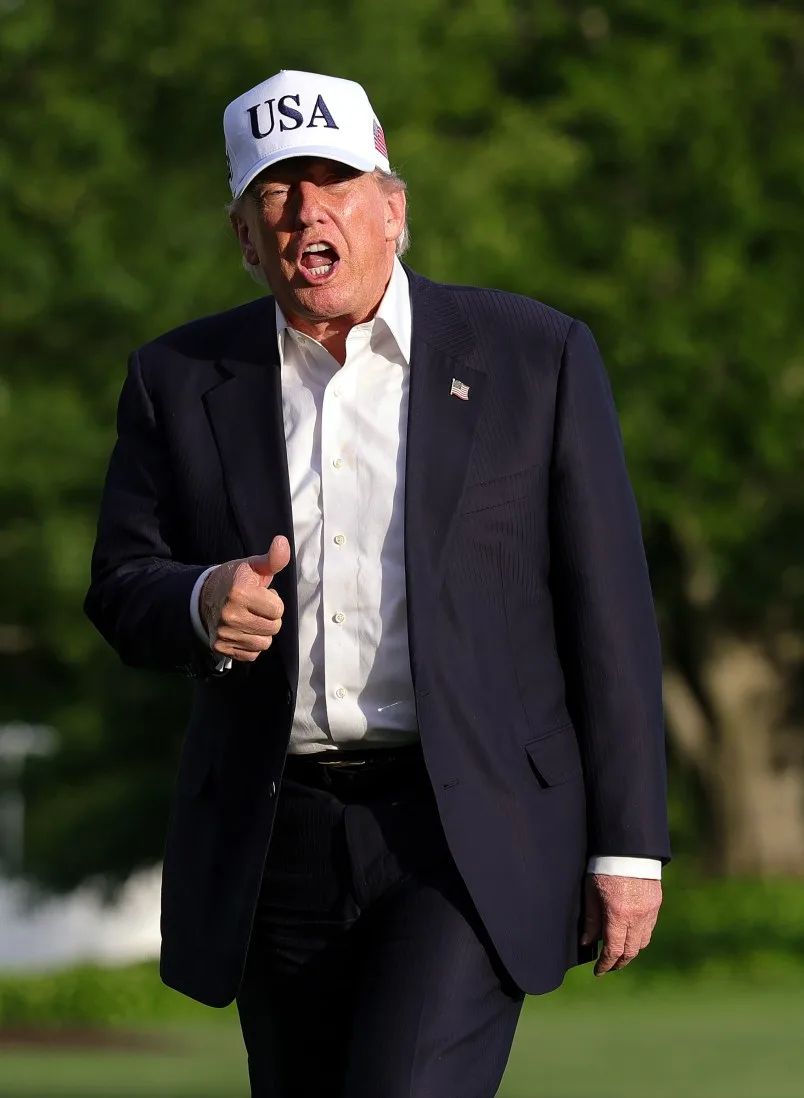
President Trump filed a notice to voluntarily dismiss his $10 billion lawsuit against the Internal Revenue Service (IRS) over the leak of his tax returns, effectively ending the case with prejudice. This means the lawsuit cannot be refiled. The move came shortly before a federal judge demanded clarification on whether the parties involved were truly adversaries, raising questions about the court’s jurisdiction over the matter.
The lawsuit targeted the IRS and Treasury Department over the unauthorized disclosure of Trump’s tax information. However, U.S. District Judge Kathleen Williams from Miami had expressed doubts about hearing the case, since Trump appeared to maintain significant control over the defendants. To address this unusual circumstance, the judge appointed outside attorneys as independent advisors to provide a legal perspective on the dispute.

Trump’s legal team argued that under procedural rules, they had an absolute right to dismiss the lawsuit before the IRS or Treasury filed any formal response. The filing emphasized that this voluntary dismissal requires no court approval or consent from other parties, asserting that the judge no longer held jurisdiction once the notice was submitted. Citing appellate precedent, they claimed that any subsequent judicial orders trying to dismiss the case would be invalid.
By choosing dismissal with prejudice, the filing also sealed the case from future litigation on the same claims. The notice stated each party would bear its own legal costs, sidestepping any further battles over fees. The timing of this move followed intense media scrutiny around a possible settlement of the litigation, which had attracted significant public and legal attention due to allegations of mismanagement and corruption linked to the tax return dispute.
This case spotlighted complicated legal questions about Trump’s influence over government agencies and the proper limits of judicial power when the plaintiff seemingly controls the defendants. The judge’s appointment of outside counsel as amici curiae illustrated those concerns, raising issues rarely seen in typical federal lawsuits. Despite these unique judicial steps, the lawsuit will not proceed thanks to Trump’s abrupt dismissal.