

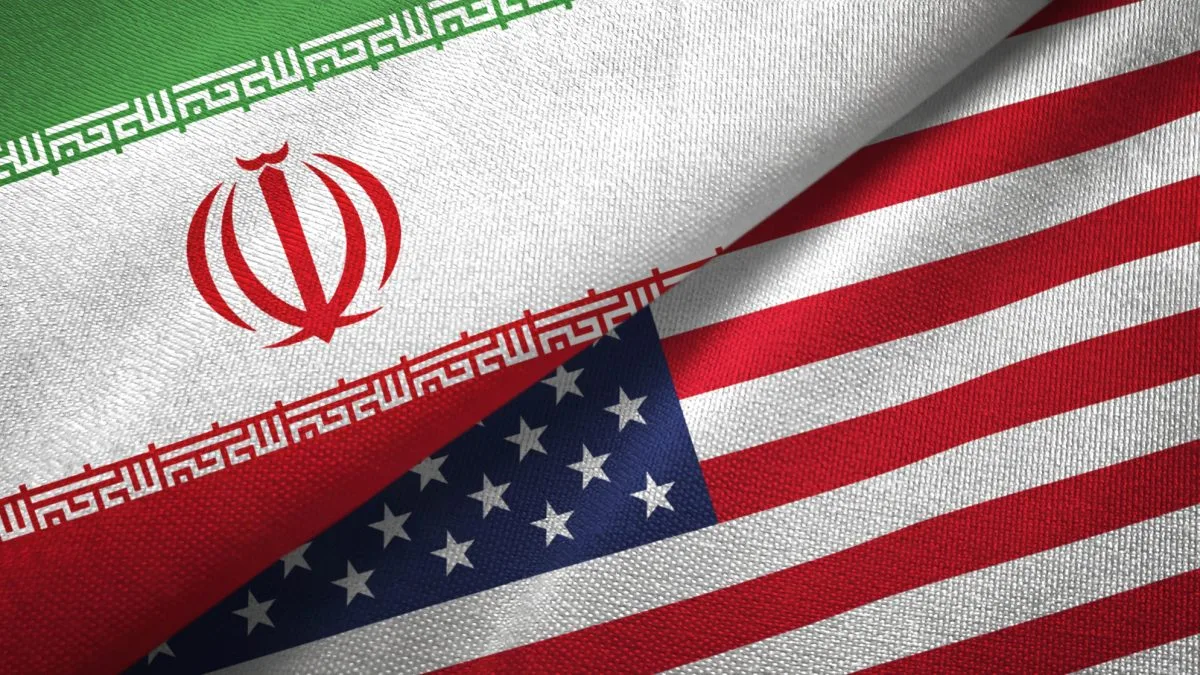
Escalating tensions in the Gulf region intensified after Iran launched missile and drone strikes targeting U.S. military bases in Jordan, Kuwait, and Bahrain, responding to recent American attacks on Iranian positions near the Strait of Hormuz. The strikes mark a sharp deterioration in relations, coming just weeks after Washington and Tehran declared a ceasefire.
President Trump sharply criticized Iran for dragging out nuclear deal negotiations, declaring on social media that the country had wasted time and would now face serious repercussions. He later reaffirmed to reporters that the U.S. would "be attacking them, attacking them very hard," signaling a continued military posture.

The U.S. military confirmed it conducted precision strikes against Iranian air defense systems, ground control facilities, and surveillance radar installations. These actions were described as a measured response to Iran’s recent downing of a U.S. Apache helicopter, whose crew was safely rescued by a drone boat. According to U.S. officials, the Iranian missile and drone attacks inflicted no significant damage and caused no casualties, as most weapons were intercepted or failed to reach their targets.
This exchange represents the most intense confrontation since the ceasefire was established in April and follows Iran’s recent missile response to Israeli strikes, further weakening hopes for stabilizing peace talks. The instability has already affected global markets, prompting a rise in oil prices and declines in stock exchanges after the U.S. president's statements.