

The United States and Iran have provisionally agreed to extend the ceasefire in their ongoing conflict by two more months while reopening diplomatic talks concerning Iran’s nuclear activities. This tentative memorandum includes significant terms aimed at stabilizing a vital international waterway and easing hostilities that have sent global oil markets into turmoil.
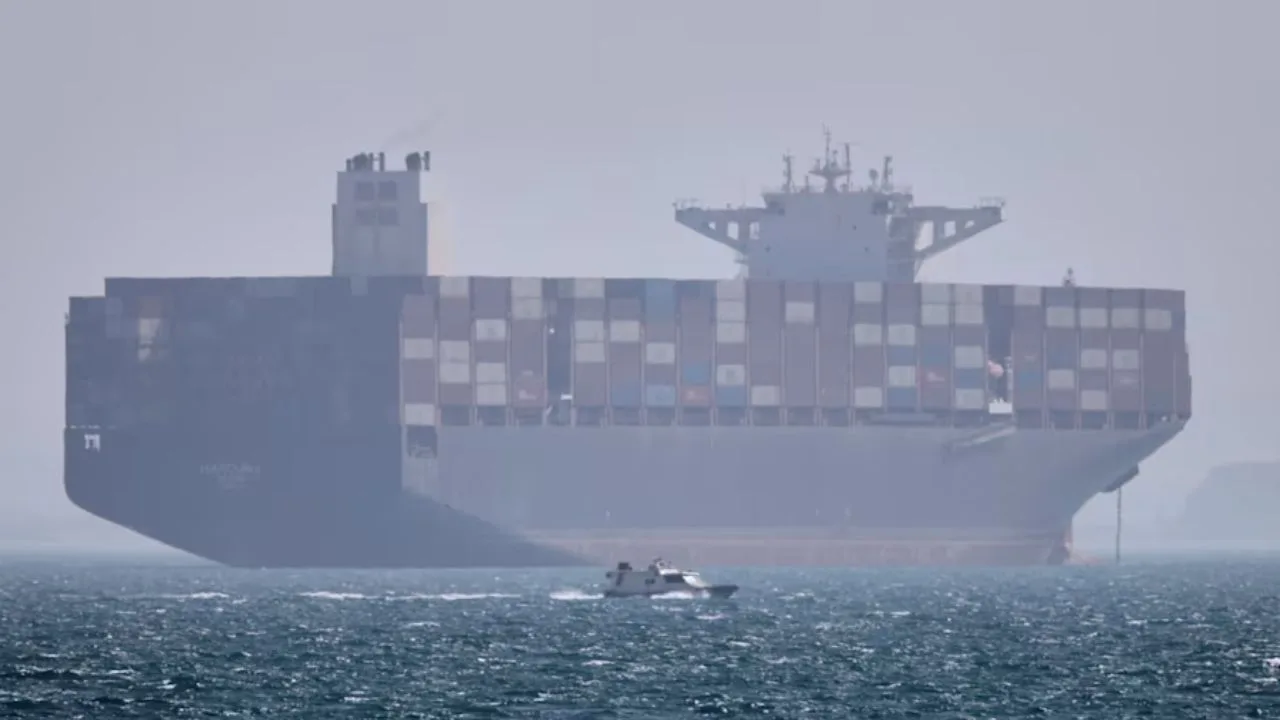
One of the key points in the agreement restricts Iran from levying tolls on the Strait of Hormuz and requires the removal of all mines from the waterway within 30 days. The Strait of Hormuz is a critical maritime channel, historically responsible for a significant portion of the world’s oil and natural gas shipments. During the conflict, Iran’s effective closure of the strait contributed to volatile energy prices worldwide. While Iran has allowed a limited number of commercial vessels to pass daily, less than a quarter of pre-war traffic, it has imposed tolls on some, triggering further sanctions from the United States.

The U.S. responded by promising a phased removal of its naval blockade on Iranian ports and a gradual easing of sanctions to enable expanded Iranian oil exports. However, this diplomatic progress has been tempered by new U.S. sanctions targeting Iran’s military oil sales faction, underscoring the complexity of the negotiations and the U.S. administration’s continued pressure on Tehran.
Amid the ceasefire extension, the nuclear issue remains at the forefront. Iran reportedly holds nearly 441 kilograms of uranium enriched up to 60 percent purity, approaching weapons-grade levels. The extended talks will initially focus on outlining terms regarding this uranium stockpile, aiming to prevent further escalation. Iranian authorities have yet to officially confirm the tentative deal, and it remains uncertain whether the U.S. president will formally endorse the agreement, as language details are still under review.
The tentative pact follows recent escalations, including missile attacks intercepted near the Persian Gulf, highlighting the volatile security situation despite ongoing negotiations. U.S. officials express cautious optimism that finalizing this agreement could lead to more stable regional conditions and a rapid decrease in oil prices currently affected by the conflict’s disruptions.