

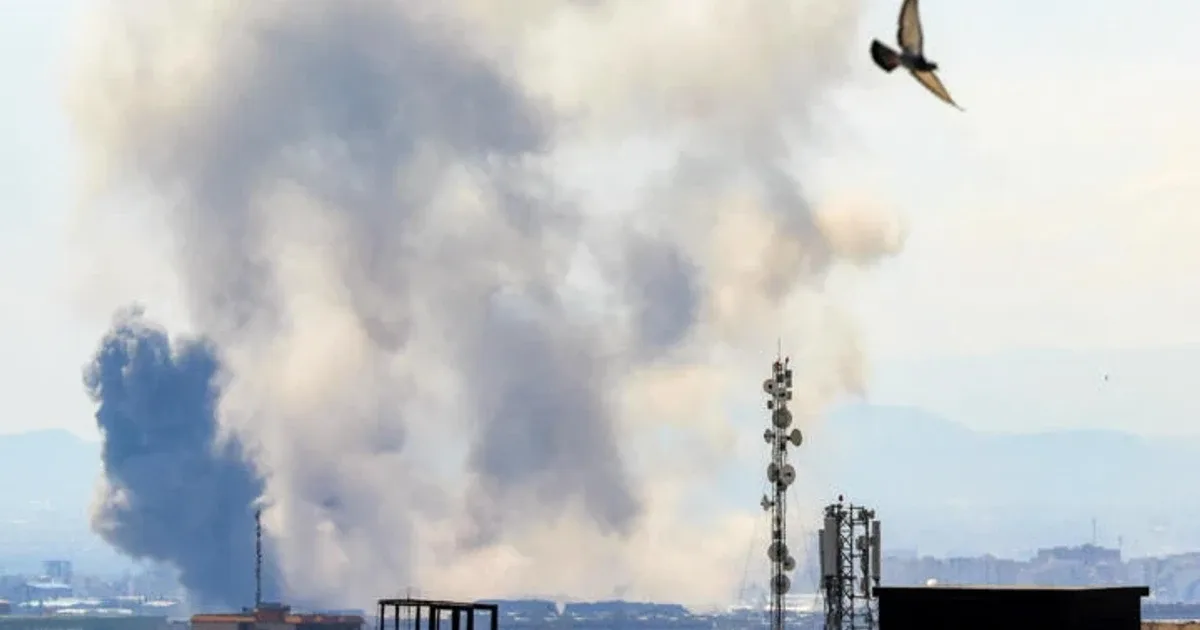
The US launched a significant round of airstrikes against Iran targeting military surveillance, communications, and air-defense systems, escalating tensions that revolve around the strategic Strait of Hormuz. This latest offensive came as a direct response to the downing of a US Army Apache helicopter near the critical maritime chokepoint, an incident that heightened fears of wider conflict in the volatile region.
Iran retaliated by conducting missile attacks on allied states including Bahrain, Kuwait, and Jordan, signaling a rapid deterioration of the fragile ceasefire that had temporarily stabilized the Middle East. Explosions were reported in Tehran and multiple locations along Iran's southern coast, underscoring the geographic spread and intensity of the confrontation.

The Strait of Hormuz—a vital passageway for a substantial portion of the world’s oil and natural gas shipments—has once again become the epicenter of this escalating conflict. Iran reaffirmed its control over the strait, a move that threatens to disrupt global energy markets and exacerbate increases in fuel prices, affecting economies far beyond the immediate conflict zones. The standoff has already contributed to rising tensions and uncertainty in global fuel supplies.
US Central Command confirmed that the joint airstrikes involved Air Force, Marine, and Navy assets and struck key Iranian radar and drone command centers, particularly those near the strait. Despite these strikes, no US naval vessels were reported damaged, while Bahrain intercepted multiple incoming missiles, indicating the high alert and defensive posture of regional actors.
This escalation marks the third series of reciprocal strikes within the week, underscoring the precarious state of the ceasefire. Meanwhile, broader regional dynamics add to the complexity. Israeli leadership has expressed intentions that could further challenge any diplomatic efforts, including aims to dismantle Iran’s nuclear capabilities and weaken its allied militant groups.
Iran’s diplomatic mission to the United Nations called on the US to refrain from further threats of force if it seeks a resolution through negotiation, highlighting the competing pressures both powers face domestically as they navigate this confrontation. With both sides unwilling to concede ground, the risk of a wider conflict remains significant.