

Talks between the United States and Iran are reportedly close to yielding a significant agreement that would bring an end to hostilities, reopen the Strait of Hormuz, and require Iran to relinquish its stockpile of highly enriched uranium, according to regional officials familiar with the matter. While timelines and finer details remain under negotiation, these elements comprise the core of a potential deal aimed at defusing a regional crisis.
Despite these developments, Iran has not formally agreed to cede its uranium reserves, a central demand from U.S. leadership. President Donald Trump has described the negotiations as largely settled but cautioned against rushing the process, emphasizing that talks continue in an orderly and constructive manner. He also highlighted improving professionalism in the U.S.–Iran relationship. The agreement has not yet been finalized or signed.

One critical aspect of the pending deal involves reopening the Strait of Hormuz, a strategic maritime chokepoint through which a significant portion of the world’s oil supply flows. The strait had been effectively closed following a surprise U.S. and Israeli airstrike on Iranian targets earlier in the year, triggering a global energy crisis marked by sharp spikes in oil and gas prices. Analysts warn that even after reopening, it will take weeks or months for shipping activity and markets to stabilize fully.
Meanwhile, the U.S. maintains a stringent blockade of Iranian ports, with President Trump affirming the blockade will persist until the agreement is fully negotiated, certified, and signed. This blockade remains a pivotal leverage point in the ongoing diplomacy.
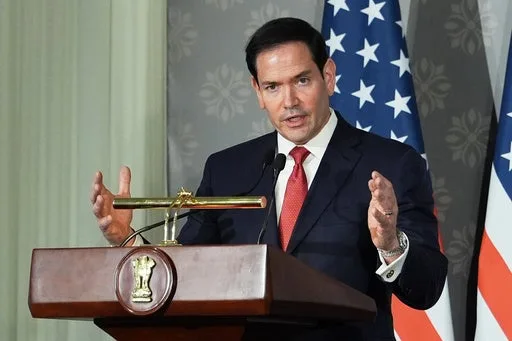
U.S. Secretary of State Marco Rubio, speaking during a visit to India, acknowledged substantial progress in the negotiations but stopped short of declaring the deal complete. He outlined that the first phase involves the strait’s full reopening, followed by Iranian commitments to three critical areas: renouncing nuclear weapons permanently, accepting long-term limits on uranium enrichment, and addressing the disposition of the existing enriched uranium stockpile.
Iranian officials have publicly reiterated their stance denying ambitions for nuclear armament. President Masoud Pezeshkian assured the international community of Iran's peaceful intent regarding nuclear technology. However, Iran’s embassy in India reaffirmed the country’s “inalienable” right to pursue nuclear technology, underscoring tensions over the interpretation of Iran’s nuclear program.
The emerging agreement reflects ongoing diplomatic efforts to resolve a complex regional conflict with broad implications for global energy markets and nuclear nonproliferation, though significant hurdles remain before a formal deal is secured and implemented.