

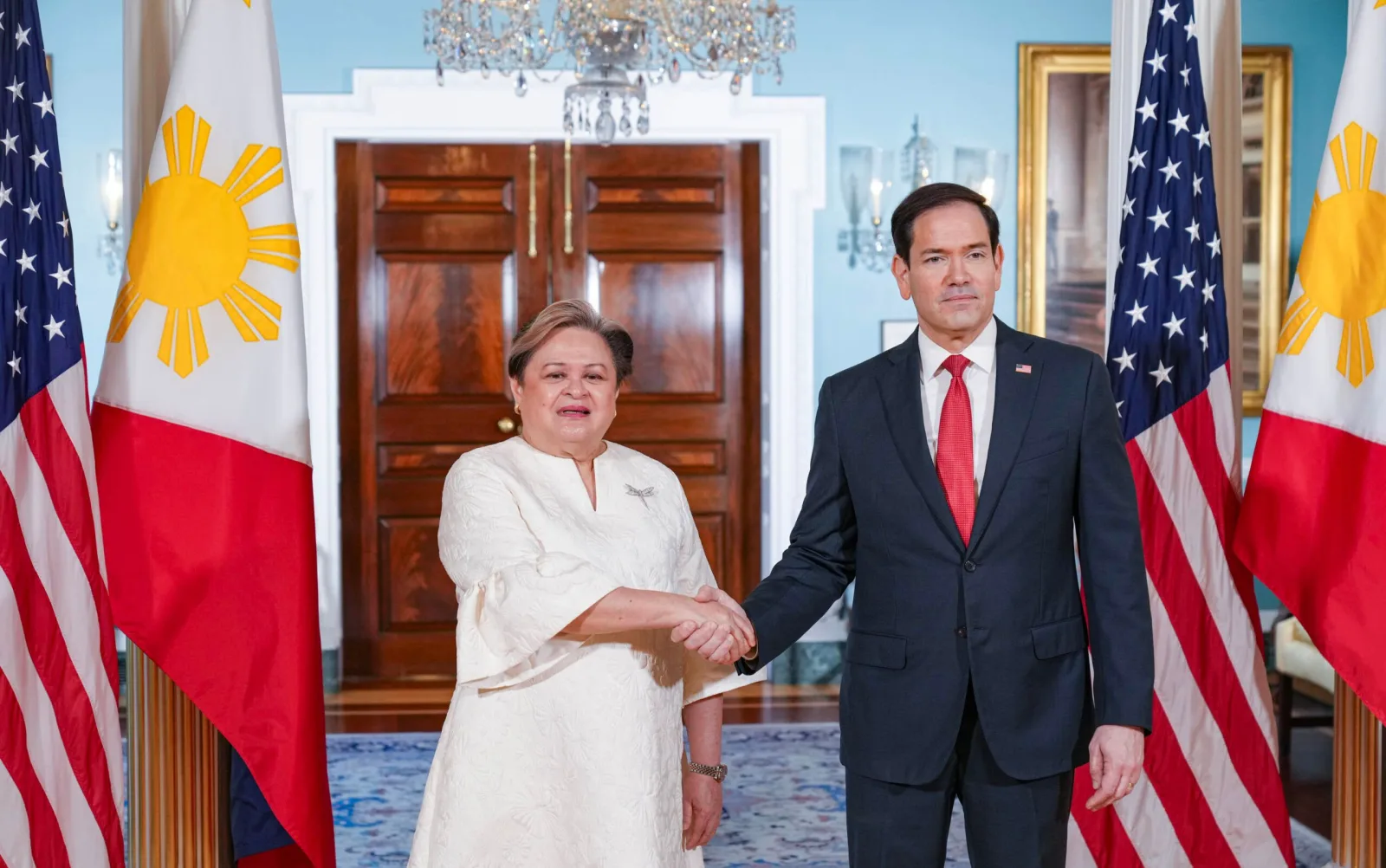
The United States and the Philippines have reinforced their partnership as they mark 80 years of diplomatic relations and 75 years as treaty allies. High-level discussions between US Secretary of State Marco Rubio and Philippine Secretary of Foreign Affairs Maria Theresa Lazaro emphasized shared priorities amid ongoing security challenges in the South China Sea.
Key topics included the Philippines’ leadership role as Chair of the Association of Southeast Asian Nations (ASEAN), economic collaboration, and efforts to address energy challenges in the region. The US reaffirmed its commitment to developing the Luzon Economic Corridor, an initiative aimed at boosting infrastructure and trade connectivity.

This diplomatic engagement follows Rubio’s recent talk with Philippine President Ferdinand Marcos Jr., where similar issues were raised, underscoring robust cooperation on security and economics. The US Department of State highlighted that both meetings aimed to advance peace and stability in Southeast Asia, particularly in contested maritime areas.
In parallel, the US House of Representatives introduced a resolution celebrating the 80th anniversary of US-Philippine relations. The measure recognizes the deep historical ties based on mutual security and economic interests since Philippine independence in 1946. It also acknowledges the significant contributions of Filipino Americans, including their frontline roles in healthcare and military service.
The resolution cites recent advances in defense cooperation, expanding trade relations, and the trilateral summit held in April 2024 among the United States, Japan, and the Philippines to enhance regional security. Trade between Washington and Manila surpassed $36.9 billion, reflecting deepening economic integration.
These ongoing diplomatic efforts underscore the strategic importance both countries place on their alliance amid increasing tensions in the South China Sea, where multiple nations contest territorial claims. The United States continues to back the Philippines as a key security partner in the Indo-Pacific, while supporting ASEAN’s role in fostering regional stability.