

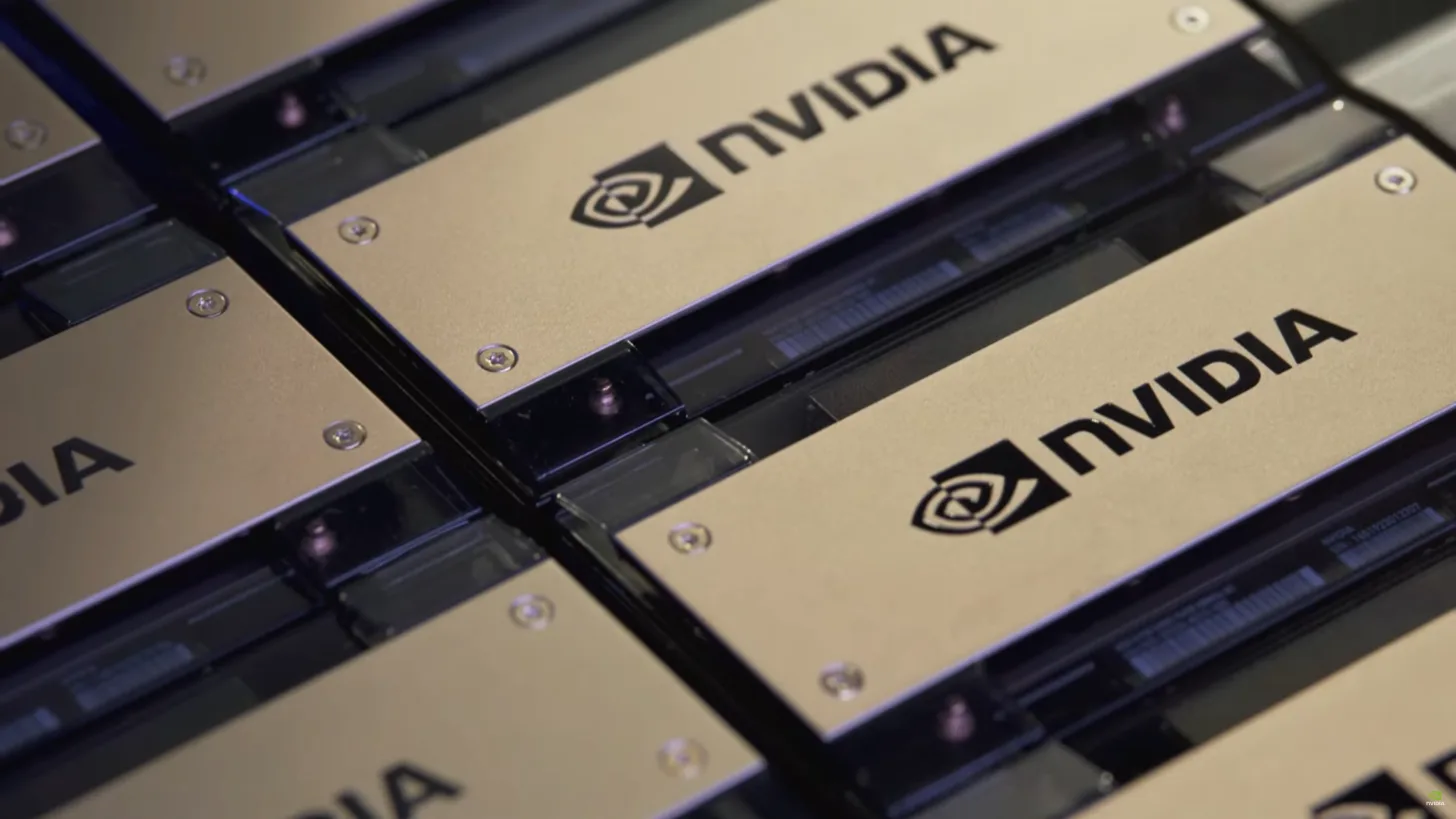
NVIDIA’s H200 AI GPUs have begun reaching Chinese and Hong Kong ports, according to senior U.S. officials, signaling a notable shift in American export policy toward advanced semiconductor technology. While shipments remain limited, this development represents the first official return of the H200 GPU to China after a period of stringent trade restrictions.
These shipments follow a policy change announced after a high-profile meeting between U.S. and Chinese leaders, accompanied by prominent technology executives. The new export approvals specifically target a select group of top Chinese AI companies, allowing them to purchase a capped number of H200 chips to support their artificial intelligence research and development efforts.

The initial permitted recipients include major industry players such as Alibaba, Tencent, ByteDance, JD, and DeepSeek. Earlier reports estimated that up to 75,000 H200 units would be authorized for sale, though recent updates indicate this figure may rise to 200,000. Despite these allowances, the actual number of H200 GPUs delivered so far remains very small compared to demand, reflecting a cautious approach by U.S. authorities.
The H200 GPU, part of NVIDIA’s Hopper architecture, was originally restricted under U.S. export controls aimed at limiting China’s access to advanced AI-capable hardware. Earlier attempts to introduce export-compliant variants for China, like the H20 GPU, faced regulatory and market challenges, leading NVIDIA to halt their production for Chinese clients. Meanwhile, black market and smuggling channels continued to provide some access to Hopper GPUs in China despite the ban.
While the newer Blackwell generation GPUs remain barred from export to China, the limited reintroduction of the two-generation-old H200 chips demonstrates a calibrated relaxation of technology export policies amid evolving geopolitical and economic considerations. NVIDIA’s CEO has noted that even these small official shipments improve the company’s market presence in China from zero.
Further technological developments indicate that NVIDIA is also preparing to ship CPUs based on its upcoming Vera Rubin platform to China. Unlike GPUs, these CPUs currently face no export restrictions, recognizing an ongoing shift in AI hardware demand toward CPU-driven architectures.