

The U.S. has suspended arms sales to Taiwan, marking a significant change in American policy toward the island as the administration focuses military resources on ongoing operations in the Middle East. This pause affects a pending $14 billion arms deal approved by Congress and a backlog of nearly $30 billion worth of previously authorized but undelivered weaponry.
The decision follows comments from senior government officials revealing that munitions are being conserved for the U.S. campaign against Iran, known as Epic Fury. At a recent congressional hearing, the acting Secretary of the Navy cited this operational demand as a key reason for the hold on Taiwan’s weapons shipments.

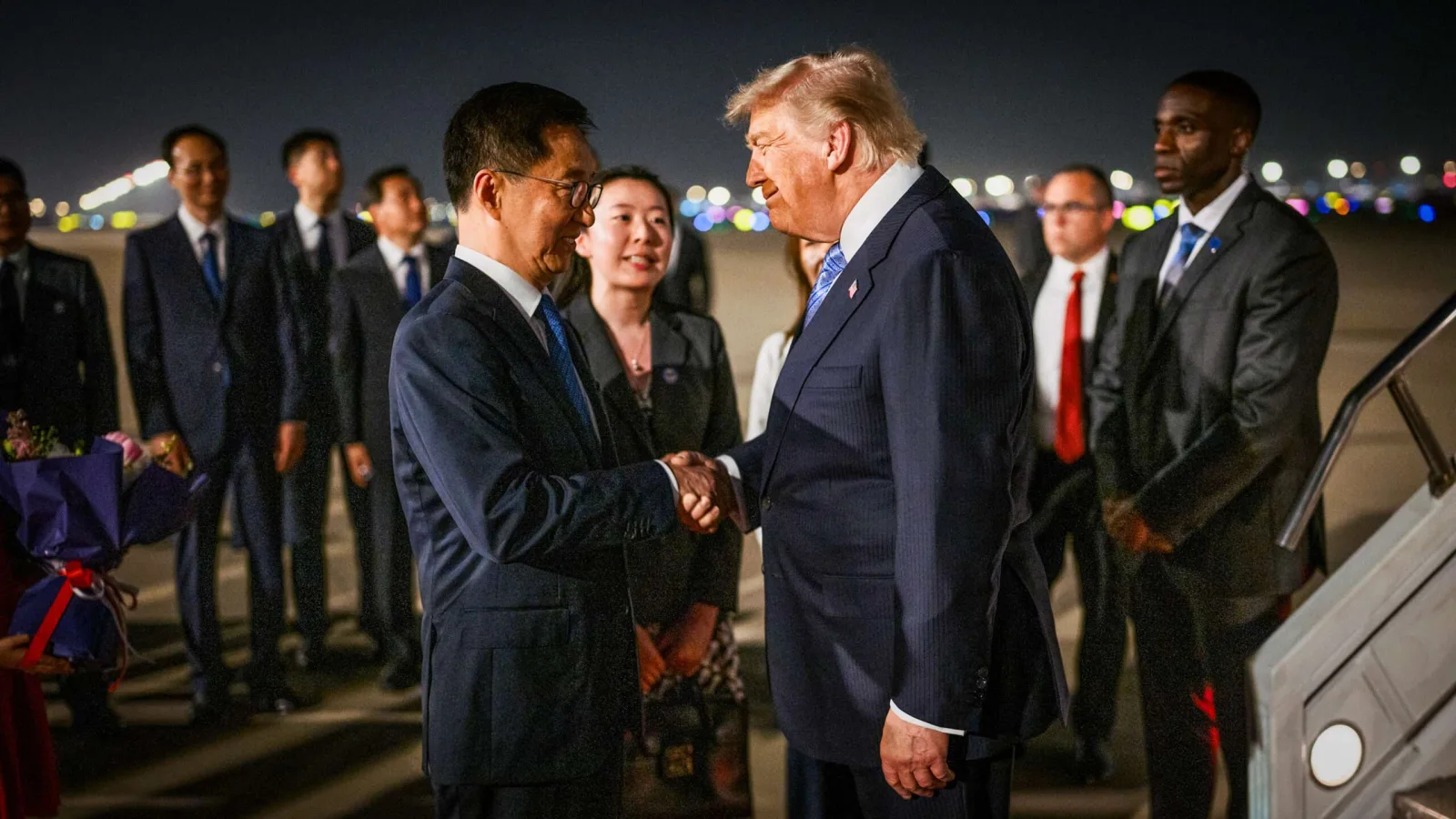
President Donald Trump framed the suspension as a strategic tool in diplomatic talks with China, describing arms sales to Taiwan as a bargaining chip to encourage de-escalation in cross-strait tensions. Following a meeting with Chinese President Xi Jinping, Trump indicated a desire to reduce the risk of conflict by cooling tensions on both sides.
This policy shift contrasts sharply with previous U.S. administrations, under both Trump’s first term and his successor, Joe Biden, which viewed China’s ambitions regarding Taiwan as a foremost geopolitical threat. The move reflects an effort to contain tensions with China while diverting focus and resources toward smaller-scale conflicts in the Middle East and Latin America.
Taiwan’s defense is now in a limbo, awaiting the administration’s decision on the unresolved arms packages. The bulk of the delayed sale reportedly centers on air defense ammunition, a critical capability given the recent high consumption of missile interceptors during combat operations in the region.
Chinese officials had opposed any U.S. military engagement with Taiwan ahead of the Trump-Xi meeting, warning that disputes over the island could escalate into extremely dangerous conflict. The U.S. government’s current approach tacitly acknowledges Chinese concerns while aiming to maintain strategic leverage without triggering confrontation.
The Taiwan-China dispute originated with the 1947 revolution and remains a core issue in U.S.-China relations. This recalibration under the Trump administration indicates a de-prioritization of Taiwan in favor of pressing challenges elsewhere, with arms sales used as diplomatic currency in efforts to manage an increasingly complex global security environment.