

The United States has expanded its sanctions on Iran by focusing on the Persian Gulf Strait Authority, a newly established Iranian agency that attempts to regulate and control maritime transit through the strategic Strait of Hormuz. This move comes as part of a broader campaign applying economic pressure alongside military actions during the ongoing regional conflict.
The Strait of Hormuz is a critical maritime chokepoint where roughly one-fifth of the world’s oil and natural gas shipments pass. Iran’s creation of an authority to oversee shipping, including levying tolls reportedly reaching up to $2 million per vessel, marks an assertive effort to dominate the corridor. Iran’s Revolutionary Guard has defended this initiative, insisting the corridor’s designated route is the only safe passage and warning that ships deviating from it risk attacks.

The latest sanctions followed US military strikes targeting Iranian facilities after Iran deployed attack drones, reflecting escalating tensions. US forces also conducted “self-defense” strikes on missile launchers and boats planting sea mines, actions that further complicate diplomatic efforts to end the conflict that began following US and Israeli operations earlier this year.
The economic measures specifically target the newly formed Persian Gulf Strait Authority and anyone cooperating with it, aiming to curb Iran’s attempts to extort money from international maritime trade. These sanctions add to a US blockade on Iranian ports that has lasted more than a month.
The disruption of shipping through the strait has caused significant energy price increases worldwide, putting political pressure on US leadership amid approaching congressional elections. Analysts warn that reopening and stabilizing shipping lanes could take weeks or months, prolonging the global energy market turmoil.
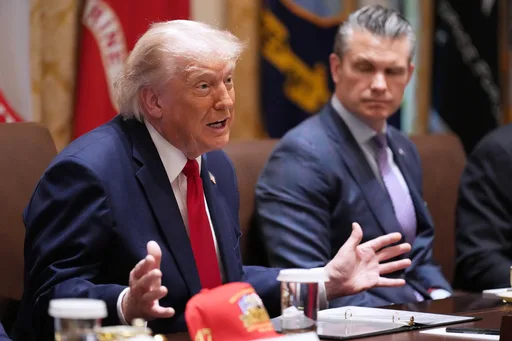
Despite these intensified pressures, diplomatic talks continue between Washington and Tehran. President Donald Trump described Iran's negotiating position as tenuous but indicated that both sides are nearing a deal, though no agreement has been signed. The administration maintains that the current blockade and sanctions will remain fully enforced until an acceptable resolution is officially reached and certified.