

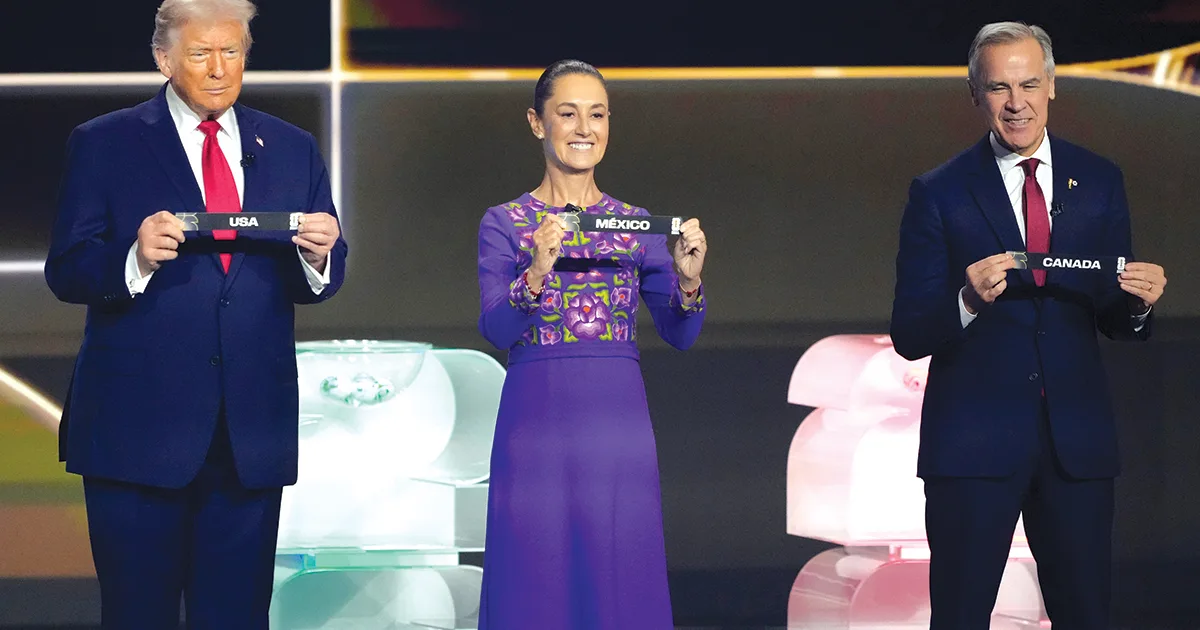
The United States, Mexico, and Canada appear set to miss the July 1 deadline to renew the United States-Mexico-Canada Agreement (USMCA), raising the prospect of prolonged negotiations and uncertainty over trade rules for key sectors like autos and steel. Instead of a long-term extension, the agreement will transition into rolling annual reviews if the three countries do not reach a consensus.
The USMCA, which governs nearly $2 trillion in annual trade among the three nations, originally included a clause allowing a 16-year extension. However, sources familiar with the talks indicate the deadline will pass without a joint renewal, despite the pact remaining in effect until at least 2036 unless one country withdraws. This will open a period marked by ongoing discussions and potential tariff disputes.

As formal trilateral renewal negotiations stall, the US has initiated separate bilateral talks with both Canada and Mexico to address specific trade irritants. These issues extend beyond the core USMCA framework, prompting considerations for side agreements designed to resolve disputes without amending the main treaty text. Such side deals could focus on contentious areas including automotive manufacturing rules and steel tariffs.
The high economic stakes intensify the negotiation dynamics, as Canada and Mexico rank among the largest markets for US exports. While USMCA-compliant goods have largely escaped new tariffs imposed during the Trump administration, recent duties on autos and steel have strained relationships and spurred retaliatory measures. US Trade Representative Jamieson Greer has emphasized that the US will not automatically approve a deal extension, signaling a tougher stance in current talks.
Negotiations between the US and Mexico have advanced to a third round of formal discussions scheduled for mid-July. Meanwhile, engagement with Canada has remained more informal, although recent meetings between Canadian trade officials and US representatives suggest efforts to bridge differences continue. The Canadian minister responsible for US trade has publicly indicated that the July 1 deadline should not be perceived as a hard cutoff, acknowledging the complex nature of ongoing talks.