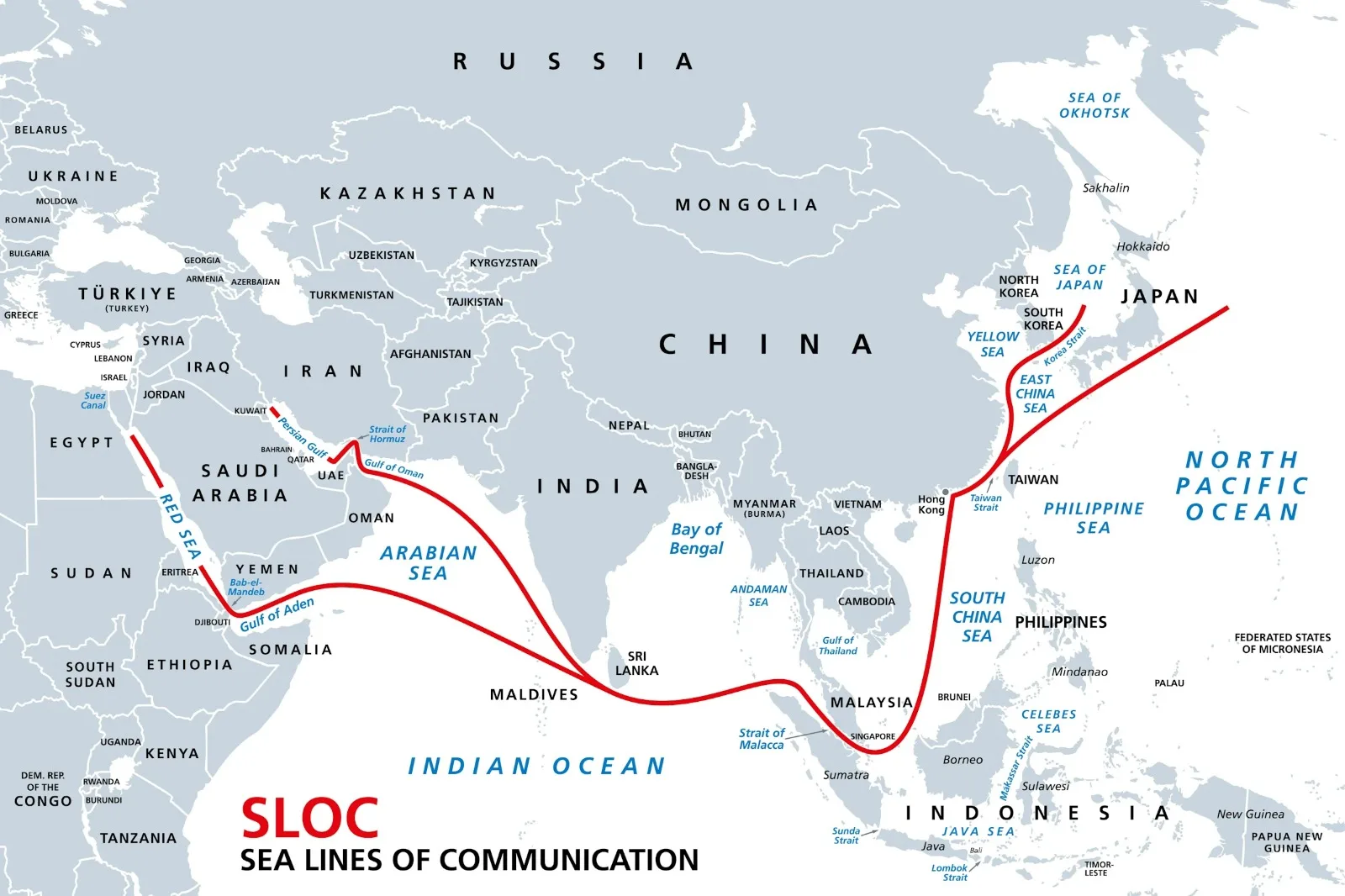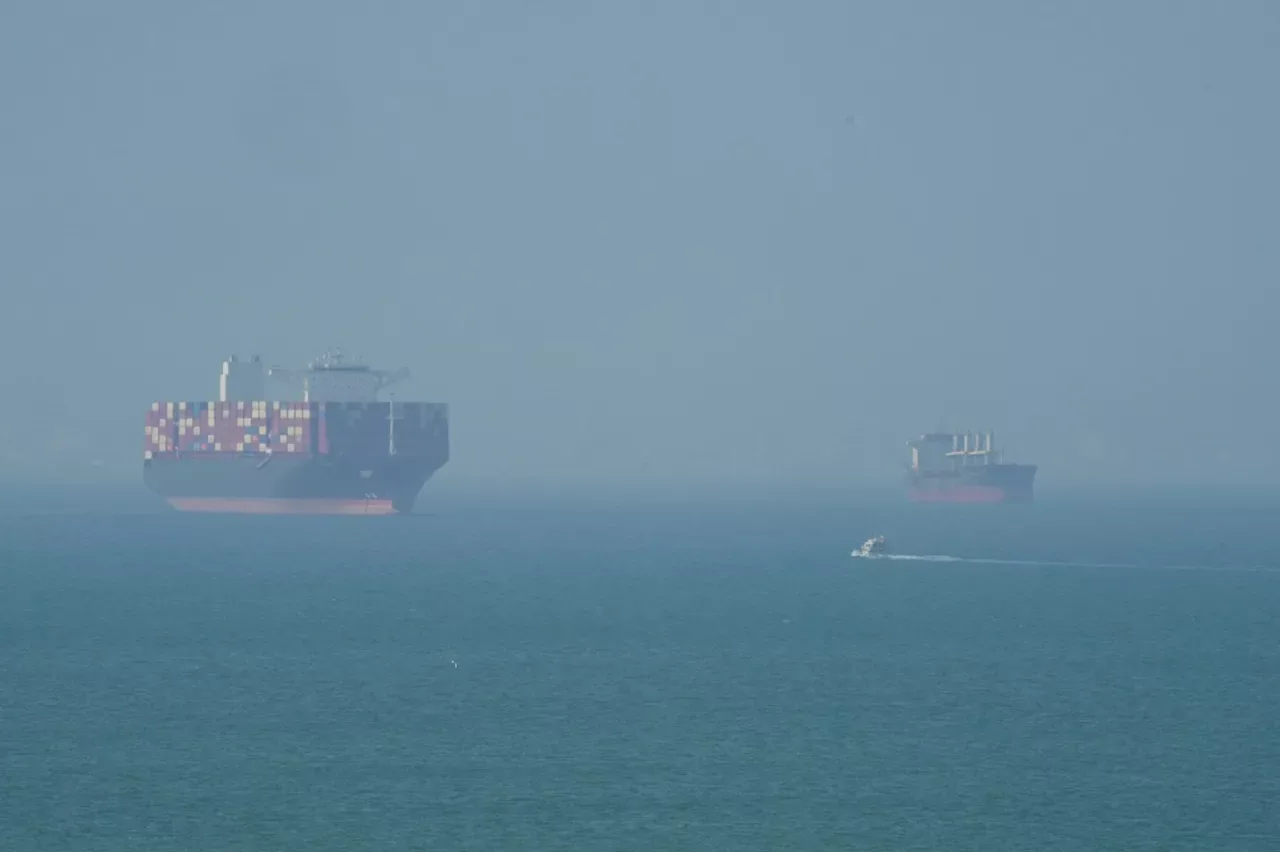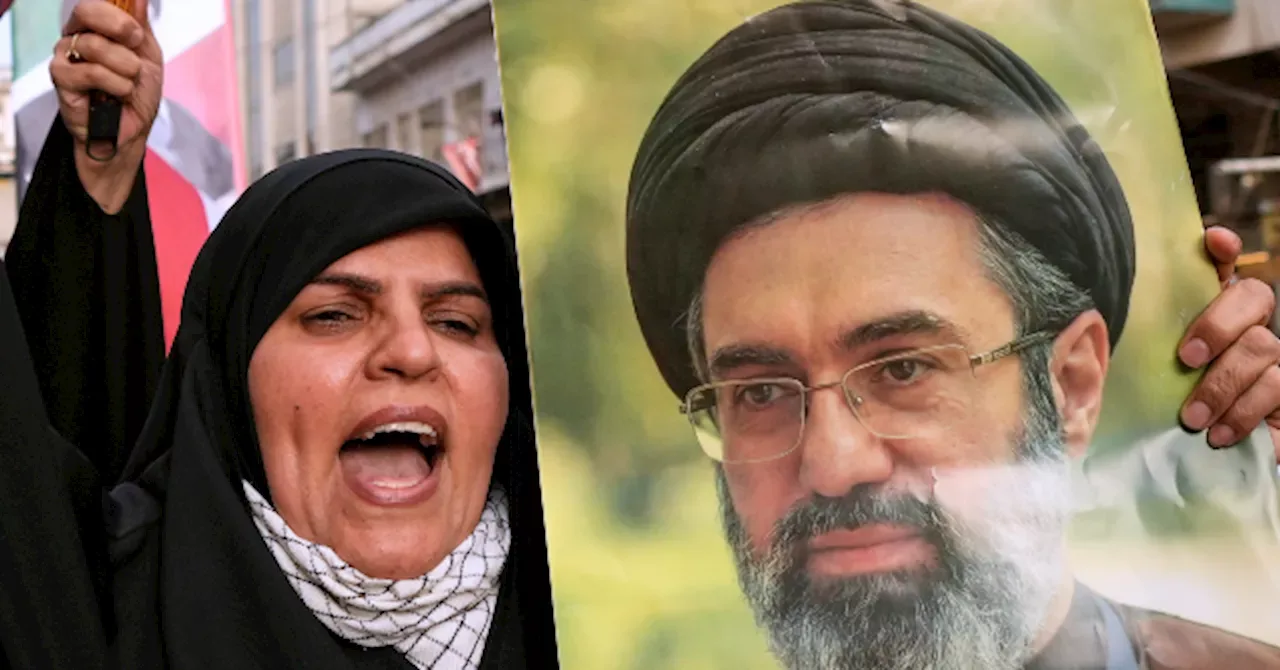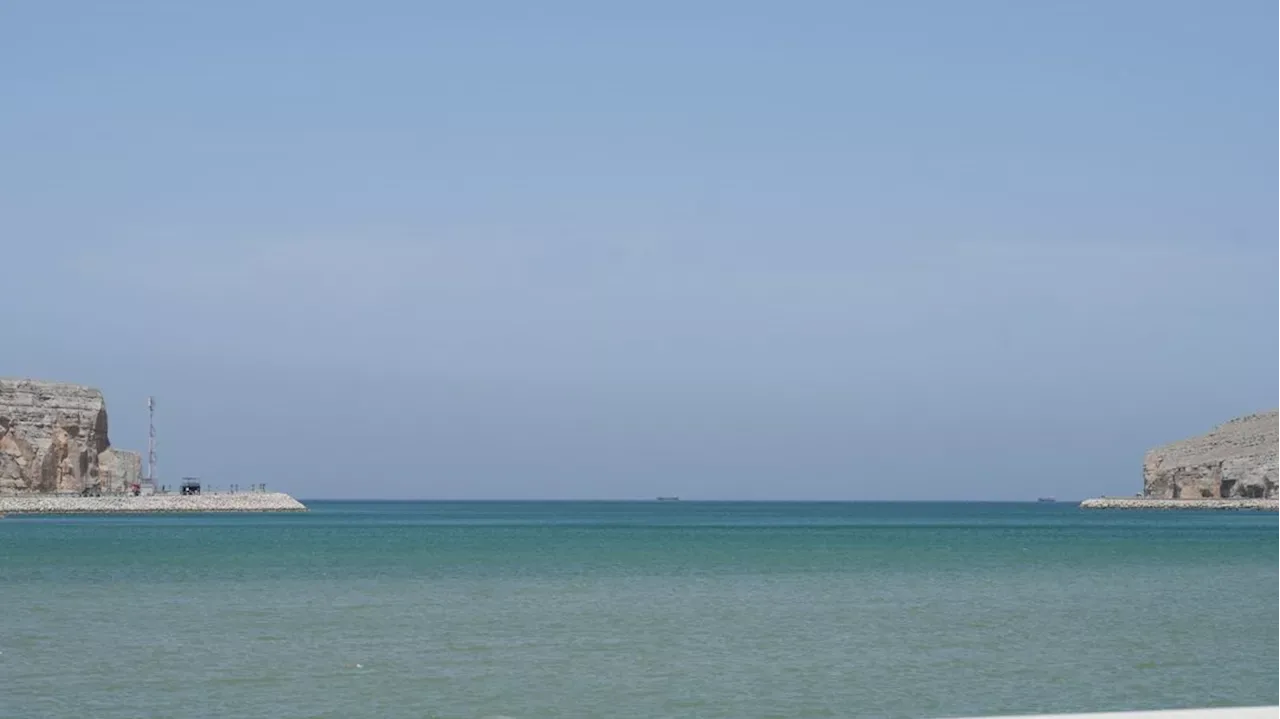
Tehran submitted a 14-point revised proposal to Washington on Thursday outlining the terms for a potential deal. According to two sources briefed on the document, the plan establishes a strict timeline to secure an agreement covering maritime access, the end of the US naval blockade, and a lasting ceasefire in both Iran and Lebanon.
The Iranian proposal envisions a two-phase negotiation process. An initial phase would address immediate concerns around naval access and the blockade. Only after that agreement is finalized would a second phase begin, dedicating an additional month to discussions focused on Iran's nuclear program.

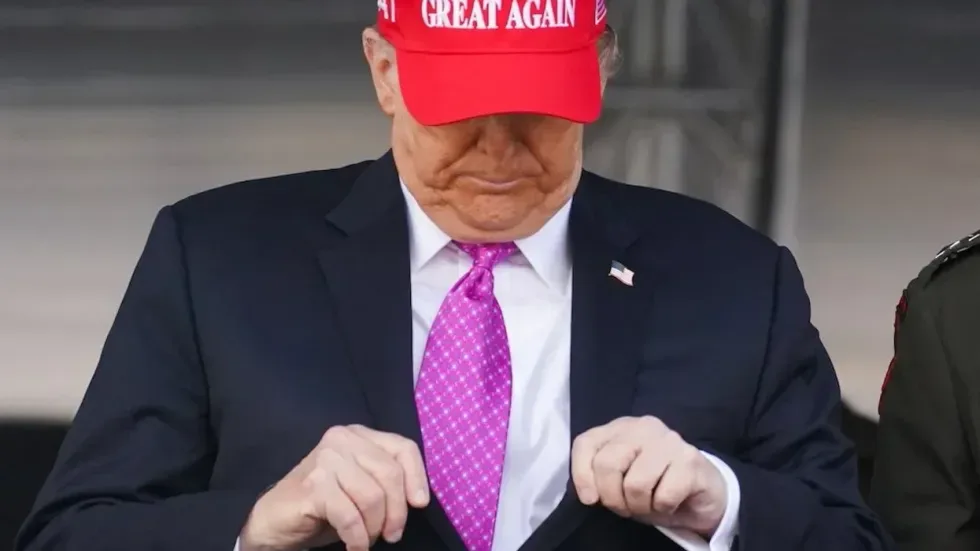
President Donald Trump indicated Saturday that he would review the proposal while traveling from Palm Beach to Miami. "I'm looking at it. I'll let you know about it later," he told reporters, adding that officials had explained the concept of the deal and would provide him with exact wording.
Trump's public posture toward the Iranian proposal remained mixed. On Friday, he expressed dissatisfaction with the terms. But by Saturday, he suggested he would give it genuine consideration during his flight. Hours later, however, he struck a sharper tone on his Truth Social platform, stating he could not imagine the proposal would be acceptable and asserting that Iran "has not yet paid a big enough price for what they have done to humanity and the world over the last 47 years."
When asked whether he could order new military strikes against Iran, Trump told reporters: "If they misbehave, if they do something bad, but right now, we'll see. It's a possibility that could happen, certainly."
Trump also characterized the existing naval blockade on Iranian ports as "very friendly" and disputed in nature, maintaining that the measure does not contradict his assertion that hostilities have been "terminated."