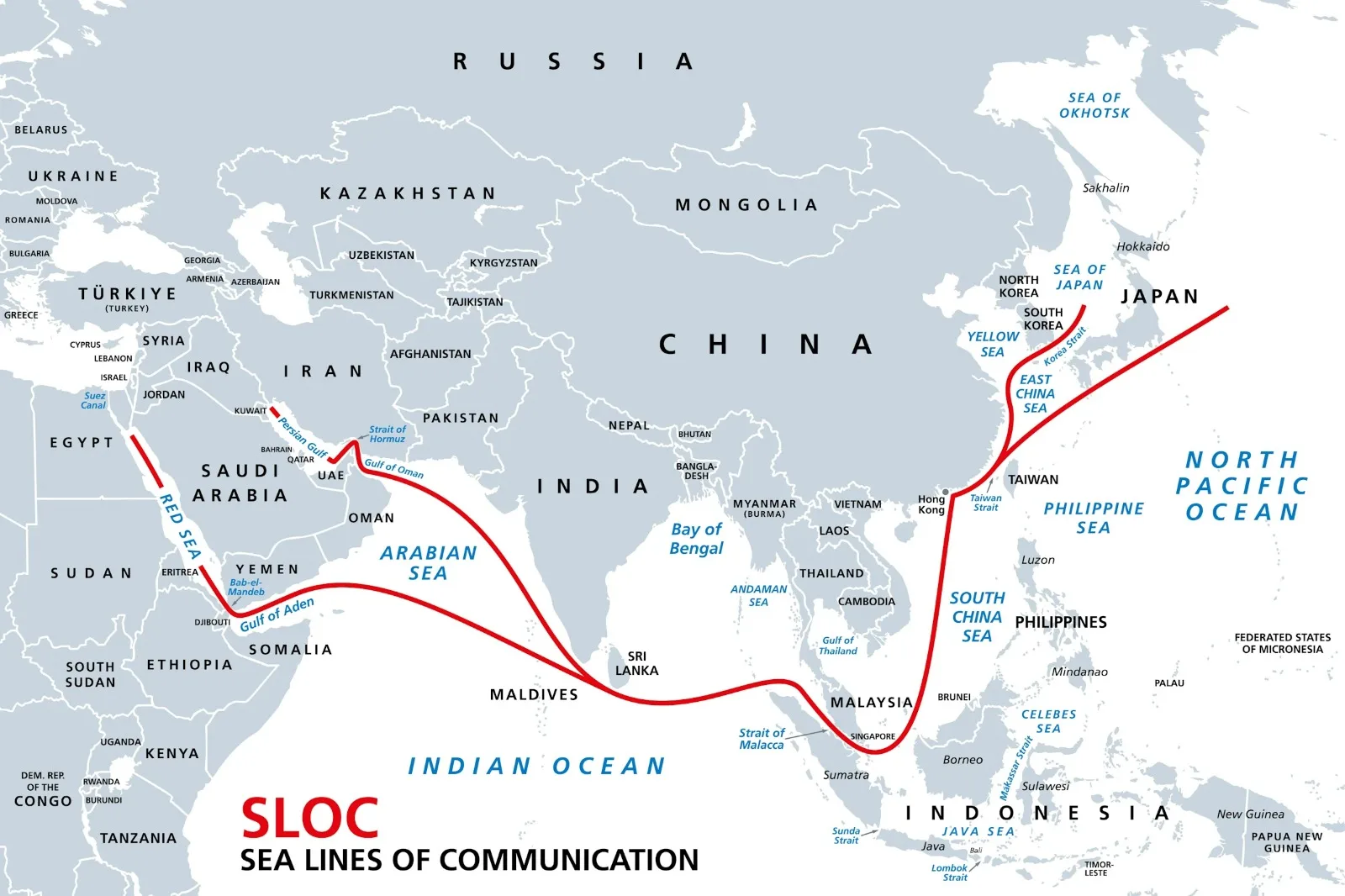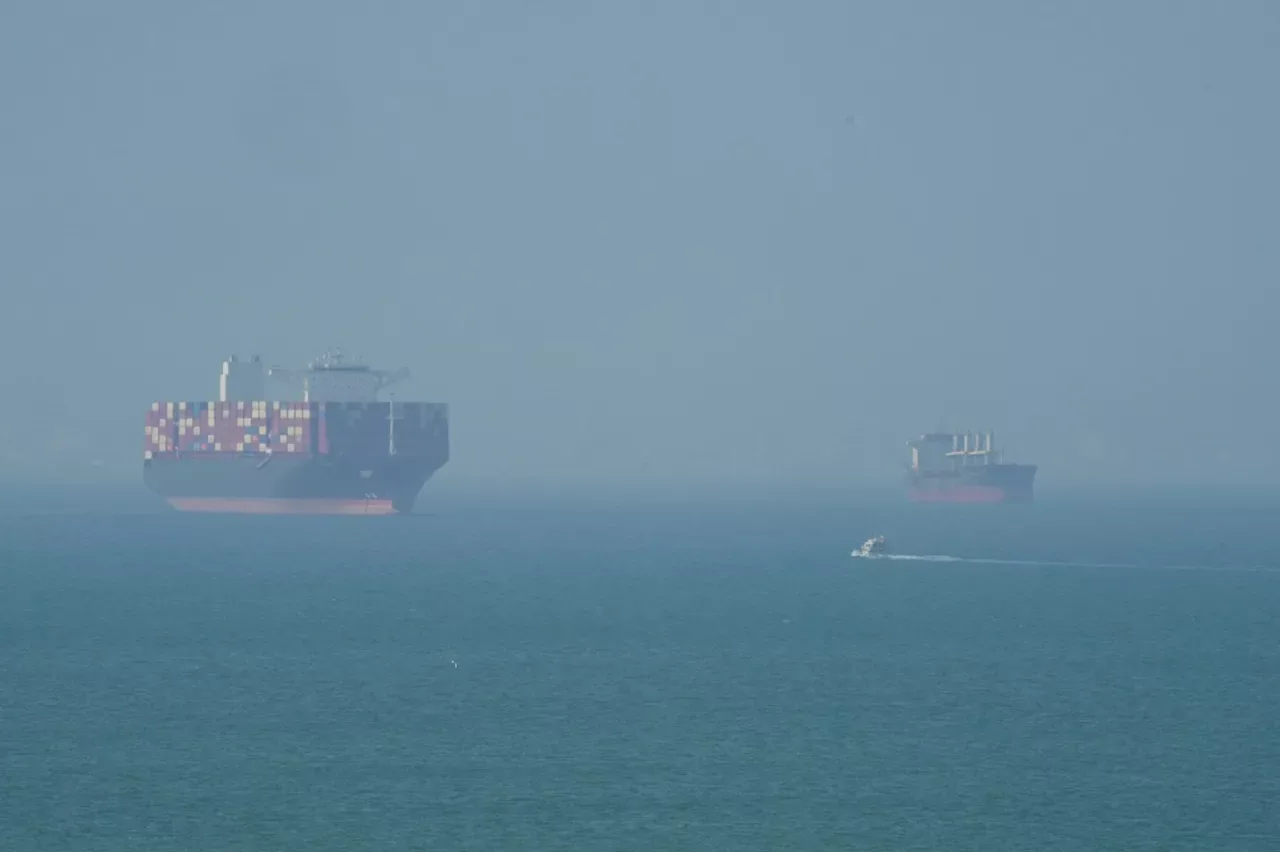
The U.S. military has been enforcing what it calls Operation Economic Fury in the Strait of Hormuz, a three-week campaign designed to restrict Iran's oil exports and create leverage in stalled negotiations between Washington and Tehran. According to Pentagon officials cited by reporting, the blockade has cost Iran approximately $4.8 billion in lost oil revenue, the U.S. military announced on Saturday.
Since the operation began on April 13, U.S. Central Command has redirected 48 vessels back to port to enforce compliance with the blockade, an increase of three ships from the previous day. Acting Pentagon press secretary Joel Valdez stated Friday that the blockade was "operating with full force and delivering the decisive impact we intended," adding that it was "inflicting a devastating blow to the Iranian regime's ability to fund terrorism and regional destabilization."

The operation comes as talks between U.S. and Iranian negotiators have reached an impasse. President Trump told reporters Friday that while Iran had made progress in recent discussions, internal divisions within Iranian leadership and the terms presented made negotiations difficult to advance. Trump characterized Iran as divided between "hardliners" and "moderates" unable to agree on negotiating goals and strategy, which he said had prevented Iran from presenting a unified position.
The blockade has created ripple effects across the Persian Gulf region. Several Gulf states have declared force majeure—a legal provision releasing parties from contractual obligations due to unforeseen circumstances—citing damage to energy infrastructure from Iranian attacks. Kuwait, which declared force majeure two weeks prior, exported zero barrels of crude oil for the first time since the Gulf War, though the country continues oil production that is diverted to storage and refining operations. Qatar halted liquefied natural gas production after Iranian strikes on energy facilities early in the conflict, while Bahrain declared force majeure on gas exports. Iranian attacks have also targeted aluminum production facilities in the United Arab Emirates, with the full extent of damage remaining unclear.