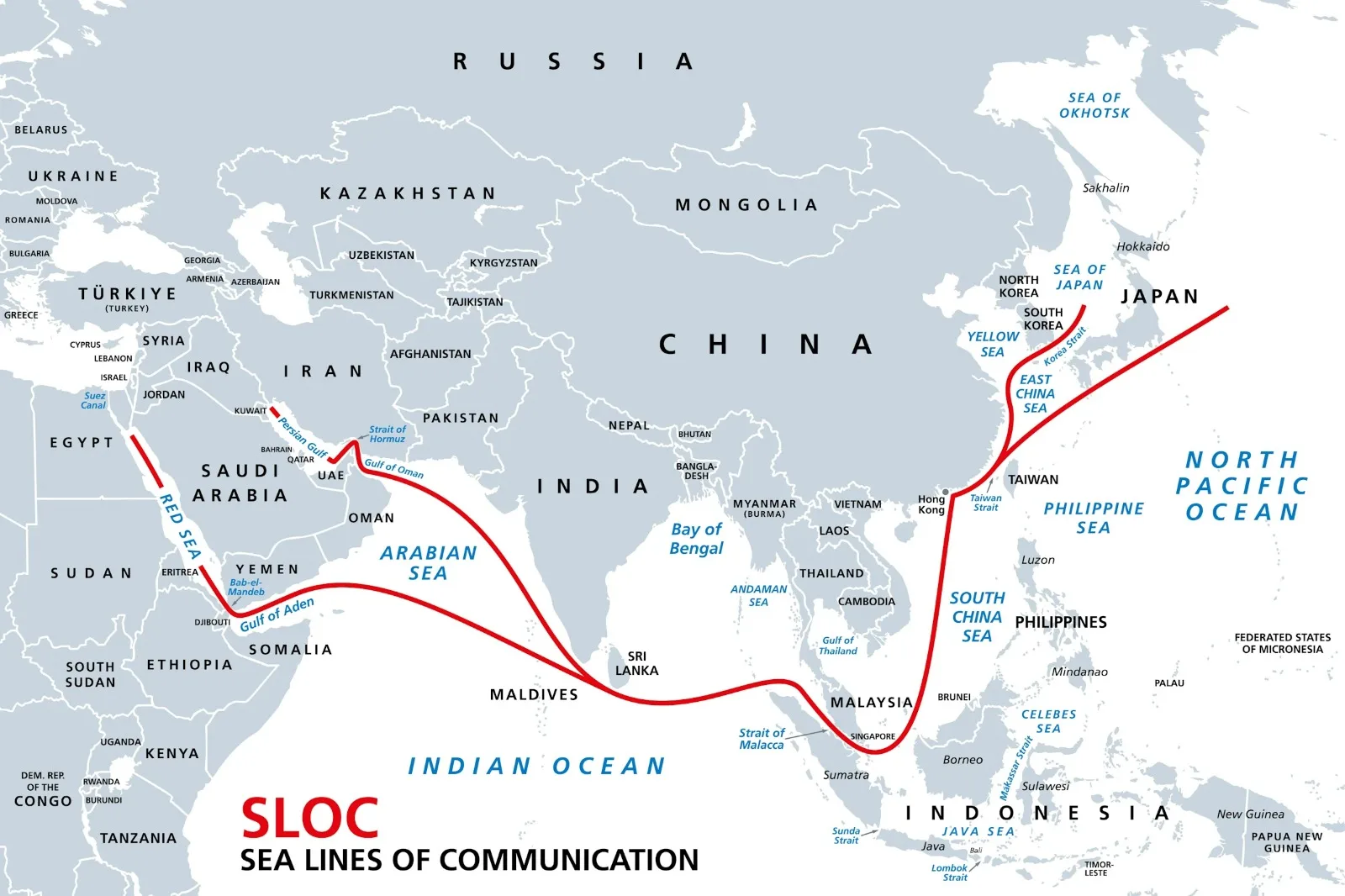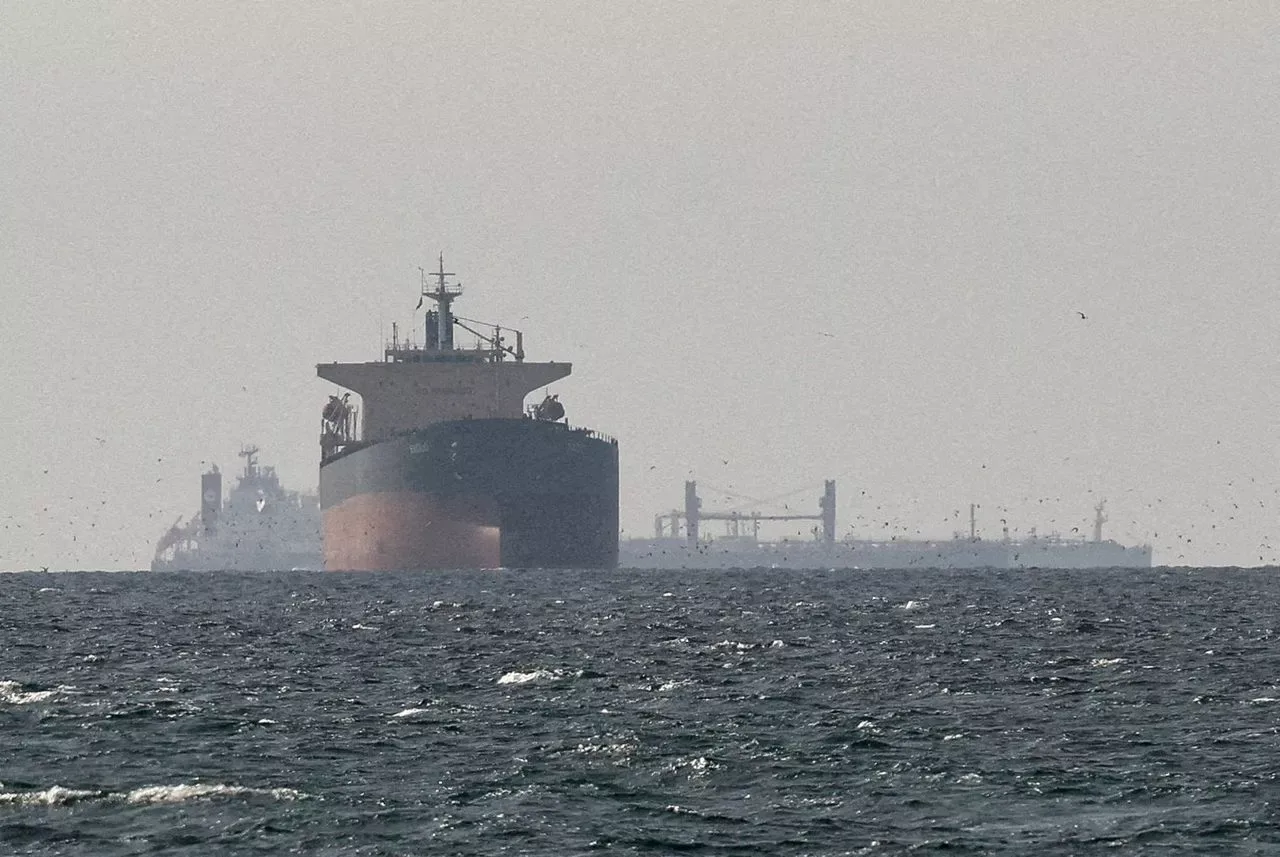
U.S.-Iran negotiations have reached an impasse as the military conflict enters its 61st day, with the Trump administration reportedly preparing for an extended blockade of Iranian ports to increase pressure on Tehran. President Trump expressed skepticism Monday about Iran's good-faith commitment and has rejected its central proposal to reopen the Strait of Hormuz in exchange for shelving nuclear discussions. Iran, meanwhile, has refused Trump's demand that it cease all nuclear enrichment activities.
According to Drop Site News co-founder Jeremy Scahill, the Trump administration is promoting what he characterizes as a "total propaganda narrative" about the state of negotiations. Scahill's reporting indicates that Iran is not adjusting its position in response to American pressure, but rather establishing its own conditions through regional mediators. Iran has made clear it will enter direct talks with the United States only after President Trump lifts what Iran considers an illegal military naval blockade in the Strait of Hormuz. Following that, Iran would hold initial discussions about expanding commerce through the strait before returning to nuclear negotiations.

Scahill reports that the Iranian government views the Trump negotiating team as technically unprepared for complex discussions. Iran has expressed particular concern about the involvement of Jared Kushner and Steve Witkoff, according to sources Scahill interviewed. The Iranian position reflects what Scahill describes as a belief that time favors Tehran: the country maintains it possesses military capability, access to alternative markets through partnerships with Russia, Pakistan, and China, and sees approaching U.S. midterm elections as factors working in its favor.
The Trump administration's messaging has included claims that Iran is in economic collapse and desperate to reopen the strait. However, these characterizations have not resonated with markets or international observers. German Chancellor Friedrich Merz stated Monday that he had become disillusioned with the U.S. and Israel, saying the Trump administration was being outwitted and "humiliated."
Iran's foreign minister, Abbas Araghchi, completed a strategic tour of Pakistan, Oman, and Russia last week, during which he met with President Vladimir Putin. The meetings reinforced what Scahill describes as Iran's preparation for a scenario in which no near-term agreement with the United States materializes. Pakistan announced immediately after Araghchi's visit that it would facilitate expanded transit of third-country goods destined for Iran, effectively countering Trump's stated aim of strangling the Iranian economy.
Scahill reports that senior Iranian officials believe the most likely long-term outcome is continued low-intensity tension rather than a major agreement. The Iranian Red Crescent Society submitted evidence to the International Criminal Court documenting what it characterized as U.S.-Israeli war crimes, estimating over 132,000 civilian structures were bombed across Iran, including hospitals, universities, and research facilities.