

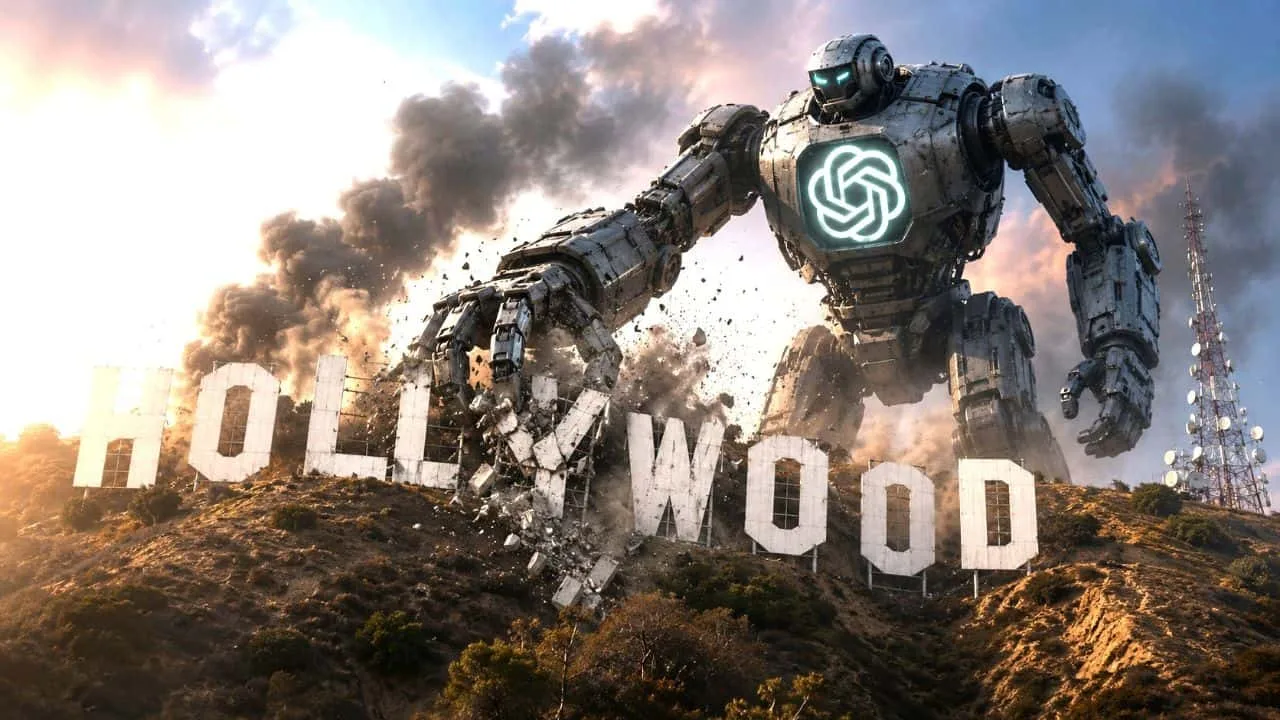
The ongoing lawsuit filed by Warner Bros. against the AI company Midjourney centers on allegations of widespread copyright infringement through AI-generated images replicating iconic characters like Superman. Warner Bros. contends that Midjourney’s technology unlawfully uses protected content by creating images that closely mimic existing copyrighted works, including precise backgrounds and character depictions from their franchises.
Midjourney has responded by invoking the legal doctrine of fair use, arguing that their creations qualify under this exemption. Moreover, they have demanded full transparency regarding Warner Bros.’ own utilization of AI technologies. According to Midjourney’s legal team, if the studio employs AI in ways that also infringe on intellectual property—or uses data appropriated without permission—it could undermine their entire case. This tactic raises questions about what fair use means in an era when both content creators and AI developers increasingly rely on vast datasets scraped from existing works.

The court has already limited Warner Bros.’ obligation to disclose AI-related practices to consumer-facing applications, but Midjourney has filed a motion seeking to overturn this narrow scope. They request comprehensive disclosure of Warner Bros.’ AI activities, including internal uses such as marketing or production enhancements. This litigation could set a precedent forcing major studios to reveal how extensively they incorporate AI, potentially exposing contradictions if they accuse others of infringement while simultaneously depending on AI-generated content themselves.
The dispute highlights a key tension in the entertainment industry’s relationship with AI. While studios face legal pressure to protect intellectual property, they are also adopting AI tools to streamline filmmaking, marketing, and content creation. The outcome may reshape how copyright law adapts to generative AI, influencing the boundaries between innovation, plagiarism, and fair use in creative industries.