

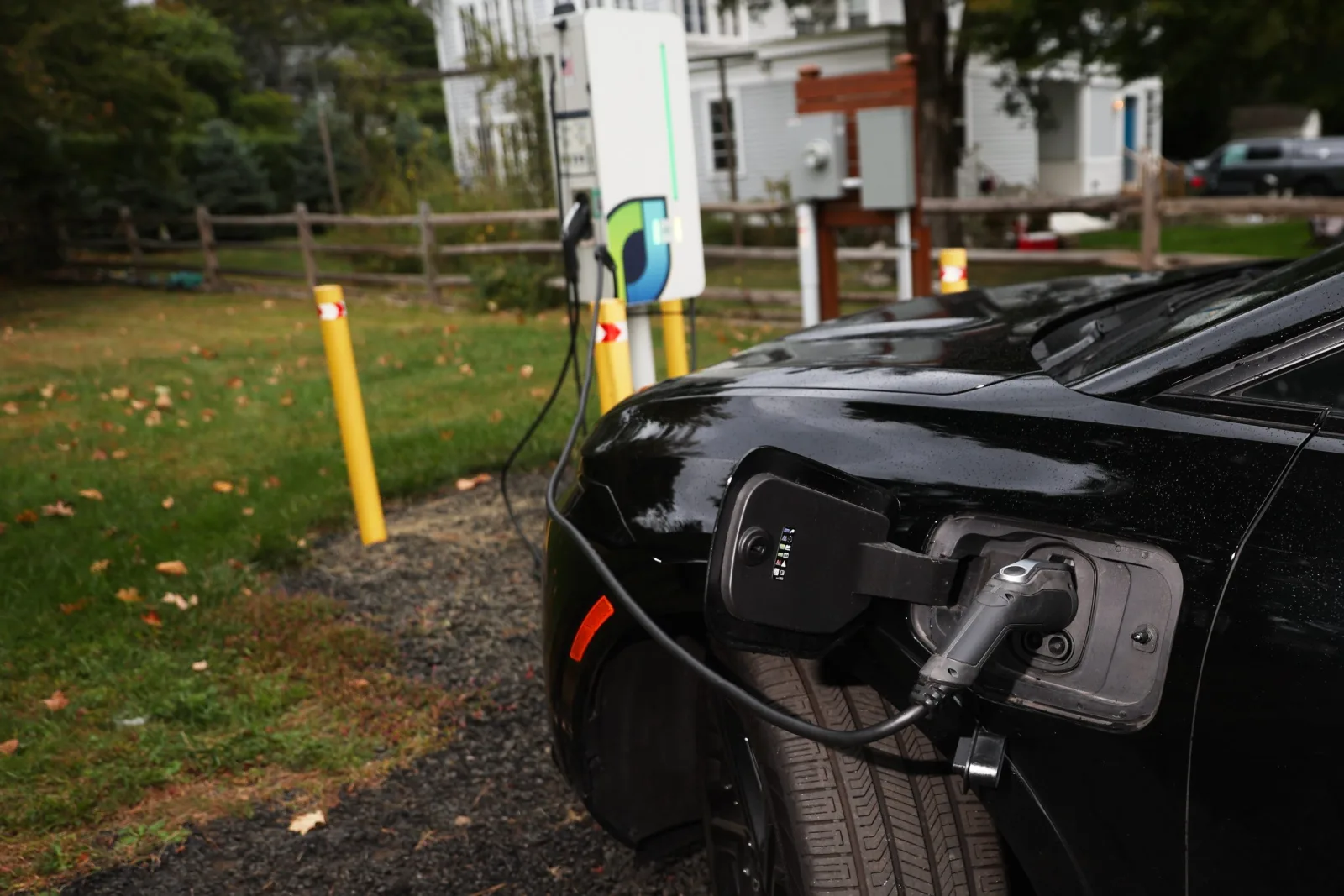
Connecticut’s air quality remains critically poor, with most counties receiving failing grades for ozone and particulate matter pollution, putting hundreds of thousands of children at risk. The transportation sector, a major source of these emissions, accounts for roughly 40% of the state’s greenhouse gases and 70% of nitrogen oxide, which contributes heavily to smog formation. Despite this, the state’s current strategy to plug funding gaps through an electric vehicle (EV) tax misses the full picture of the challenges ahead.
Electric vehicles are widely seen as central to reducing pollution. Studies published in reputable journals like The Lancet show that increased EV adoption correlates with significant declines in air pollutants such as nitrogen dioxide, a key smog precursor. For example, regions with high EV use demonstrated tangible improvements in air quality, and full adoption models predict a potential 61% reduction in nitrogen dioxide levels. This underlines the importance of EVs in health and environmental policy, considering that poor air quality is linked to thousands of excess deaths and serious health conditions annually in Connecticut.

However, the funds currently supporting Connecticut’s Special Transportation Fund show serious shortfalls. These deficits stem partly from advances in fuel efficiency and legislative choices that have not kept pace with evolving transportation trends. The federal Corporate Average Fuel Economy standards and California’s stricter regulations have driven nearly 40% improvements in fuel efficiency over the last quarter-century, meaning vehicles consume less gasoline overall. Meanwhile, the state gasoline tax—split between a fixed excise tax that hasn’t changed since 2000 and a gross receipts tax last adjusted in 2013—lags behind inflation and rising transit infrastructure costs.
Proposals to tax electric vehicles, while appearing to recoup lost revenue from declining gasoline taxes, fall far short of addressing the transportation fund’s financial needs. Analysis suggests that even a minor increase in the gasoline tax would generate significantly more revenue than the proposed EV tax. This raises questions about the effectiveness of targeting EV owners rather than adopting a more comprehensive funding strategy.
Beyond fiscal matters, the geopolitical landscape, particularly disruptions like the Iran war and other international conflicts affecting oil supplies, highlights the vulnerability of relying on fossil fuels. Many nations are turning to renewables and EVs as a path to energy security and environmental resilience. Connecticut’s policies will need to keep pace with these global shifts by prioritizing sustainable funding models and continuing to promote cleaner transportation options.