

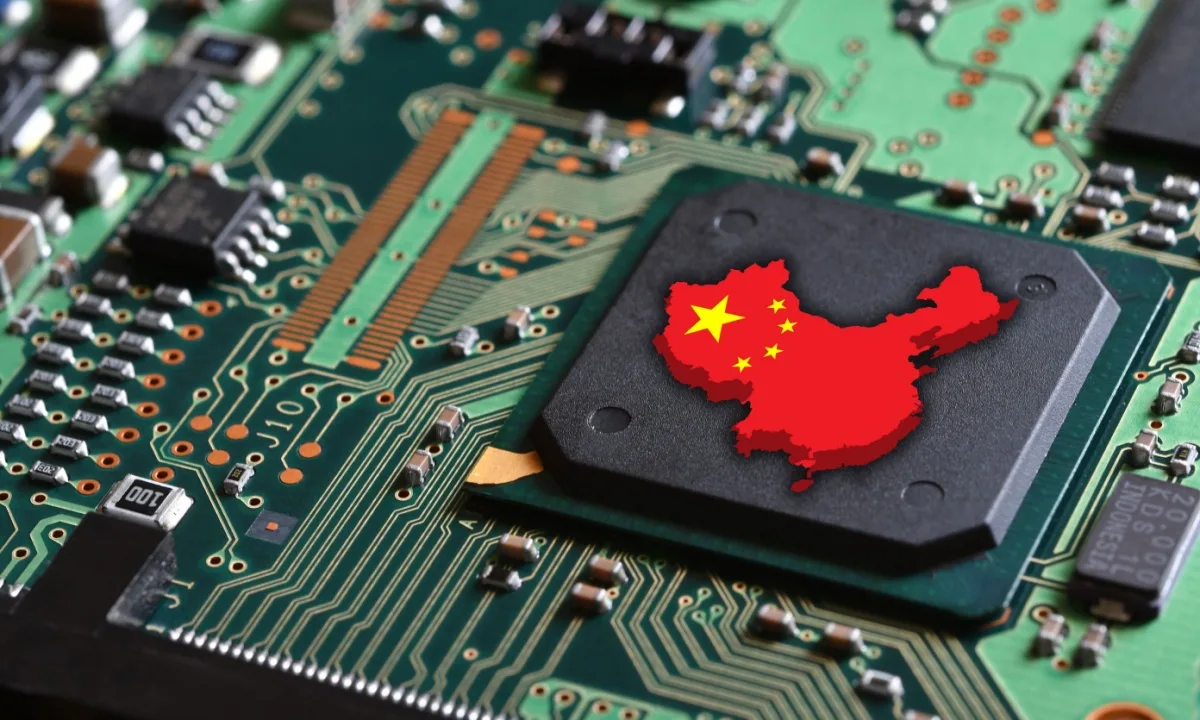
China is moving toward imposing restrictions that could block foreign access to its most sophisticated artificial intelligence models, including some that have yet to be released, according to sources cited by Reuters. These actions come as Beijing increasingly views advanced AI technologies as strategic assets that need to be safeguarded within its borders.
Officials from China’s Ministry of Commerce have engaged with major local tech companies such as Alibaba and ByteDance to explore imposing limits on both open-source and proprietary versions of cutting-edge AI models. Discussions also included the possibility of criminalizing the unauthorized leak or theft of AI technologies under China’s national security law, reflecting a broader push to bolster controls on emerging AI developments.

Concurrently, Alibaba has banned its employees from using AI tools developed by the U.S. startup Anthropic. According to CNBC, Anthropic’s Claude Code has been classified as high-risk software, prompting Alibaba to require staff to uninstall these external AI products in favor of its own Qoder AI assistant. This move follows allegations from Anthropic that Alibaba engaged in illicit attempts to extract proprietary AI capabilities, described as the largest known “distillation attack” on the startup.
Beyond access restrictions, China is preparing to regulate AI chatbots that simulate human emotions. New rules slated to take effect mid-July have already led firms like ByteDance and Alibaba to disable features allowing users to create and interact with AI companions. Authorities are concerned about the psychological impact of emotionally responsive chatbots, especially the risk of users forming harmful emotional dependencies.
These developments underscore the growing global trend where major powers treat frontier AI systems as critical technological assets with national security implications. The U.S. has similarly intensified scrutiny of AI platforms amid legal challenges linked to emotional and psychological risks posed by AI chatbots.