

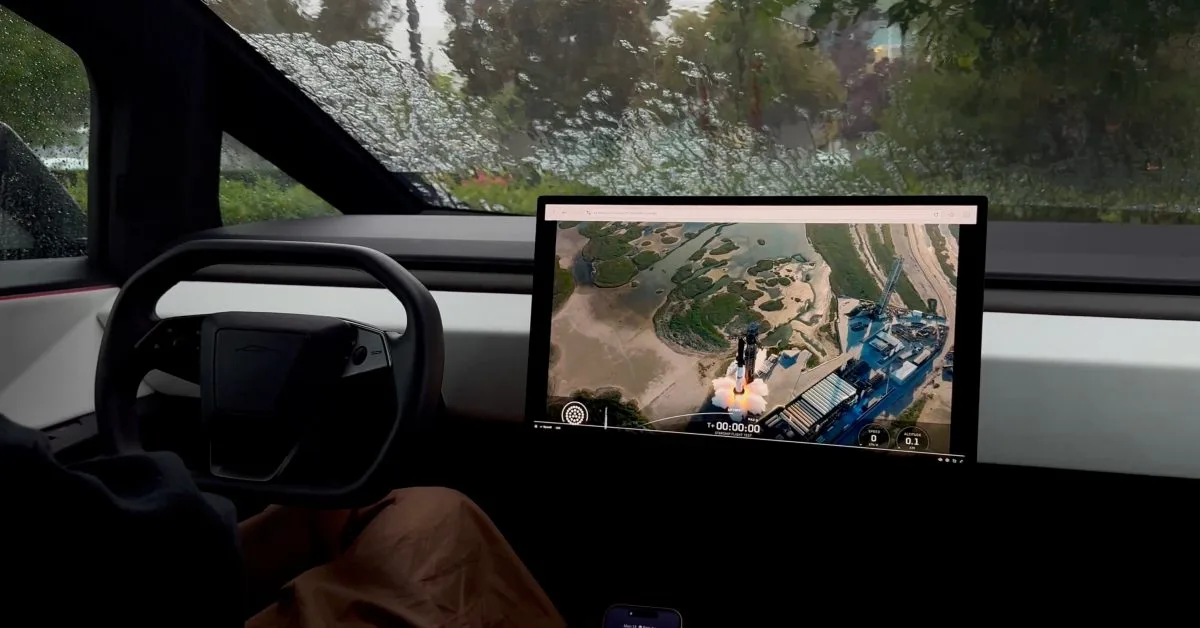
China will compel automakers to integrate physical buttons for critical safety-related vehicle functions, marking a significant shift away from the touchscreen-centric designs popularized by Tesla and widely adopted by many electric vehicle manufacturers. This mandate targets 19 specific functions, emphasizing usability and safety over minimalist digital interfaces.
The new regulations, finalized recently and effective from July 1, 2027, require certain controls such as turn signals, hazard lights, horn, gear shifters, driver assist systems, windshield wipers, and emergency call systems to have dedicated physical buttons or switches. Chinese authorities stress that these features must remain easily accessible to drivers, even if touchscreen systems malfunction, since they directly impact driver safety.

This policy follows earlier measures by Chinese regulators aimed at enhancing vehicle safety, such as banning hidden door handles starting January of the current year. Automakers must comply within a relatively short timeline, signaling China's intent to swiftly address growing concerns over touchscreen limitations like lag, distraction, or failure during operation.
Since Tesla pioneered the touchscreen-focused interface starting with its Model S prototype, many manufacturers—especially new Chinese EV startups—have mirrored this approach, placing numerous vehicle controls behind centralized displays. While this design offers sleek cabin aesthetics and facilitates over-the-air updates, it has drawn criticism for increasing driver distraction and complicating access to vital controls.
The Chinese government's stance highlights a broader reconsideration of vehicle interface design, prioritizing direct physical access for safety functions. Whether these regulations will influence automakers and regulators beyond China remains uncertain, but Chinese EV exporters might adapt their models accordingly to meet both domestic and international standards.