

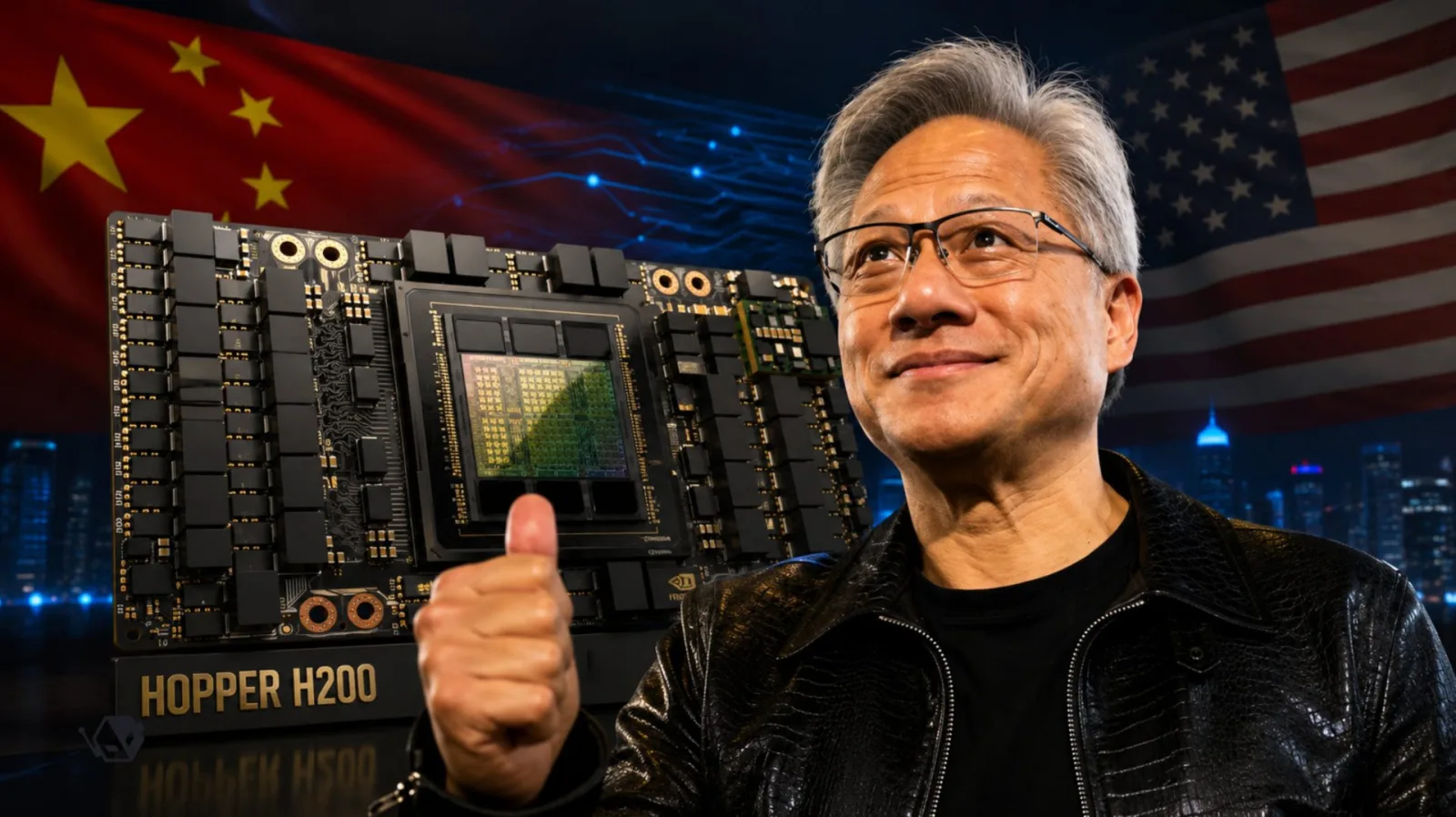
After previously banning the purchase of NVIDIA’s China-specific H200 AI GPUs, the Chinese government is reportedly reconsidering its stance and might allow select domestic firms to buy limited quantities of these chips. This potential policy shift comes in response to constraints imposed by US export controls that have hindered China’s access to advanced semiconductor technologies vital for artificial intelligence development.
According to sources cited by The Information, the number of H200 chips permitted for sale to Chinese companies could be capped at approximately 200,000 units. This figure is reportedly less than half of what local tech giants, including Alibaba, ByteDance, and DeepSeek, have requested. The Chinese government remains in discussions about finalizing these limits, reflecting a cautious approach as it balances technological advancement with geopolitical pressures.

These developments follow broader concerns within China regarding AI capabilities. Earlier reports indicated that Beijing has imposed curbs on the development of advanced AI models amid worries about foreign technologies, such as Anthropic’s Mythos cybersecurity tools, and social media restrictions exemplified by blocking Meta Platforms from acquiring local firms. NVIDIA’s H200 GPUs comply with US export laws but had been restricted by China’s own measures following US sanctions.
NVIDIA’s CEO, Jensen Huang, confirmed in interviews that the company secured Chinese regulatory approval to sell chips domestically, though initial financial forecasts excluded revenue from China due to uncertainty. NVIDIA is currently moving beyond the H200, with the Hopper-generation GPU being succeeded by the Rubin chips scheduled for shipment this fall, followed by Rubin Ultra GPUs set for 2027, although some Rubin Ultra shipments might face delays until 2028 due to production issues.
If finalized, the move to allow limited NVIDIA chip sales within China could ease some pressures on domestic AI development while maintaining regulatory restrictions consistent with geopolitical dynamics. However, the capped volumes suggest cautious optimism rather than a full reopening of the market to the latest US semiconductor technology.