

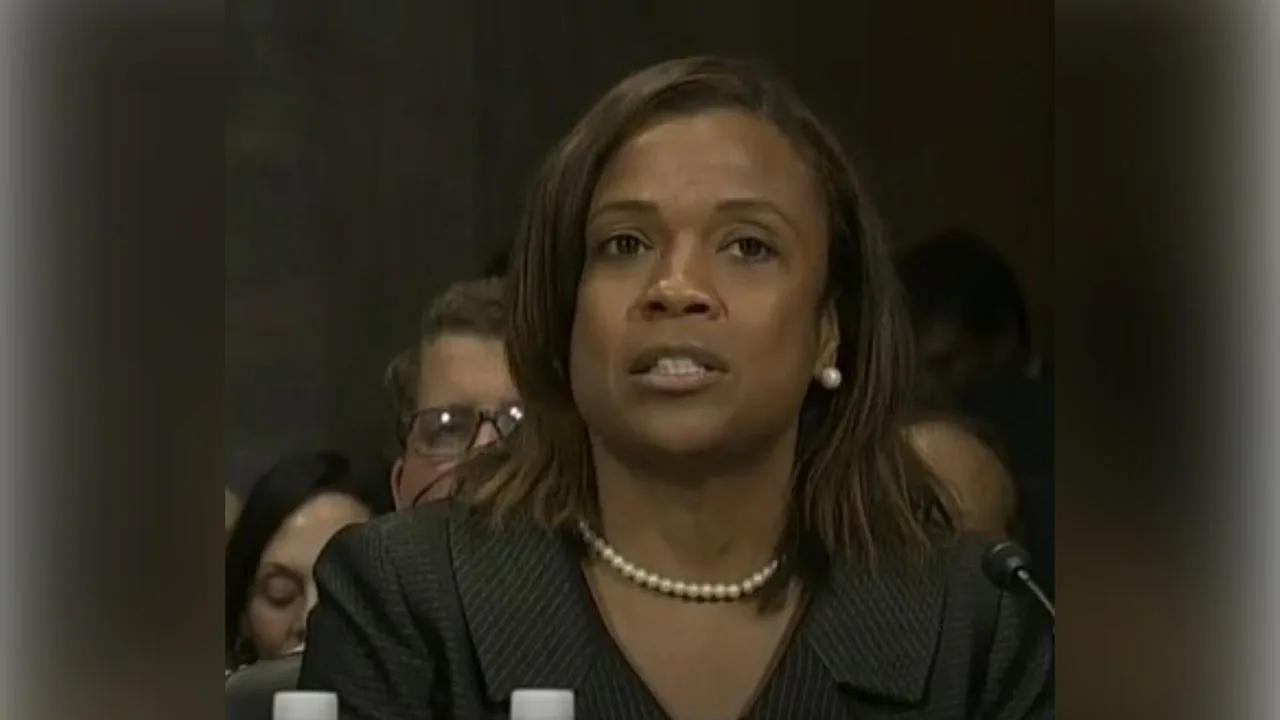
The U.S. Department of Justice formally requested that Judge Eleanor Ross step aside from a high-profile federal election records case in Georgia due to her alleged attendance at a politically charged victory party. Court documents reveal the motion to disqualify stems from a recent judicial reprimand concerning her conduct at the event.
According to filings submitted to the U.S. District Court for the Northern District of Georgia, federal prosecutors rely on a December 2025 report by the Judicial Council of the Eleventh Circuit. The report described an unnamed judge who attended a celebratory gathering for a district attorney campaign, passed through an area covered with political signage, and later admitted to staff that she had consumed multiple martinis. This behavior led to a private reprimand, and the judge agreed to several sanctions, including abstaining from leadership roles and committee assignments. Although the judge was not named in the report, recent media and legal analysis have identified her as Judge Ross.

The DOJ’s memorandum ties the "Subject Judge" to Ross through circumstantial evidence. The timing of the event coincided with the commencement of summer internships in Georgia, matching Ross’s schedule. Moreover, the day following the party, the judge presided over a criminal proceeding on a matter perfectly aligned with Ross’s known docket. The political celebration honored Fulton County District Attorney Fani Willis, known nationally for her role in prosecuting a high-profile election interference case involving former President Donald Trump—a prosecution later dismissed after appellate intervention.
Another element raising concern is Judge Ross’s previous tenure as an assistant district attorney in Fulton County, where she worked alongside Willis. Federal prosecutors argue that Ross’s participation in the partisan event compromises the perceived impartiality essential to judicial proceedings, particularly in sensitive election-related litigation. This move to disqualify underscores ongoing scrutiny over judicial conduct intersecting with political activity.