

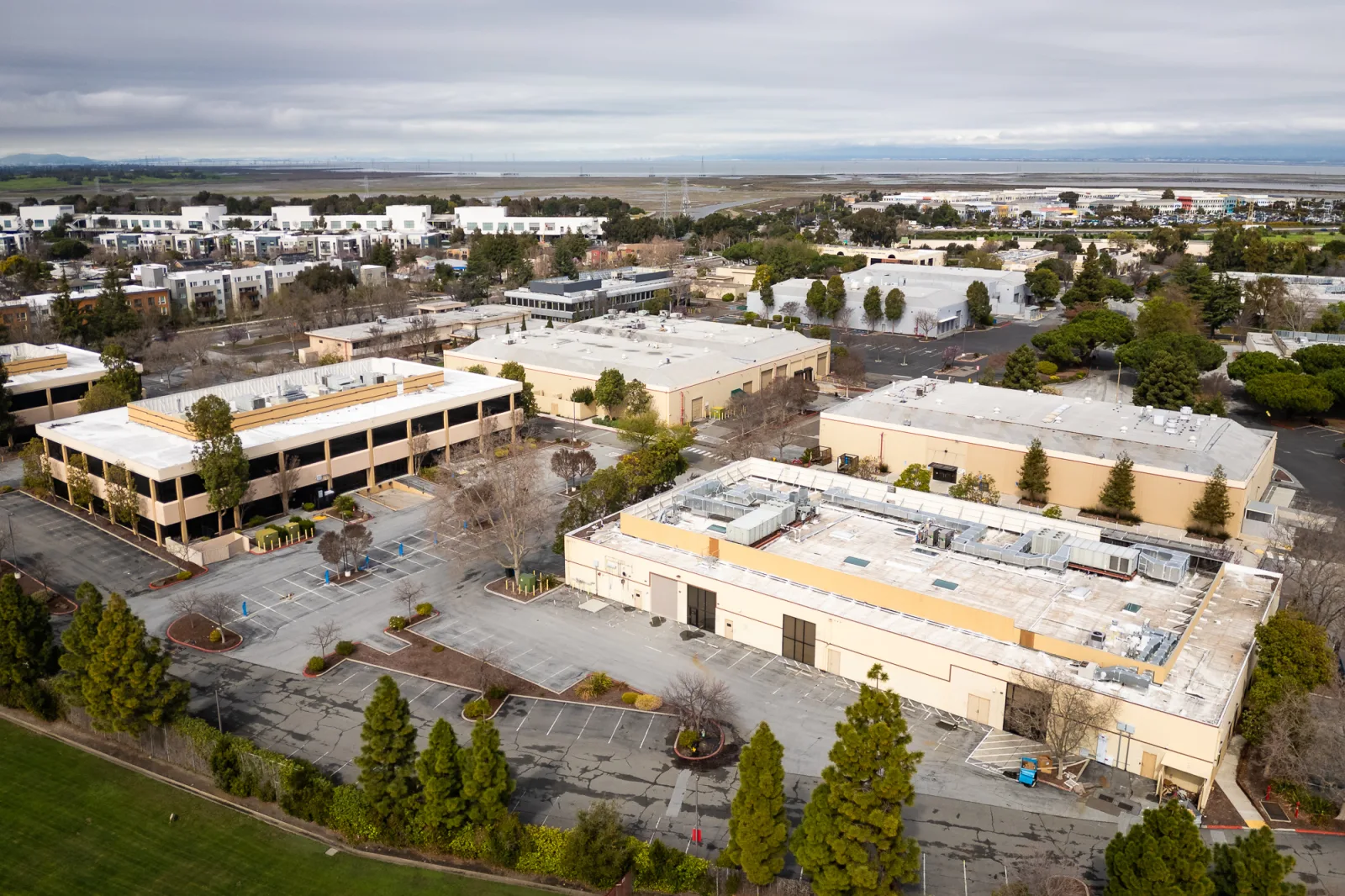
Meta has put its ambitious $3.5 billion Willow Village development on hold, shelving plans that promised to bring a range of new amenities and housing to Menlo Park’s Belle Haven neighborhood. The halt stalls enhancements aimed at delivering a grocery store, pharmacy, bank, and nearly 2,000 residences to an area that currently lacks many basic services.
For decades, Belle Haven residents like Peter Adams have lived without essential facilities such as a full-service grocery store and pharmacy, with limited dining options and only one gas station. Willow Village had been designed as a mixed-use project combining office space, residential units, and retail to improve the quality of life in the historically underserved community adjacent to Meta’s headquarters.

The development agreement signed with the city in 2022 envisioned large office buildings, 1,730 homes, and retail outlets including a movie theater and restaurants. These improvements were expected to address longstanding gaps in local infrastructure and support community growth. Instead, Meta announced that changing real estate market conditions and evolving space needs have made the project unfeasible for now, leading to an indefinite pause.
Meta’s public relations representatives and the project’s developer, Signature Development Group, have remained largely silent beyond the official statement citing market shifts. Menlo Park’s mayor expressed disappointment at the news, which arrived unexpectedly shortly before the formal announcement.
The decision reflects broader pressures on Silicon Valley firms as they refocus capital and space priorities amid intense competition in the artificial intelligence sector. Experts note that while corporate investments in community projects can benefit neighborhoods, these actions ultimately depend on shareholder value considerations. Meta’s pivot underscores the challenges companies face balancing ambitious urban development with dynamic corporate strategies and market demands.