

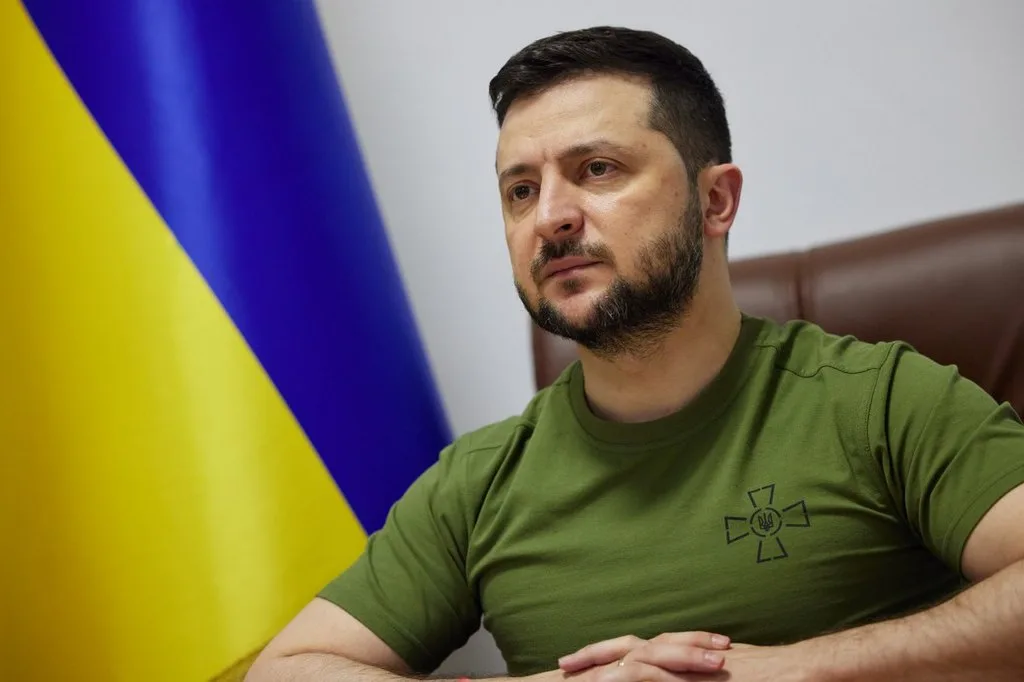
Ukraine and Russia have committed to a temporary three-day ceasefire, coupled with an agreement to exchange prisoners of war, in a move aimed at de-escalating the longstanding conflict. Ukrainian President Volodymyr Zelenskiy announced that each side will release 1,000 prisoners, marking one of the largest such exchanges since hostilities began more than four years ago.
This ceasefire and prisoner swap come amid sustained diplomatic efforts guided by the United States, which seeks to foster dialogue and reduce violence between the two nations. The short cessation of hostilities is designed to open a narrow window to advance humanitarian operations and negotiations, although detailed terms of the agreement have yet to be disclosed by officials.

The conflict has inflicted heavy human and geopolitical tolls, displacing millions and destabilizing the broader European region. The prisoner swap is regarded as a humanitarian gesture that could help build trust and lay groundwork for future peace discussions, despite unresolved political and territorial disputes underpinning the war.
International observers view this development as a potential turning point, reflecting tentative cooperation amid ongoing hostilities. Still, analysts caution that the temporary nature of the ceasefire means it does not guarantee a sustained resolution to the conflict. Global leaders continue to monitor how both governments implement the deal and whether it will facilitate further diplomatic breakthroughs.