

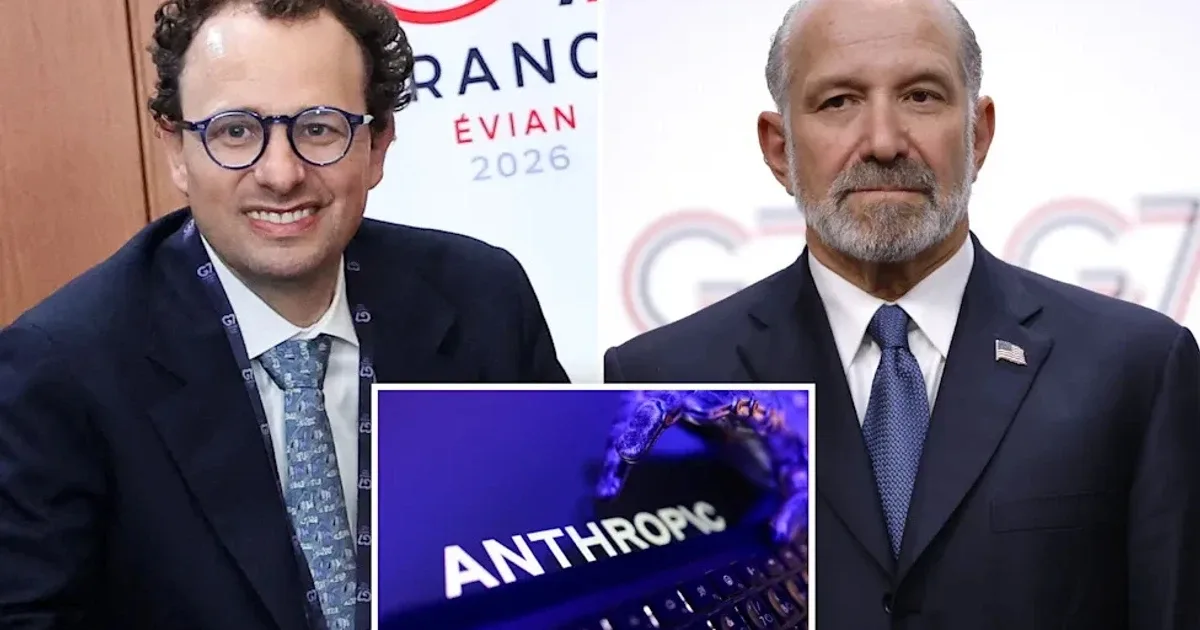
The U.S. government has partially reversed its earlier ban on Anthropic’s Mythos 5 artificial intelligence model, reinstating access for approximately 100 domestic organizations under tight oversight. The rollback ends a prior export-control order that prohibited both Mythos 5 and its related model Fable 5 from being used by foreign nationals, including employees within U.S. companies.
This policy adjustment frames AI access as a national security issue rather than a standard market release, reflecting concern over the model’s capabilities and potential misuse. Commerce Secretary Howard Lutnick confirmed that the government identified adequate safeguards, permitting “trusted partners” to deploy the model while maintaining a controlled distribution through a narrowed trust list.

Under the updated terms, the lifted restrictions explicitly exempt U.S. entities named in a government annex and their foreign-national employees, as well as Anthropic’s foreign-national personnel, from needing export licenses. This marks a significant shift from the initial broad prohibition implemented in June, which sought to limit access due to fears of foreign military intelligence exploitation. These concerns primarily focused on countries considered national security threats, including China and Russia.
Anthropic responded swiftly to the government’s notification, working to restore Mythos 5 access to companies safeguarding critical infrastructure. The move follows heightened scrutiny after the company revealed in April that its Mythos Preview platform could identify previously unknown security vulnerabilities across major operating systems and browsers. The ability to uncover such zero-day exploits raised alarms about the model’s dual-use potential in cyber defense and offense.
The company priced Mythos 5 alongside Fable 5, setting costs per million input and output tokens while positioning Mythos 5 as an advanced tool for cybersecurity specialists and infrastructure operators. This controlled release has prompted debate about government involvement in AI deployment decisions. Critics from free speech and civil liberties groups question the appropriateness of selecting customers based on security criteria, while industry leaders, including OpenAI’s CEO, have expressed discomfort with governmental gatekeeping of AI technologies.