

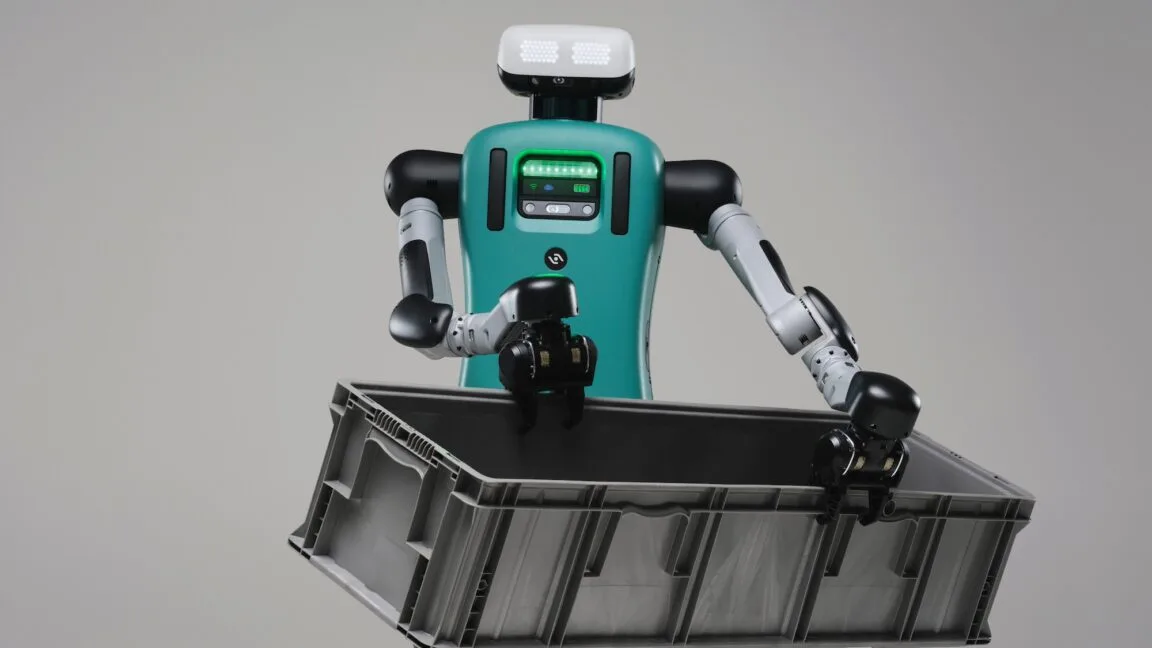
Robotics is on the cusp of a transformative leap, as breakthroughs in artificial intelligence pave the way for robots capable of performing a broad range of tasks without human intervention. The ambition to create general-purpose autonomous robots—machines that can independently navigate complex settings and complete sequences of activities—has shifted from a distant aspiration to a rapidly advancing reality.
Historically, robotics has focused narrowly on tasks like simple navigation or balance. Early efforts, such as the 1979 Stanford Cart, required hours to traverse short distances, and the first bipedal robot capable of walking without falling emerged only in the mid-1990s. Today, the definition of robot autonomy encompasses completing intended tasks using sensory input and decision-making without needing human oversight.

Recent strides in AI, including reinforcement learning and the rise of large-scale foundational models trained on extensive datasets, have expanded robots' capacity to understand and execute long task sequences. This leap enables robots to anticipate, adapt, and respond flexibly in unpredictable environments, broadening their potential applications beyond repetitive or narrowly defined jobs.
Leading robotics companies and research laboratories are actively competing to develop these versatile machines. While much investment targets humanoid robots, the future of autonomous robotics is not restricted to human-like forms. Instead, robots designed for specific roles in warehouses, factories, or homes may differ widely in appearance and function but share the core trait of operational independence.
Examples already surface in industrial settings, where humanoid robots like Agility Robotics’ Digit navigate factory floors performing logistics tasks. More advanced AI integration aims to enhance these robots’ decision-making, enabling them to manage complex workflows and human-robot collaboration with minimal supervision.
The realization of such technology could redefine labor in both workplaces and domestic environments by augmenting human efforts or autonomously handling chores, deliveries, and routine maintenance. The ongoing convergence of AI and robotics thus signals a future where autonomous machines become tangible assistants, extending human capability in everyday life and industry.