

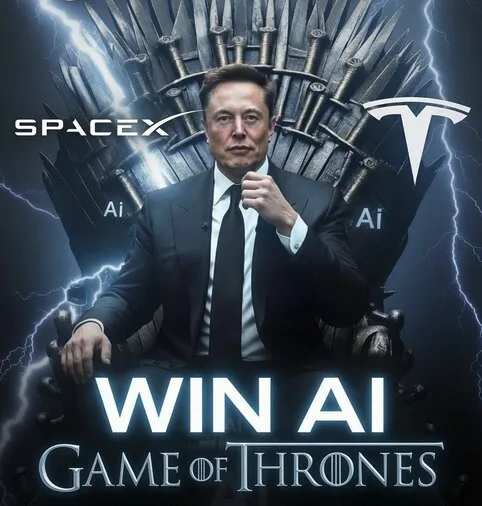
Elon Musk’s companies are aggressively expanding their energy infrastructure to strengthen their position in the high-stakes AI race. SpaceX and Tesla are prioritizing immediate growth in power capacity by adding gigawatts of energy through strategic turbine deployments, signaling a concentrated effort to accelerate AI development without delay.
SpaceX is set to increase energy output significantly via APR Energy, a firm that specializes in mobile and modular power plants. The plan involves scaling up APR’s installed capacity by several gigawatts annually, with realistic projections of adding between 3 and 5 gigawatts per year. This growth relies heavily on procuring turbines from major suppliers such as General Electric and Mitsubishi, with existing contracts supporting an output of about 6 gigawatts over the next three years.

APR Energy currently operates a fleet totaling just over 1.1 gigawatts as of early 2026, recently expanded by adding eight turbines equivalent to around 250 megawatts. Each turbine typically ranges between 30 and 35 megawatts. The company’s capacity to scale hinges on the supply and lead times of these turbines rather than assembly, allowing for doubling the fleet under favorable conditions, as seen during past acquisitions including GE’s power rental business.
This energy expansion aligns with Musk’s vision of merging Tesla’s and SpaceX’s technologies to focus on AI-driven innovation, emphasizing the vast financial and strategic opportunities that artificial intelligence offers over other ventures like robotaxis. The drive to integrate renewable energy and advanced turbine technology reflects the urgency to harness substantial power sources that can fuel AI research and deployment on an unprecedented scale.
Alongside turbine procurement from GE and Mitsubishi, contracts with Doosan Energy provide twelve 380-megawatt natural gas turbines, augmented by smaller mobile turbines from Caterpillar’s joint venture with SpaceX’s AI efforts. APR Energy’s role is to integrate these turbines into turnkey, mobile power plants that can be rapidly deployed where needed.
The growing capacity not only supports the operational demands of AI projects but also positions SpaceX and Tesla at the forefront of energy innovation critical for future technological breakthroughs. This strategic move underscores the escalating competition in AI development, where energy availability and infrastructure agility will likely be decisive factors in determining market leadership.