

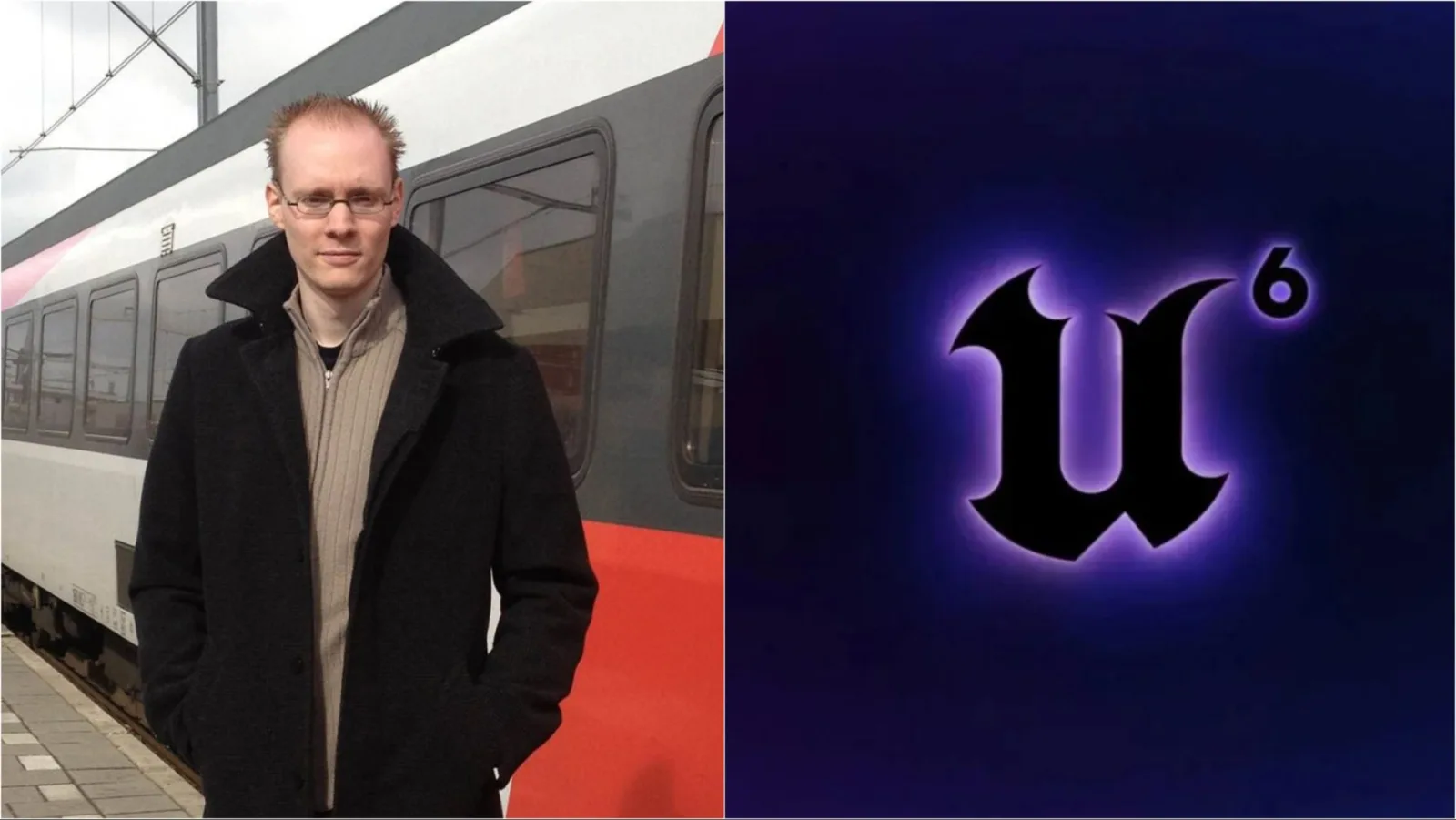
Sjoerd “Hourences” de Jong, a prominent figure in level design and long-time contributor to Epic Games, announced his departure following 12 years with the company. His exit coincides with Epic’s unveiling of Unreal Engine 6, which marks a significant shift towards integrating artificial intelligence into game development workflows.
De Jong’s career has been deeply intertwined with the Unreal Engine’s evolution, beginning with its earliest versions and continuing through Unreal Engine 4 and 5. He authored influential works on level design and was responsible for creating iconic maps like DM-Rankin in Unreal Tournament 2004. Over the years, he supported millions of developers worldwide by visiting studios and delivering countless presentations on design principles and engine capabilities.

Epic Games has confirmed that Unreal Engine 5.8 will be the final substantial update to the current engine generation before transitioning to Unreal Engine 6. This forthcoming iteration will emphasize integration with AI frameworks, including Claude and Gemini, as well as UEFN—a platform that introduces new development paradigms. The update also signals the eventual phase-out of longtime staples like the Blueprints visual scripting system and the Actors framework.
These changes have triggered widespread discussions about AI’s expanding role in game creation, fueling apprehension within the developer community that human craftsmanship could be overshadowed. While Epic has tried to reassure stakeholders that AI will augment rather than replace human creativity, De Jong’s departure suggests a deeper tension at play. He described the industry as standing at a crossroads where traditional methods clash with emergent technology-driven approaches.
Despite his affinity for classic, handcrafted level design, De Jong expressed a forward-looking stance. He acknowledged that embracing AI’s evolving role will be crucial for adapting to future challenges and opportunities in game development. Though specifics about his next steps remain undisclosed, his exit reflects the broader shifts reverberating through the field as AI becomes central to the Unreal Engine ecosystem.