

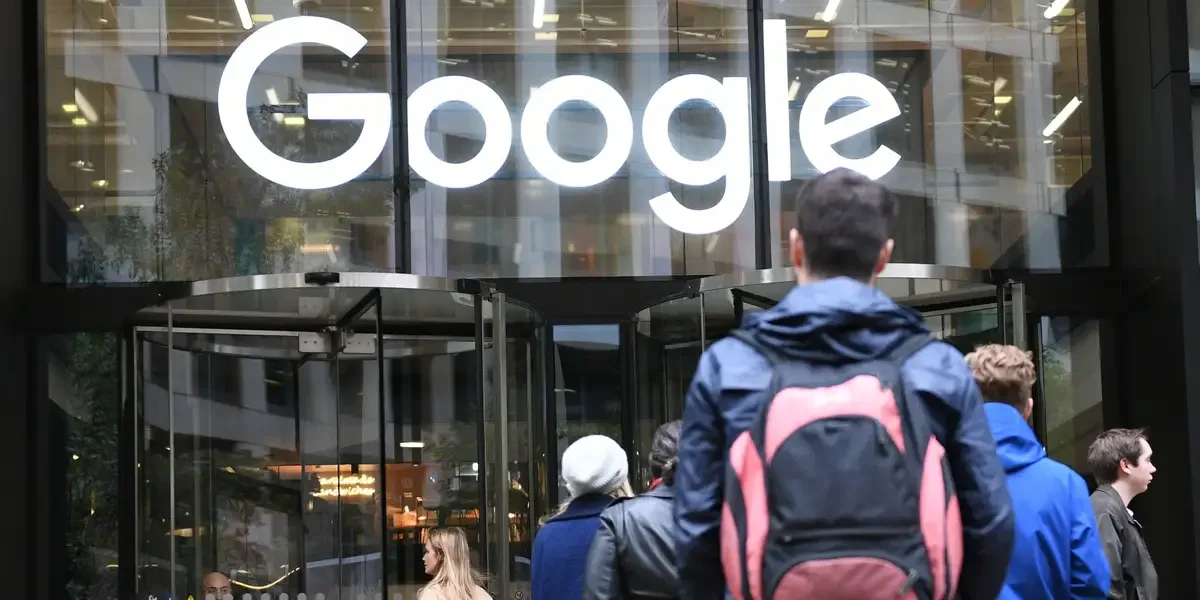
Google no longer holds its once-unshakable spot as the ideal tech employer, as the surge in AI innovation creates new, enticing opportunities outside traditional Big Tech. While the company still offers high salaries, the prospect of substantial equity stakes at emerging AI firms is drawing employees away. Yousuf Imran, a former Google account executive who earned nearly $1 million in 2026, cited the “life-changing money” potential at startups like OpenAI and Anthropic as a key factor in his decision to leave and start his own AI sales tools company.
Beyond the AI-driven talent migration, Google’s recent series of workforce reductions and organizational changes have heightened employee concerns about long-term job security. Although layoffs were rare in the company’s early years, the 2023 cuts eliminated roughly 6% of its workforce, followed by additional smaller layoffs and voluntary buyouts as Google reshaped its business around AI priorities and streamlined management layers. These shifts have prompted many employees to reassess the safety and stability of their careers at the tech giant.

Google’s image as a workplace has evolved considerably. Once a perennial favorite among business students, the company slipped to second place behind Apple in 2022 according to Universum, a firm specializing in employer branding. In the US, Google dropped from the most preferred employer for business students in 2023 to fifth place, although it remains popular with IT students. Employees like Joslyn Orgill, who experienced layoffs early in her tenure as a data engineer, have cited these changes as reasons for moving on—Orgill chose to leave to pursue further education.
The allure of Google’s once-iconic perks and sprawling campuses still exists, but for many, it no longer offsets the appeal of agile startups fueled by AI innovation and generous equity offerings. The AI boom not only challenges Google’s dominance in product development but also disrupts its talent retention as employees pursue entrepreneurial paths with higher financial upside and perceived job security risks mitigated.