

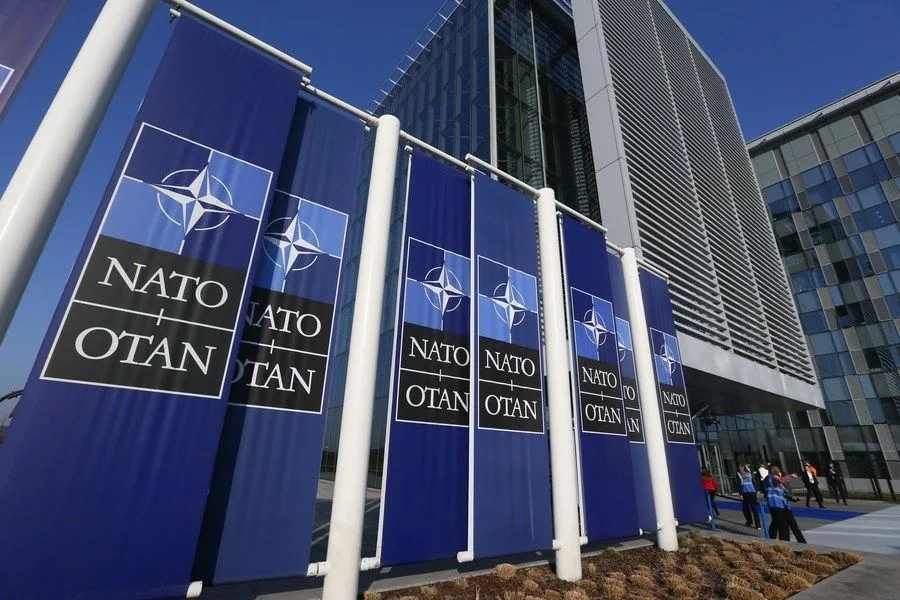
NATO enters its upcoming summit in Ankara under mounting pressure as internal disagreements over strategic priorities and defense commitments threaten the alliance’s cohesion. While member states continue to pledge unity, friction over military involvement and financial obligations has surfaced sharply, challenging NATO’s long-term purpose and solidarity.
The recent US-led military strikes against Iran have highlighted these fault lines. Despite political backing for Washington’s goal to prevent Iran from advancing nuclear capabilities, European allies have refrained from direct military participation, including deploying naval forces to secure the Strait of Hormuz. This hesitation drew criticism from the US administration, which accused European countries of relying disproportionately on American protection without assuming comparable risks.

According to experts focusing on Middle Eastern affairs and NATO policy, differing regional outlooks and past experiences inform European reluctance. The threat of Iranian retaliation, potential disruption of energy flows, and rising migration concerns weigh heavily on European capitals. Previous military engagements in Iraq, Afghanistan, and Libya have made many governments cautious about unilateral or American-led interventions lacking broad international consensus and clear exit strategies.
Beyond military operations, defense spending remains a contentious subject at the summit. Member states reaffirmed a commitment at the previous NATO summit in The Hague to raise defense budgets to 5 percent of their gross domestic product by 2035. This target is a cornerstone of the so-called “NATO 3.0” strategy advocated by the Trump administration, which seeks to rebalance defense responsibilities more heavily toward European members.
However, skepticism persists over whether all European countries can realistically meet this ambitious goal. Analysts suggest many accepted the target more to appease Washington than out of confidence in their capacity to deliver such increases. Concerns linger about whether some states prioritize short-term political considerations over substantive defense enhancements, leaving NATO’s future effectiveness in question.
The Ankara summit will also grapple with NATO’s broader identity and mission amid rising public criticism across Europe. With varying national interests and domestic challenges, sustaining alliance cohesion remains a complex task. The diverse perspectives on military intervention, financial commitments, and strategic direction underscore the difficulties NATO faces as it seeks to adapt to evolving global threats and internal divisions.