

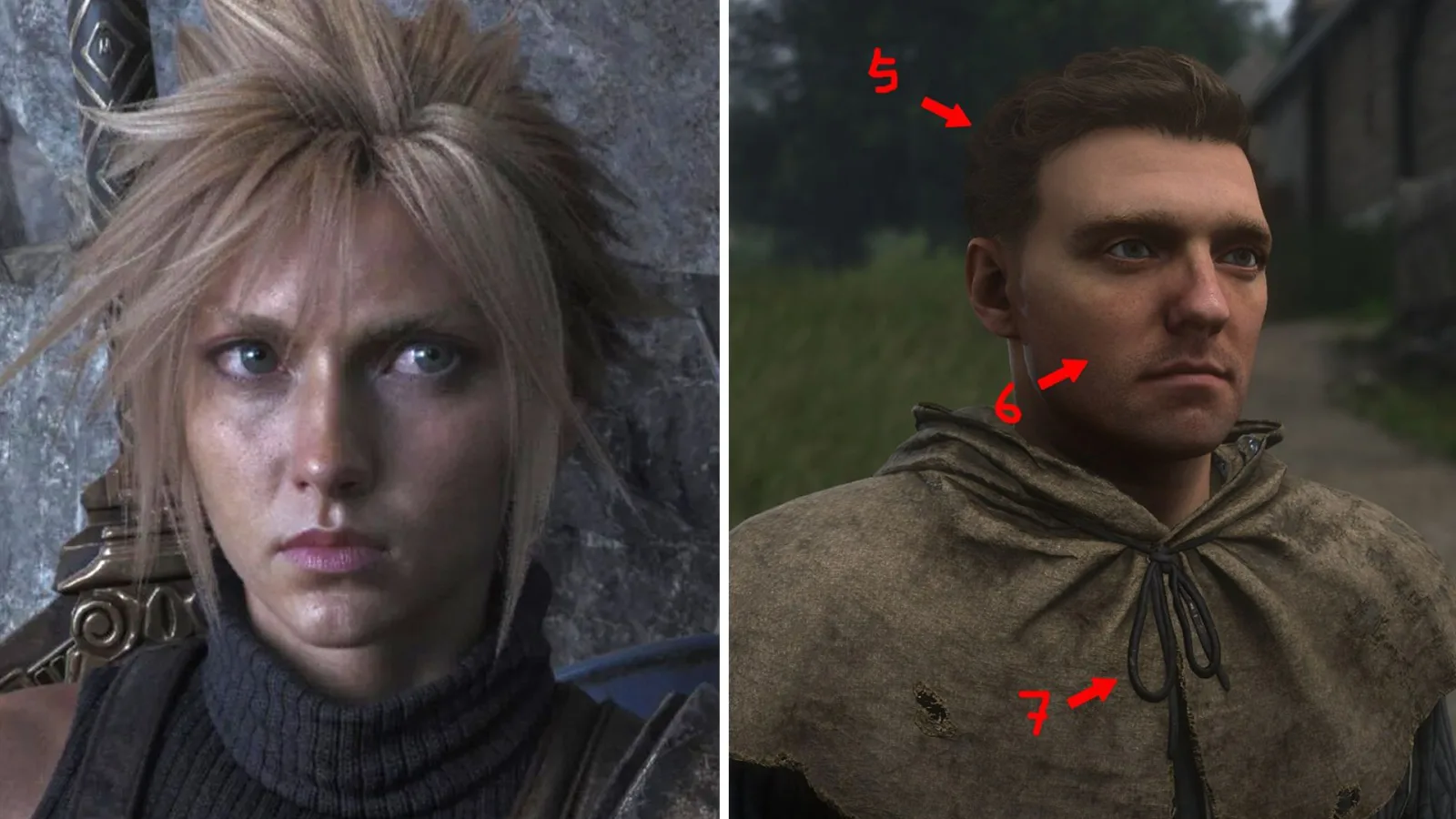
Nvidia’s next-generation Deep Learning Super Sampling technology, DLSS 5, attracted sharp criticism after an early, unfinished version was leaked via a pre-release build of NBA 2K27. Gamers and modders who tested the premature release noted visual inconsistencies and performance issues, prompting a wave of skepticism about the tech’s readiness.
Despite the backlash, experts highlight that the leak does not reflect the final state of DLSS 5. This new iteration builds on Nvidia’s neural rendering technology, aiming to elevate game visuals closer to the original artistic intent while improving performance on supported GPUs. The leaked version lacked many final optimizations and key features still under development.

DLSS, short for Deep Learning Super Sampling, is an Nvidia AI-driven technique that reconstructs high-resolution images from lower-resolution inputs using neural networks. Earlier versions, such as DLSS 2.x, have helped games achieve better frame rates without sacrificing image quality. DLSS 5 promises to further refine this by enhancing detail, reducing artifacts, and more accurately reproducing textures and lighting effects true to developers’ originals.
The early build released through the leak revealed notable flaws, including texture smudging, flickering, and jagged edges, leading to wide user disappointment. However, Nvidia has not officially launched DLSS 5 and is expected to release patches addressing these issues. Industry analysts caution against forming judgments based on incomplete software, as performance spikes and image fidelity often improve substantially ahead of official releases.
Gamers’ initial response underscores the challenges neural rendering faces in bridging AI enhancement with artistic fidelity. DLSS 5 aims to make games look as close as possible to how creators envision, supporting higher frame rates and smoother gameplay, especially on high-end GPUs. Its success will depend on balancing real-time rendering speeds with how well AI models can learn and replicate complex visual patterns.
As Nvidia prepares the official rollout, developers and users await more polished demonstrations. The controversy surrounding the leaked build serves as a reminder that cutting-edge AI technologies undergo extensive tuning before wide adoption, and early previews may not represent their true potential.